Blue Lagoon Dahab
Blue Lagoon Dahab is a remote turquoise lagoon north of Dahab, known for shallow water, kitesurfing, Bedouin camps, and raw Sinai desert scenery.


Plan your visit
- Opening hours
- Blue Lagoon Dahab is an open natural area rather than a fixed-hours attraction. Visits depend on local transport, camp arrangements, weather, sea conditions, and daylight. Most travellers go during the day; overnight stays should be arranged in advance with a local camp or operator.
- Best time
- The best time to visit Blue Lagoon Dahab is on a clear, settled day when wind and sea conditions match your plans. Spring and autumn are often comfortable for beach time, while summer can be very hot and winter evenings can feel cool and windy. Kitesurfers should choose timing based on current wind forecasts and local instructor advice.
- Visit duration
- Allow at least half a day, and preferably a full day, because transport and access take time. If you want to kitesurf, relax, photograph the lagoon, and avoid rushing the return, a full-day plan works best. Overnight stays are possible through simple local camps when arranged ahead.
- Category
- Red Sea & Water Activities
- Location
About
What Blue Lagoon Dahab is like
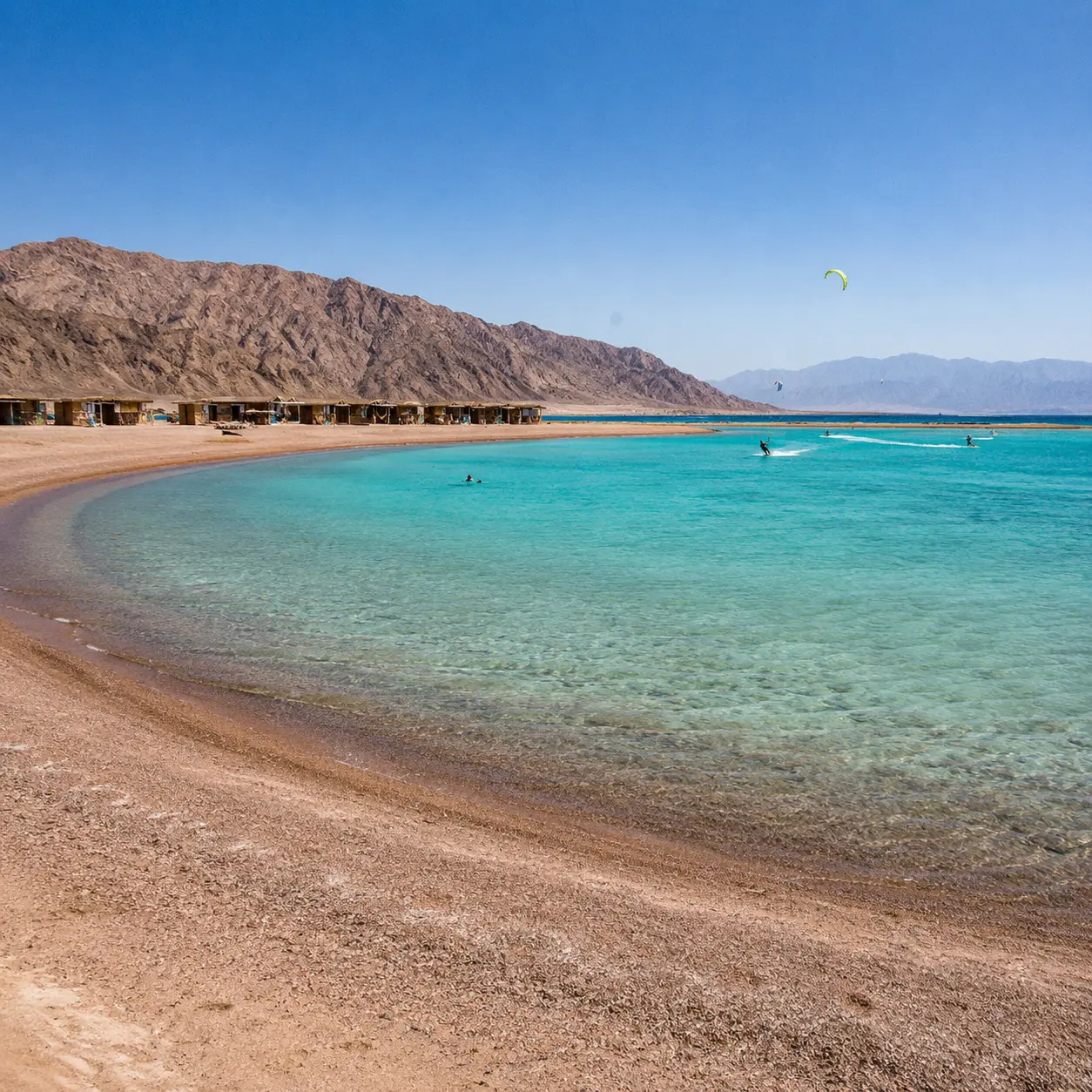
Blue Lagoon Dahab is a remote, shallow saltwater lagoon on the Gulf of Aqaba coast north of Dahab. It is known for flat turquoise water, steady wind, simple Bedouin camps, and a quiet desert setting where the Sinai mountains drop almost straight into the sea.
The lagoon is not a polished beach club. Expect sand, wind, basic facilities, and a slower rhythm. That is the point. You come here to swim in clear water, watch kites cut across the bay, drink tea in a beach hut, and feel the desert go silent after sunset.
Why travelers go
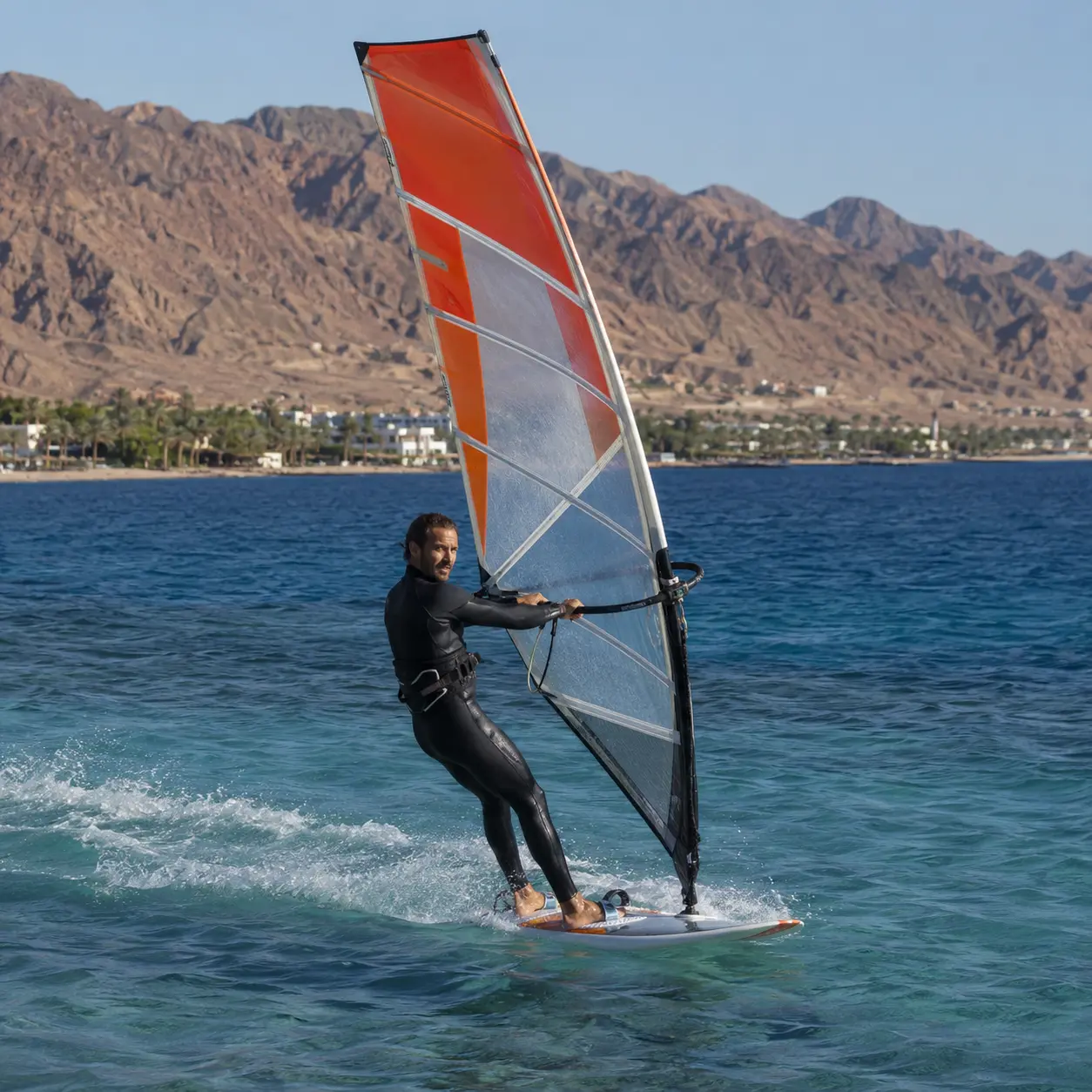
Blue Lagoon is one of Dahab’s best-known spots for kitesurfing and wind-based water sports because the water is usually shallow and protected compared with the open sea. On calm days it is also a beautiful place for floating, photography, and low-key beach time. The color shift is part of the drama: pale aqua near the shore, deeper blue further out, and dusty rose mountains behind it in the late afternoon.
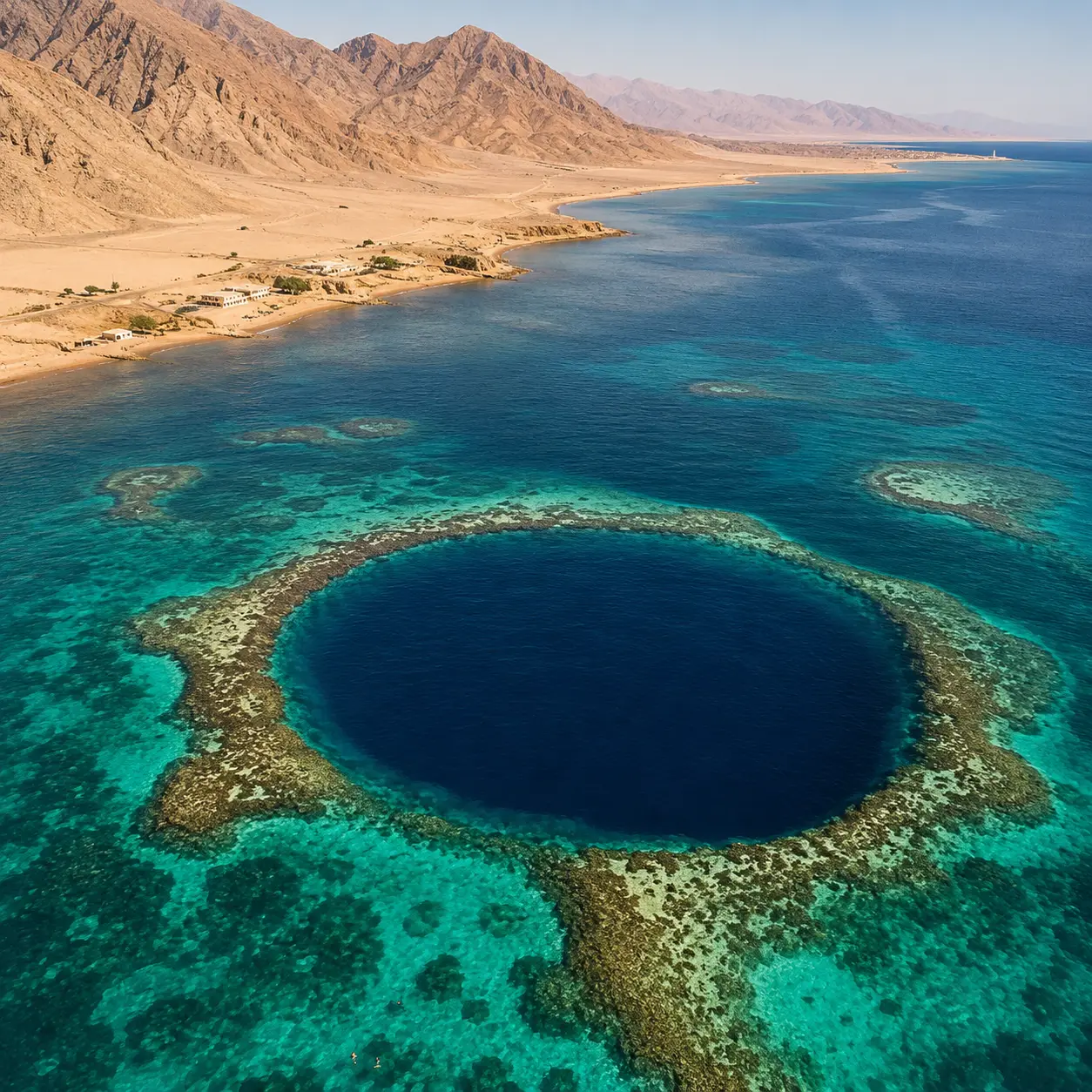
Many visitors combine Blue Lagoon with Abu Galum or the Blue Hole area, depending on weather, route conditions, and time. If your Egypt route is focused on the Red Sea, it pairs naturally with a few days in Dahab; see Ozes’ Dahab travel options for trip planning context.
Getting there and what to expect
Blue Lagoon is reached by local transport rather than a simple city taxi drop-off. Travelers usually arrange the journey through a Dahab operator, a Bedouin camp, or a guided day trip. Routes can involve a mix of vehicle, boat, camel, or coastal track depending on sea conditions, protected-area access, and local arrangements.
Do not treat it like a quick urban beach visit. Bring what you need for the day: water, sun protection, swimwear, a towel, cash, and any personal medication. Phone signal and card payment should not be relied on. Facilities are usually simple, with beach huts or camps rather than resort-style changing rooms.
Kitesurfing at Blue Lagoon Dahab
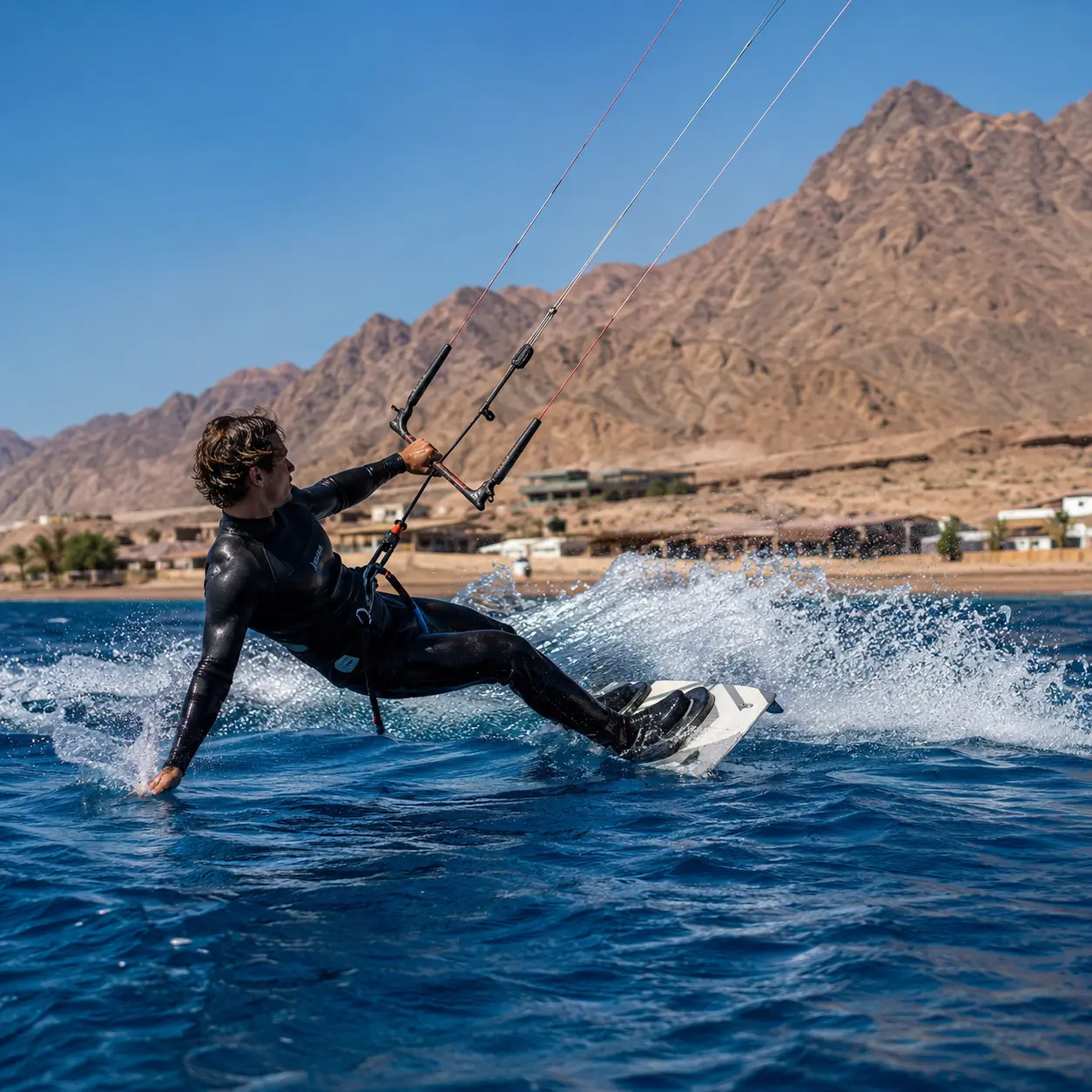
Blue Lagoon is a strong choice for experienced kite surfers and for learners who book with a reputable instructor. The appeal is the flat, shallow water and open space, but wind strength changes quickly and safety depends on proper supervision, equipment, and local knowledge.
If you are new to kitesurfing, book a lesson rather than trying to improvise. If you are experienced, still check current wind, entry points, and any local rules before launching. The lagoon is shared by swimmers, learners, and camp boats, so awareness matters.
How it compares with other Red Sea stops
Blue Lagoon Dahab is about atmosphere as much as water. It feels more stripped-back than the resort beaches of Sharm El Sheikh and more remote than many Hurghada islands. Travelers who want reefs, national-park scenery, and boat-based snorkeling may also compare it with Ras Mohammed’s marine landscapes. Those who prefer nightlife, restaurants, and larger hotels may find Sharm El Sheikh stays easier as a base.
Responsible travel note
This is a fragile desert-coast environment. Take all litter back with you, avoid damaging coral or seagrass, use reef-safe sun protection where possible, and respect Bedouin camps as working homes and businesses. A quiet place stays beautiful because visitors keep it that way.
Blue Lagoon Dahab is one of Dahab's most-visited red sea & water activities spots. Plan around The best time to visit Blue Lagoon Dahab is on a clear, settled day when wind and sea conditions match your plans. Spring and autumn are often comfortable for beach time, while summer can be very hot and winter evenings can feel cool and windy. Kitesurfers should choose timing based on current wind forecasts and local instructor advice. for the best conditions, and budget roughly Allow at least half a day, and preferably a full day, because transport and access take time. If you want to kitesurf, relax, photograph the lagoon, and avoid rushing the return, a full-day plan works best. Overnight stays are possible through simple local camps when arranged ahead. on-site. Visit early to avoid crowds and heat.

Why travelers visit
Visit Blue Lagoon Dahab for a raw Red Sea experience: shallow blue water, open desert sky, mountain views, and a slower pace than Egypt’s resort beaches. It is especially rewarding for kitesurfers, photographers, and travellers who do not mind simple facilities in exchange for space and silence.
Highlights
 Flat turquoise water backed by Sinai mountains
- Popular kitesurfing and wind-sports conditions
- Simple Bedouin beach camps and tea stops
- Remote desert-coast atmosphere away from Dahab town
- Strong sunrise, sunset, and wide-landscape photography potential
Photos
1 photos
Know before you go
Practical tips to make the most of your visit.

What to wear
Wear swimwear under light, breathable clothing, plus a hat, sunglasses, and high-protection sunscreen. Bring a long-sleeved layer for wind and sun, and pack sturdy sandals or water shoes if your route includes rocks, boats, or rough ground. In Bedouin camps, modest cover-ups are respectful when you are not swimming.

Is a guide recommended?
Ask your Dahab guide about the day’s wind before committing. A breezy day is ideal for kitesurfing but can feel harsh for sunbathing, photography, or a relaxed swim. Also confirm the return plan before you leave Dahab; remote beaches are beautiful, but logistics matter.

Common mistakes to avoid
- Arriving without enough cash, water, sunscreen, or snacks; facilities are basic and card payment may not be available.
- Assuming it is a normal taxi ride from Dahab; access often requires local arrangements and may depend on conditions.
- Booking kitesurfing without checking instructor quality, safety equipment, and wind conditions.
- Wearing only flip-flops if your route includes rocky or uneven ground.
- Leaving rubbish behind or treating Bedouin camps like public resort facilities.
Frequently asked questions
Is Blue Lagoon Dahab worth visiting?
Blue Lagoon Dahab is worth visiting if you enjoy wild coastal scenery, simple beach camps, and wind or water activities. It is less suitable if you want luxury facilities, easy road access, or a full-service resort beach.
How do you get to Blue Lagoon Dahab?
Blue Lagoon Dahab is best reached through a local Dahab operator, guide, or Bedouin camp arrangement. The route can involve local vehicles, boats, camels, or coastal tracks depending on conditions and access rules.
Can you swim at Blue Lagoon Dahab?
Yes, you can usually swim at Blue Lagoon Dahab when conditions are safe. Stay aware of kitesurfers, wind, currents, and local guidance before entering the water.
Is Blue Lagoon Dahab good for kitesurfing?
Blue Lagoon Dahab is one of the area’s popular kitesurfing spots because of its shallow, flat water and wind exposure. Beginners should book proper lessons, and experienced riders should check current wind and local launch rules.
What should I bring to Blue Lagoon Dahab?
You should bring water, sun protection, swimwear, a towel, cash, a light cover-up, and any personal medication. A dry bag and sturdy sandals are useful if your route involves boats or rocky ground.
How long do you need at Blue Lagoon Dahab?
Blue Lagoon Dahab can be a full-day trip because getting there and back takes planning. Some travellers stay overnight in simple camps to experience the quiet evening and early morning light.
Visitor info
- Opening hours
- Blue Lagoon Dahab is an open natural area rather than a fixed-hours attraction. Visits depend on local transport, camp arrangements, weather, sea conditions, and daylight. Most travellers go during the day; overnight stays should be arranged in advance with a local camp or operator.
- Recommended visit
- Allow at least half a day, and preferably a full day, because transport and access take time. If you want to kitesurf, relax, photograph the lagoon, and avoid rushing the return, a full-day plan works best. Overnight stays are possible through simple local camps when arranged ahead.
- Best time to visit
- The best time to visit Blue Lagoon Dahab is on a clear, settled day when wind and sea conditions match your plans. Spring and autumn are often comfortable for beach time, while summer can be very hot and winter evenings can feel cool and windy. Kitesurfers should choose timing based on current wind forecasts and local instructor advice.
- Category
- Red Sea & Water Activities
How to get there
Open in Google Maps
Reviews

Find guided Egypt tours that include this attraction.