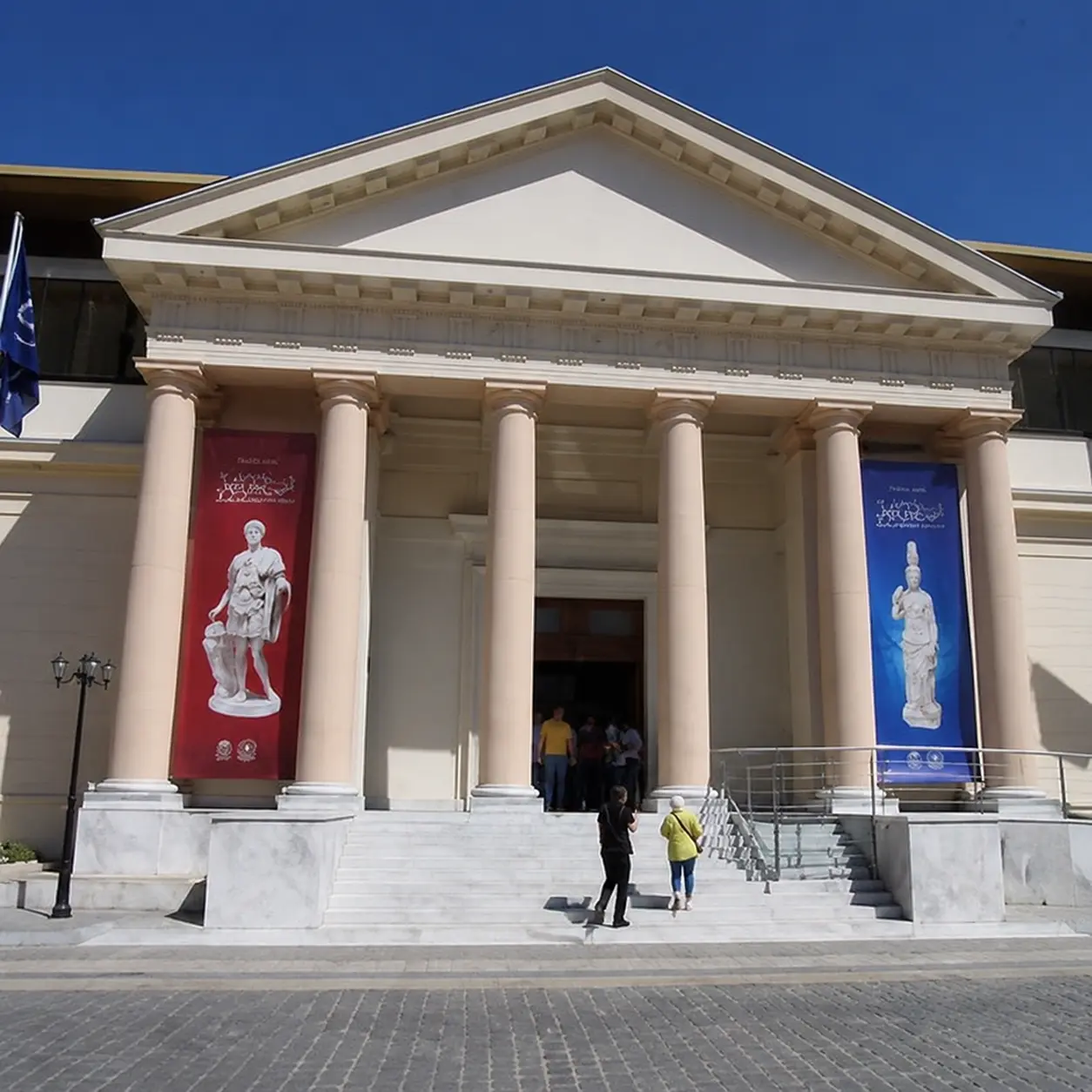

Alexandria National Museum
Alexandria National Museum is a compact, well-paced museum in Alexandria, Egypt, showing the city’s Pharaonic, Greco-Roman, Coptic, Islamic, and modern history through carefully displayed artifacts.


Plan your visit
- Opening hours
- Opening hours can vary by season, public holidays, and local arrangements. Check the latest schedule before you go, especially during Ramadan, national holidays, or if you plan to visit late in the day. Arriving earlier is generally safer if the museum is a priority in your Alexandria itinerary.
- Best time
- The best time to visit Alexandria National Museum is usually in the morning on a weekday, when galleries tend to feel calmer and you still have the rest of the day for the Corniche, Bibliotheca Alexandrina, or other city sights. It is also a good indoor stop during hot, windy, or rainy coastal weather.
- Visit duration
- Plan for around one to two hours for a comfortable visit. Allow extra time if you like reading every label, travelling with a guide, or pairing the museum with nearby Alexandria sights in a slower half-day plan.
- Category
- History & Ancient Wonders
- Location
About
Alexandria National Museum: a compact walk through Egypt’s many eras
Alexandria National Museum is one of the easiest places in the city to understand why Alexandria feels different from anywhere else in Egypt. Set inside a restored historic villa, the museum moves through Egyptian history in a clear, manageable way: Pharaonic foundations, Greek and Roman Alexandria, Coptic heritage, Islamic art, and the modern city that grew around the Mediterranean coast.
The building itself helps set the pace. This is not a vast museum where you need a full day and a route plan. Rooms are arranged across multiple levels, with displays that feel close enough to study properly: carved statues, funerary pieces, coins, ceramics, jewelry, manuscripts, and objects connected to Alexandria’s ancient ports and coastal life. You can see how the city acted as a meeting point between Egypt, the wider Mediterranean, and later Arab and Ottoman worlds.
What you’ll see inside
The Pharaonic section gives useful context before you meet the Ptolemaic and Roman material that Alexandria is famous for. Look for the changes in artistic style: Egyptian forms remain, but faces, drapery, and inscriptions begin to show Greek and Roman influence. That blend is one of the museum’s strongest points. It explains Alexandria better than a single monument can.
The Greco-Roman displays are the natural highlight for many visitors. Alexandria was founded as a Mediterranean capital, and the museum’s objects help make that history feel physical rather than abstract. You may see sculpture fragments, portrait-style pieces, funerary objects, and finds linked to ancient daily life. Some exhibits also reflect discoveries from the waters around Alexandria, a reminder that part of the ancient city’s story now lies offshore.
Later rooms move into Coptic and Islamic periods, showing crosses, textiles, calligraphy, metalwork, and domestic objects. This broader timeline matters. Alexandria is often introduced through Alexander the Great, Cleopatra, or the Lighthouse, but the city did not freeze in antiquity. The museum shows a place that kept changing, absorbing new languages, faiths, and trade links.
How to fit it into an Alexandria day
Alexandria National Museum works well as a first stop because it gives structure to the rest of the city. After seeing the museum’s ancient and coastal material, the Corniche, old districts, catacombs, Roman remains, and seafront views make more sense. It is also a smart cultural pairing with the modern library by the sea, where Alexandria’s scholarly identity is presented in a very different setting.
If you are building a wider route, use the museum as the historical anchor for an Alexandria travel plan. It is especially useful for travelers who have already visited Cairo or Giza and want to understand Egypt beyond the pyramids and temples. The story here is more layered: ports, dynasties, faiths, trade, migration, and the long pull of the Mediterranean.
Practical visiting tips
Give yourself time to read labels and move slowly. The museum is not overwhelming, but the objects reward attention. A guided visit can add value if you want help connecting names, periods, and styles; otherwise, it is still easy to enjoy independently.
Photography rules, ticket categories, and access arrangements can change, so check at the entrance before you start. Bring a light layer if you are sensitive to air-conditioning, and keep your phone charged if you like taking notes. The surrounding streets can be busy, so it is best to arrive with your drop-off point agreed in advance, especially if you are visiting during peak city traffic.
Alexandria National Museum is one of Alexandria's most-visited history & ancient wonders spots. Plan around The best time to visit Alexandria National Museum is usually in the morning on a weekday, when galleries tend to feel calmer and you still have the rest of the day for the Corniche, Bibliotheca Alexandrina, or other city sights. It is also a good indoor stop during hot, windy, or rainy coastal weather. for the best conditions, and budget roughly Plan for around one to two hours for a comfortable visit. Allow extra time if you like reading every label, travelling with a guide, or pairing the museum with nearby Alexandria sights in a slower half-day plan. on-site. Visit early to avoid crowds and heat.

Why travelers visit
Visit Alexandria National Museum to understand the city’s layered identity in one well-organized stop. It connects ancient Egypt, Greek and Roman Alexandria, Coptic heritage, Islamic art, and the modern Mediterranean city in a way that makes the rest of Alexandria easier to read.
Highlights
 Clear chronological route through Egypt’s history with a strong Alexandria focus
- Greco-Roman artifacts that show the city’s Mediterranean character
- Coptic and Islamic displays that add depth beyond ancient Alexandria
- Historic villa setting that feels calmer than many large national museums
- Good indoor choice for hot afternoons, windy coastal days, or a slower cultural stop
- Easy pairing with Bibliotheca Alexandrina and central Alexandria sightseeing
Photos
1 photos
Know before you go
Practical tips to make the most of your visit.

What to wear
Wear comfortable shoes for standing and moving between galleries. Light, breathable clothing works well for Alexandria’s coastal climate, with a light layer useful for air-conditioned rooms. There is no strict dress code for typical museum visitors, but modest casual clothing is a safe choice in Egyptian public spaces.

Is a guide recommended?
Start with the earliest galleries and move chronologically. The museum makes most sense when you watch Alexandria’s identity change from Egyptian to Greco-Roman, then through Coptic, Islamic, and modern layers. If a display label feels brief, focus on material, style, and symbols; those details often tell the story better than a long panel.

Common mistakes to avoid
- Visiting too quickly and treating it as a short photo stop; the museum is most rewarding when you read the labels and compare styles across periods.
- Skipping it because Alexandria has fewer standing ancient monuments than Luxor or Giza; the museum helps explain the city’s missing and submerged past.
- Arriving without checking current ticket, photography, or holiday arrangements, which can change locally.
- Trying to combine too many Alexandria sights in one rushed day without allowing for city traffic between stops.
- Expecting only Pharaonic objects; the museum’s strength is the full timeline from ancient Egypt through Greco-Roman, Coptic, Islamic, and modern periods.
Frequently asked questions
Is Alexandria National Museum worth visiting?
Yes, Alexandria National Museum is worth visiting because it gives a clear overview of Alexandria’s history in a manageable indoor setting. It is especially useful before exploring the city’s archaeological and seafront sites.
How long do you need at Alexandria National Museum?
Most visitors spend about one to two hours at Alexandria National Museum. History-focused travellers may want longer to read labels and study the Greco-Roman and Coptic displays in more detail.
What is Alexandria National Museum famous for?
The museum is best known for showing Alexandria’s history across several periods, not just one era. Its displays cover Pharaonic Egypt, Greek and Roman Alexandria, Coptic heritage, Islamic art, and the modern city.
Do I need a guide for Alexandria National Museum?
Yes, Alexandria National Museum can be visited independently if you are comfortable arranging transport and reading exhibit labels. A guide is helpful if you want the objects linked to Alexandria’s wider history and sites.
Can I visit Alexandria National Museum and Bibliotheca Alexandrina on the same day?
Alexandria National Museum and Bibliotheca Alexandrina can fit comfortably into the same day. Many travellers visit the museum first for historical context, then continue to the library and the seafront.
Can you take photos inside Alexandria National Museum?
Photography rules can vary, so ask at the ticket desk before taking pictures. Some areas or object types may have restrictions, and flash is often discouraged in museums to protect exhibits.
Visitor info
- Opening hours
- Opening hours can vary by season, public holidays, and local arrangements. Check the latest schedule before you go, especially during Ramadan, national holidays, or if you plan to visit late in the day. Arriving earlier is generally safer if the museum is a priority in your Alexandria itinerary.
- Recommended visit
- Plan for around one to two hours for a comfortable visit. Allow extra time if you like reading every label, travelling with a guide, or pairing the museum with nearby Alexandria sights in a slower half-day plan.
- Best time to visit
- The best time to visit Alexandria National Museum is usually in the morning on a weekday, when galleries tend to feel calmer and you still have the rest of the day for the Corniche, Bibliotheca Alexandrina, or other city sights. It is also a good indoor stop during hot, windy, or rainy coastal weather.
- Category
- History & Ancient Wonders
How to get there
Open in Google Maps
Reviews

Find guided Egypt tours that include this attraction.