
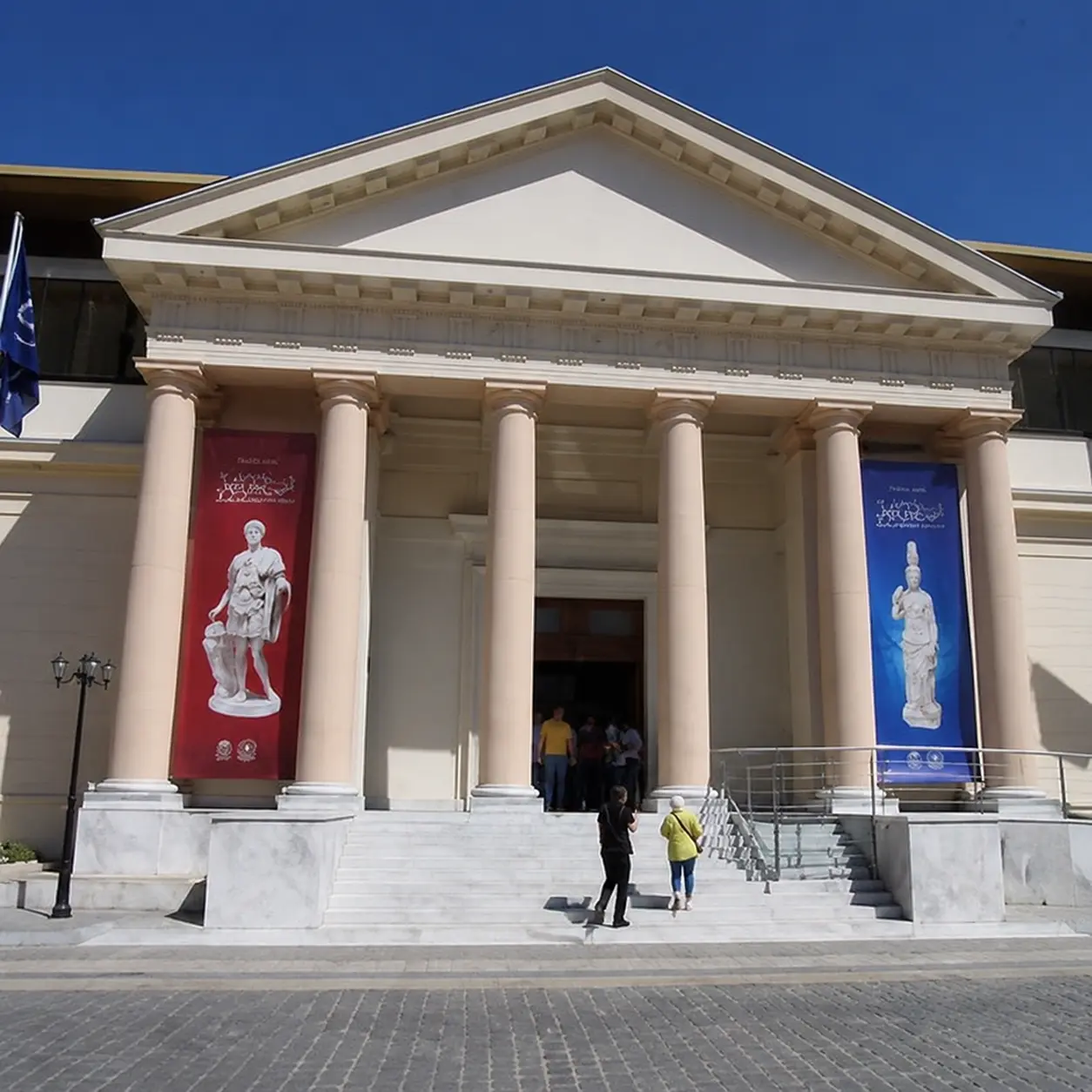
Graeco-Roman Museum in Alexandria
The Graeco-Roman Museum in Alexandria presents Egypt’s Ptolemaic and Roman chapters through sculpture, funerary art, coins, glass, mosaics, pottery, and everyday objects. It is one of the city’s strongest stops for understanding how Egyptian, Greek, and Roman traditions met in ancient Alexandria.


Plan your visit
- Opening hours
- The museum generally operates during daytime hours, but opening times, closing days, holiday schedules, and last-entry rules can change. Check the latest official information before setting out, especially during public holidays, Ramadan, or periods of special events.
- Best time
- The best time to visit is earlier in the day or during quieter weekday periods when galleries are easier to enjoy at a slow pace. Alexandria can be humid, windy, or busy depending on the season, so an indoor museum visit is a good option during strong sun, rain, or midday heat.
- Visit duration
- Plan for about one to two hours for a satisfying visit. Allow extra time if you like reading labels, using a guide, or sketching and photographing details where permitted.
- Category
- History & Ancient Wonders
- Location
About
Why the Graeco-Roman Museum in Alexandria matters
The Graeco-Roman Museum in Alexandria is one of the best places to understand the city that grew from Alexander’s foundation into a Mediterranean capital of learning, trade, religion, and politics. Its collection focuses on the centuries when Egyptian, Greek, and Roman cultures overlapped, so you see more than statues behind glass. You see how people prayed, buried their dead, decorated their homes, wrote official records, and blended visual languages from different worlds.
The museum is especially useful if Alexandria feels hard to read at street level. Modern buildings, sea air, traffic, and layers of rebuilding can hide the ancient city. Inside the galleries, those layers become clearer: a Greek-style portrait beside Egyptian funerary beliefs; Roman-era sculpture carrying local religious meaning; coins and inscriptions that point to a city connected to the wider Mediterranean.
What you’ll see inside
Expect a compact but rewarding museum experience built around Ptolemaic and Roman Egypt. Displays may include marble sculpture, painted funerary portraits, mosaics, terracotta figures, coins, pottery, glass, reliefs, and objects connected with daily life and burial customs. Look closely at faces and materials: smooth marble, worn limestone, fine glass, and small bronze pieces often tell a more personal story than the largest works.
One of the museum’s strengths is its focus. Rather than covering all of Egyptian history, it concentrates on the Graeco-Roman period, making it easier to follow the shift from pharaonic traditions into Hellenistic and Roman-era Alexandria. If you have already visited major pharaonic sites in Upper Egypt, the museum helps complete the picture by showing a different Egypt: coastal, multilingual, urban, and closely tied to the sea.
How to visit well
Give yourself enough time to move slowly. The museum rewards careful looking, especially in smaller objects such as coins, funerary labels, figurines, and domestic pieces. Start with the galleries that explain the historical setting, then circle back to the sculpture and funerary displays once the timeline feels clearer.
A guide can make a real difference here. The labels introduce the objects, but the story of Alexandria needs context: Alexander’s city, the Ptolemies, Egyptian religion under Greek rule, Roman administration, and the way everyday Alexandrians lived between cultures. If you prefer independent travel, read a short overview of Ptolemaic and Roman Egypt before arrival and keep your visit focused on three themes: identity, religion, and daily life.
Pairing it with other Alexandria sights
The museum fits naturally into a cultural day in Alexandria. Pair it with the seafront, old city streets, and the Bibliotheca Alexandrina, which gives a modern architectural counterpoint to Alexandria’s ancient reputation for scholarship. Travellers building a wider route can also use it as the history anchor for an Alexandria travel plan, especially if the day includes both museums and coastal viewpoints.
Practical visitor tips
Go with a light layer if you are sensitive to air-conditioning, and wear comfortable shoes for standing and slow gallery walking. Photography rules can vary by room or by current museum policy, so check signs before taking pictures. If you are visiting with children, turn the museum into a short object hunt: animals, emperors, Greek letters, Egyptian symbols, and painted faces are easy details to spot.
The best visit is unhurried but not overlong. The Graeco-Roman Museum in Alexandria works well as a morning or afternoon stop, followed by coffee, lunch, or a walk toward the Corniche. It is a place for connecting ideas, not just ticking off exhibits: Egypt did not stop changing after the pharaohs, and Alexandria is where that change feels especially vivid.
Graeco-Roman Museum in Alexandria is one of Alexandria's most-visited history & ancient wonders spots. Plan around The best time to visit is earlier in the day or during quieter weekday periods when galleries are easier to enjoy at a slow pace. Alexandria can be humid, windy, or busy depending on the season, so an indoor museum visit is a good option during strong sun, rain, or midday heat. for the best conditions, and budget roughly Plan for about one to two hours for a satisfying visit. Allow extra time if you like reading labels, using a guide, or sketching and photographing details where permitted. on-site. Visit early to avoid crowds and heat.

Why travelers visit
Visit the Graeco-Roman Museum in Alexandria to see the city’s ancient personality in detail: Egyptian beliefs, Greek artistic forms, Roman-era administration, and Mediterranean daily life all meeting in one focused collection.
Highlights
 Focused collection on Ptolemaic and Roman Egypt in Alexandria
- Sculpture, funerary art, coins, glass, pottery, mosaics, and inscriptions
- Strong context for understanding Alexandria as a Greek, Egyptian, and Roman city
- Indoor museum visit that works well during heat, wind, or rain
- Easy to combine with the Bibliotheca Alexandrina and Alexandria’s seafront
Photos
1 photos
Know before you go
Practical tips to make the most of your visit.

What to wear
Wear comfortable shoes and light, modest clothing suitable for a city museum. Bring a light layer if you get cold in air-conditioned galleries, and keep sun protection with you for walking around Alexandria before or after the visit.

Is a guide recommended?
A guide should frame this museum around cultural exchange, not just dates and dynasties. Point out where Egyptian religious symbols appear in Greek or Roman forms, and where imported artistic styles were adapted for local beliefs. This is the key to making the collection memorable.

Common mistakes to avoid
- Rushing through the smaller objects; coins, glass, terracotta figures, and funerary pieces often explain daily life better than the largest statues.
- Visiting without any background on Ptolemaic and Roman Egypt, which can make the cultural mixing harder to understand.
- Assuming photography is allowed everywhere; always check current signs and staff guidance inside the museum.
- Planning the museum after a heavy outdoor sightseeing day, when tired legs make gallery reading less enjoyable.
- Skipping Alexandria’s wider context; the museum makes more sense when paired with the seafront, library area, and old urban streets.
Frequently asked questions
Is the Graeco-Roman Museum in Alexandria worth visiting?
Yes, the Graeco-Roman Museum in Alexandria is worth visiting if you want to understand the city’s ancient identity beyond the famous library and seafront. It explains the period when Greek, Egyptian, and Roman traditions mixed in daily life, religion, art, and burial customs.
How long do you need at the Graeco-Roman Museum?
Most travellers should allow around one to two hours for the Graeco-Roman Museum. History lovers, photographers, and visitors using a guide may want longer, especially if they read labels carefully.
What is the Graeco-Roman Museum known for?
The museum is best known for objects from Ptolemaic and Roman Egypt, including sculpture, funerary art, coins, glass, pottery, mosaics, and inscriptions. Its collection helps show Alexandria as a Mediterranean city shaped by several cultures.
Do I need a guide for the Graeco-Roman Museum?
A guide is not required, but a good guide can greatly improve the visit. The objects are more meaningful when someone explains the historical background of Alexandria, the Ptolemies, Roman rule, and Egyptian religious continuity.
Is the Graeco-Roman Museum suitable for children?
The museum can work well for children if the visit is kept focused and not too long. Ask them to look for animals, faces, Greek letters, Egyptian symbols, and small objects from daily life.
What should I visit with the Graeco-Roman Museum in Alexandria?
The best nearby pairing is the Bibliotheca Alexandrina, along with a walk by the Corniche if the weather is pleasant. Together they connect ancient Alexandria’s scholarly reputation with the modern city’s cultural life.
Visitor info
- Opening hours
- The museum generally operates during daytime hours, but opening times, closing days, holiday schedules, and last-entry rules can change. Check the latest official information before setting out, especially during public holidays, Ramadan, or periods of special events.
- Recommended visit
- Plan for about one to two hours for a satisfying visit. Allow extra time if you like reading labels, using a guide, or sketching and photographing details where permitted.
- Best time to visit
- The best time to visit is earlier in the day or during quieter weekday periods when galleries are easier to enjoy at a slow pace. Alexandria can be humid, windy, or busy depending on the season, so an indoor museum visit is a good option during strong sun, rain, or midday heat.
- Category
- History & Ancient Wonders
How to get there
Open in Google Maps
Reviews

Find guided Egypt tours that include this attraction.