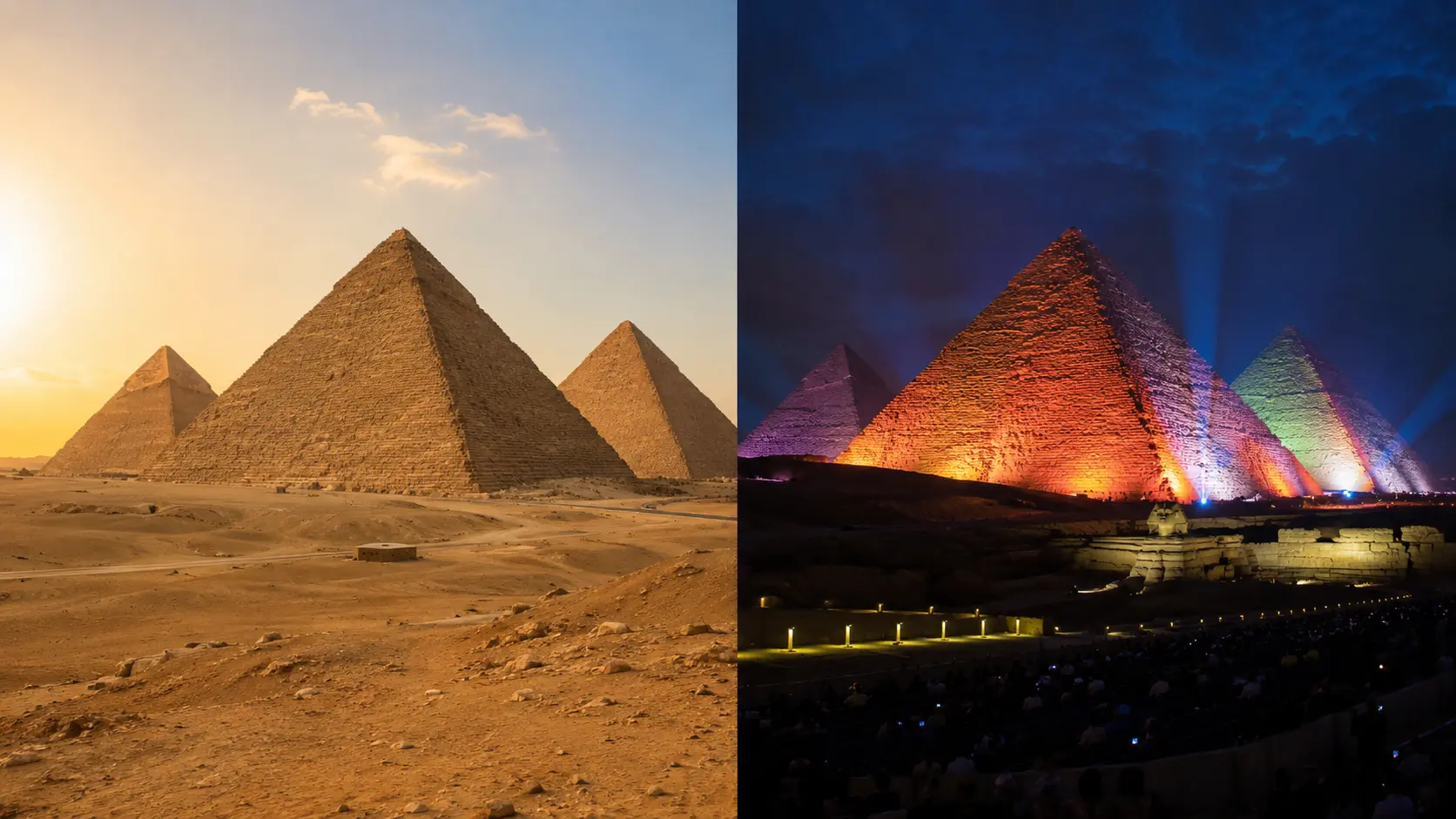
Pyramids of Giza
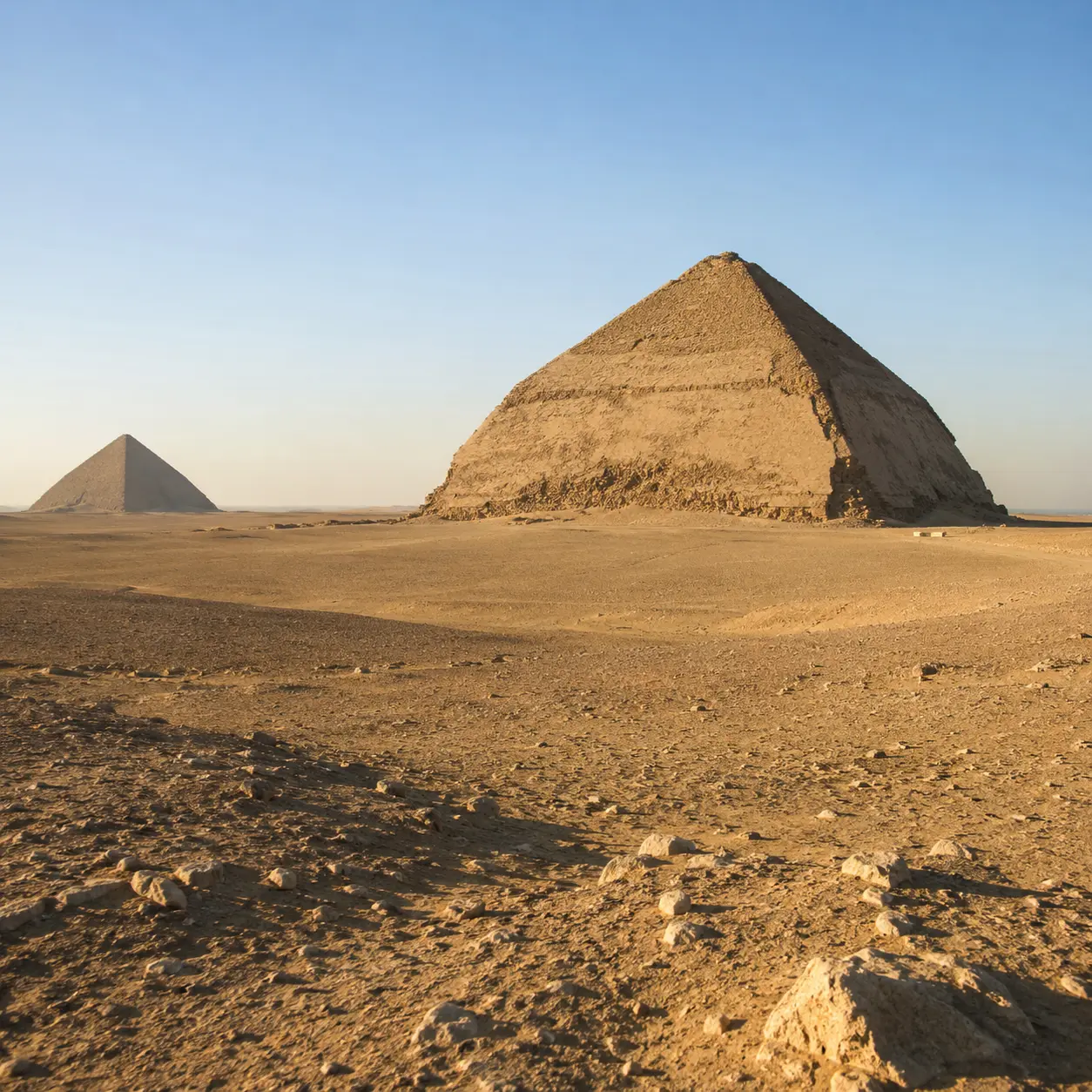
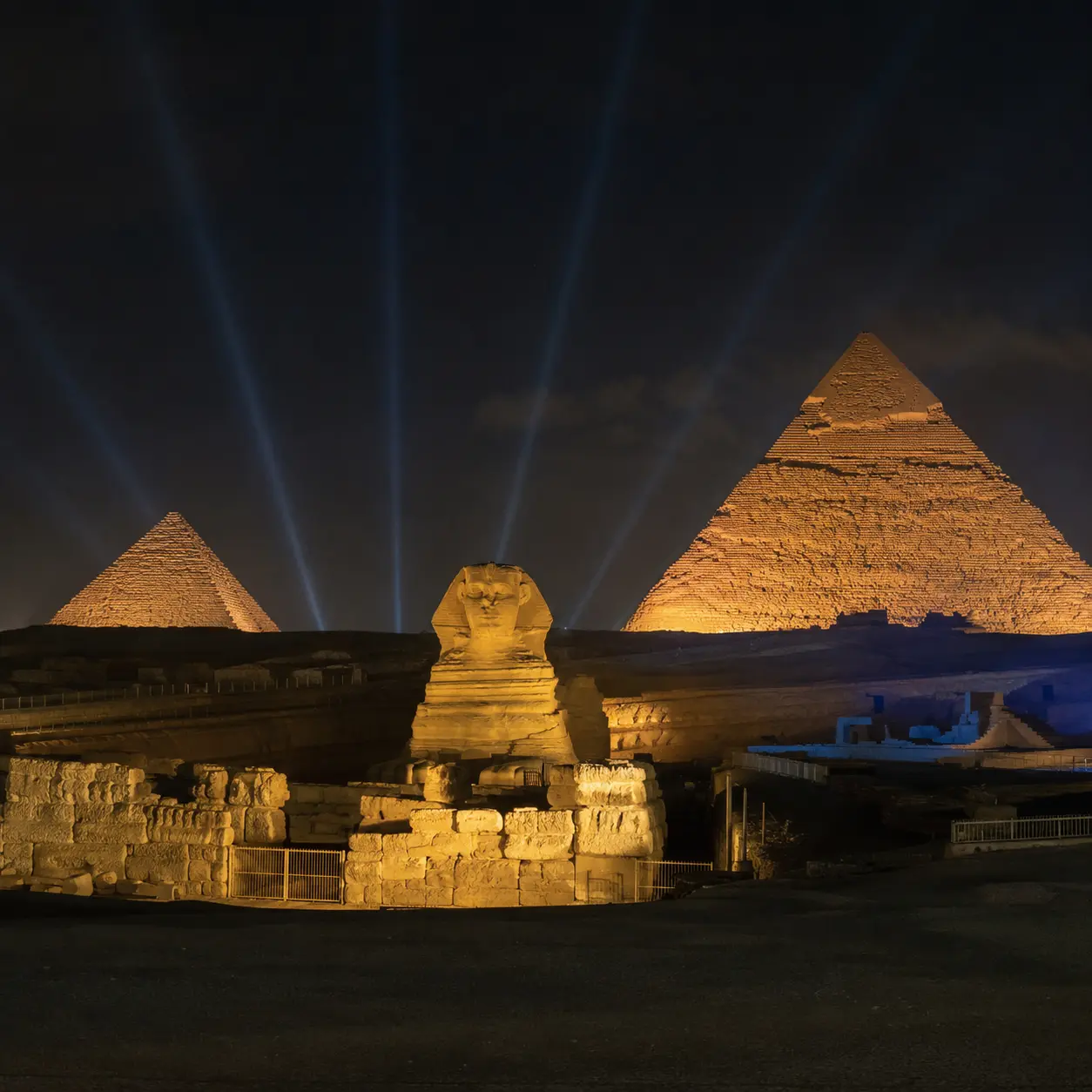
The Pyramids of Giza are Egypt’s most famous ancient site, with the pyramids of Khufu, Khafre and Menkaure, the Sphinx and sweeping desert viewpoints on one vast plateau.

Plan your visit
- Opening hours
- The Pyramids of Giza generally open during daylight hours, with seasonal adjustments and occasional changes for security, conservation or special events. Check the latest local schedule before your visit, especially if you plan to arrive very early or late in the day.
- Best time
- The best time to visit the Pyramids of Giza is early morning or late afternoon, when the light is softer and the heat is easier to manage. Cooler months are generally more comfortable for walking, while summer visits need a slower pace, sun protection and plenty of water.
- Visit duration
- Plan for around half a day if you want to see the main pyramids, the Sphinx and a panoramic viewpoint without rushing. A shorter visit is possible, but it often becomes a series of quick photo stops rather than a proper experience of the plateau.
- Category
- History & Ancient Wonders
- Location
About
The Pyramids of Giza are the ancient Egypt scene most travellers picture before they land: three royal pyramids rising from a pale limestone plateau, with the Sphinx watching from below and modern Cairo pressing close at the edge of the desert. The main monuments are the pyramids of Khufu, Khafre and Menkaure, built during Egypt’s Old Kingdom more than 4,500 years ago.
A visit is not just one viewpoint. The plateau is wide, dusty and exposed, with several stops that feel completely different: the base of the Great Pyramid, the causeway near Khafre’s pyramid, the Sphinx enclosure, and the panoramic desert viewpoints where all three pyramids line up. Give yourself time to move slowly. The scale makes more sense when you walk beside the stones and look back across the plateau.
The Great Pyramid is the largest and usually the focus of a first visit. Entry to the plateau is separate from any ticket that allows access inside a pyramid, and interior access can change depending on conservation needs. The inside is narrow, warm and steep in places. It is worth doing if you are comfortable in confined spaces, but the best experience for many travellers is still outside, where the geometry, stonework and desert setting are easier to appreciate.
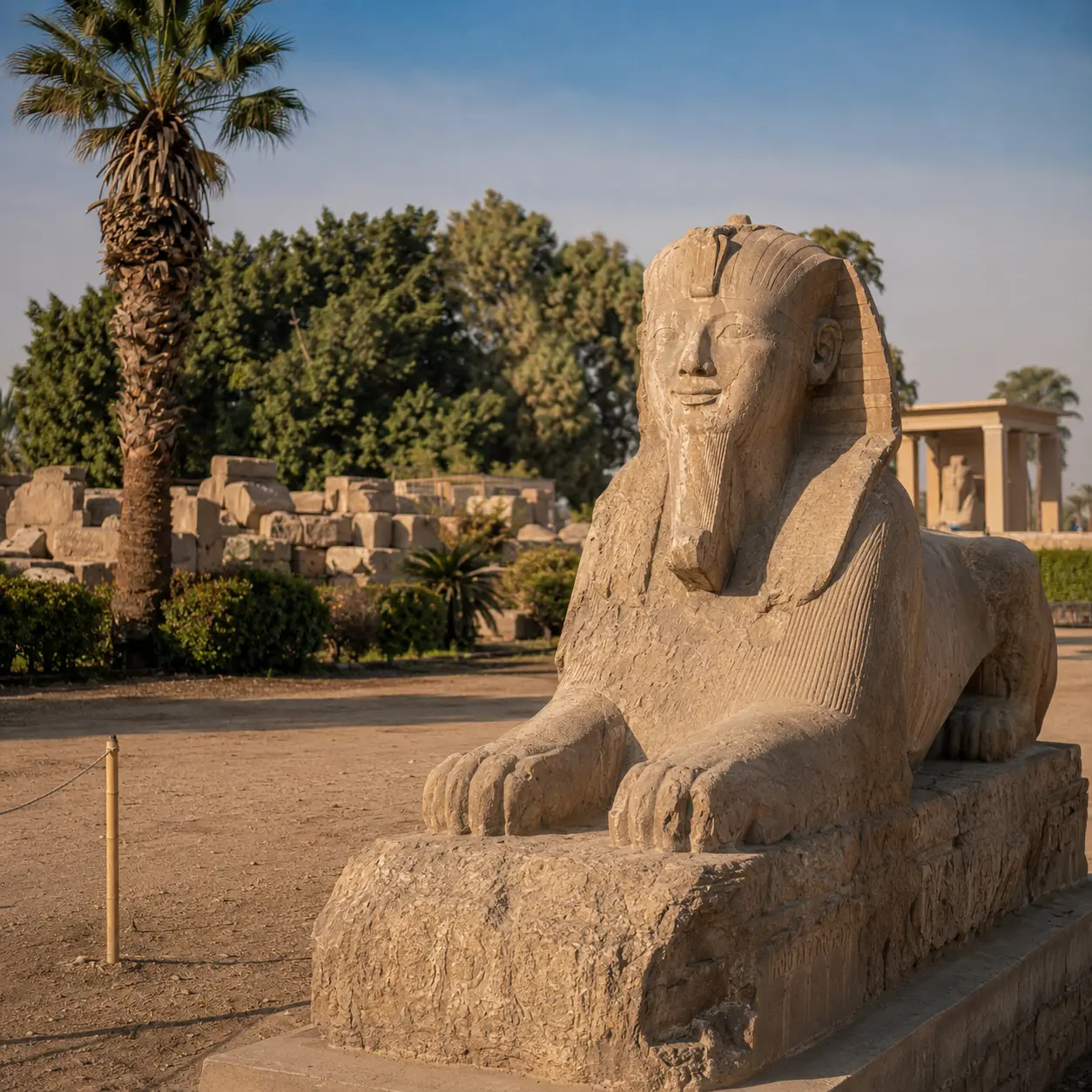
The Sphinx is included in most visits and is best seen both from the front viewing area and from the higher path connecting it with the pyramids. Early light gives the limestone a softer colour, while late afternoon can make the western desert glow. Midday is harsher: fewer shadows, stronger sun, and more glare in photographs.
Giza is often paired with Cairo museums, Saqqara or Dahshur, but the plateau deserves its own unhurried window. If your trip is built around ancient sites, browse Ozes’ pyramid-focused Egypt plans. Travellers staying nearby can also use our Giza travel options to keep transfers simple, while those combining the pyramids with the capital can look at Cairo-based tour routes.
A guide makes a real difference here. Without context, the plateau can feel like a series of photo stops. With a good guide, you understand the purpose of the causeways, the relationship between the pyramids and temples, and why the site developed where it did. For travellers who prefer clear pacing and fewer on-the-spot decisions, a guided Egypt trip is the easiest way to visit well.
Expect security checks, ticket queues at busy periods, persistent offers for camel or horse rides, and plenty of walking on uneven ground. None of this should put you off. It simply means the best Giza visit is planned, not improvised: arrive early if you can, carry water, wear shoes with grip, agree on any optional ride before it starts, and keep small cash available for legitimate extras.
Pyramids of Giza is one of Giza's most-visited history & ancient wonders spots. Plan around The best time to visit the Pyramids of Giza is early morning or late afternoon, when the light is softer and the heat is easier to manage. Cooler months are generally more comfortable for walking, while summer visits need a slower pace, sun protection and plenty of water. for the best conditions, and budget roughly Plan for around half a day if you want to see the main pyramids, the Sphinx and a panoramic viewpoint without rushing. A shorter visit is possible, but it often becomes a series of quick photo stops rather than a proper experience of the plateau. on-site. Visit early to avoid crowds and heat.

Why travelers visit
Visit the Pyramids of Giza to stand beside the last surviving wonder of the ancient world and see how royal architecture, desert landscape and mythology come together on one extraordinary plateau.
Highlights
 See the three main pyramids of Khufu, Khafre and Menkaure on the Giza Plateau.
- Stand near the Great Pyramid and appreciate the size of its stone blocks up close.
- Visit the Sphinx and the remains of the surrounding temple area.
- Take in wide desert viewpoints where the pyramids align across the plateau.
- Learn how royal tombs, temples, causeways and landscape worked together in Old Kingdom belief.
- Combine the visit with Cairo, Saqqara or Dahshur for a fuller ancient Egypt route.
Photos
1 photos
Know before you go
Practical tips to make the most of your visit.

What to wear
Wear light, breathable layers, closed walking shoes, a hat and sunglasses. The ground is dusty and uneven, and shade is limited. Modest clothing is sensible in Egypt generally, but comfort and sun protection are the priorities on the plateau.
Is a guide recommended?
For the best flow, start with the main pyramid area before the site gets too hot, continue to Khafre’s complex and the Sphinx, then finish at a panorama point. If you want a camel or horse ride, use a reputable operator, agree clearly on the total price and duration first, and do not feel pressured to accept.

Common mistakes to avoid
- Arriving at midday in hot weather and underestimating the lack of shade.
- Buying an inside-pyramid ticket without knowing that passages can be narrow, steep and warm.
- Letting a camel, horse or carriage ride begin before clearly agreeing on the route, time and total cost.
- Spending all the time at the Great Pyramid and rushing the Sphinx and panoramic viewpoints.
- Wearing sandals with poor grip on dusty stone and uneven ground.
- Expecting the plateau to feel remote; modern Giza is very close to the site boundary.
Frequently asked questions
Are the Pyramids of Giza worth visiting?
Yes, the Pyramids of Giza are worth visiting because they combine immense ancient engineering with one of Egypt’s most powerful historic landscapes. The experience is strongest when you allow time for the Sphinx, panorama points and context from a guide, not only a quick photo stop.
How long should I spend at the Pyramids of Giza?
Most travellers need around half a day for the Pyramids of Giza. This gives enough time for the main pyramids, the Sphinx, a panoramic viewpoint and a measured pace between stops.
Can you go inside the Pyramids of Giza?
You can sometimes go inside certain pyramids with an additional ticket, but access can vary. The interiors are narrow, warm and steep, so they are not ideal for claustrophobic travellers or anyone with mobility concerns.
Do I need a guide for the Pyramids of Giza?
A guide is highly recommended at the Pyramids of Giza because the site is large and not always well explained on the ground. A good guide helps with history, routing, ticket choices and handling optional ride offers calmly.
What should I wear to visit the Pyramids of Giza?
Wear breathable clothing, comfortable closed shoes, sunglasses and a hat. The plateau is dusty, bright and uneven, so practical clothing matters more than formal style.
Where is the best place to take photos at the Pyramids of Giza?
The best photos are usually taken in early morning, late afternoon and from the desert panorama viewpoints. The Sphinx area is also excellent, but it can be crowded, so patience helps.
Visitor info
- Opening hours
- The Pyramids of Giza generally open during daylight hours, with seasonal adjustments and occasional changes for security, conservation or special events. Check the latest local schedule before your visit, especially if you plan to arrive very early or late in the day.
- Recommended visit
- Plan for around half a day if you want to see the main pyramids, the Sphinx and a panoramic viewpoint without rushing. A shorter visit is possible, but it often becomes a series of quick photo stops rather than a proper experience of the plateau.
- Best time to visit
- The best time to visit the Pyramids of Giza is early morning or late afternoon, when the light is softer and the heat is easier to manage. Cooler months are generally more comfortable for walking, while summer visits need a slower pace, sun protection and plenty of water.
- Category
- History & Ancient Wonders
How to get there
Open in Google Maps
Reviews

Find guided Egypt tours that include this attraction.