Memphis Egypt
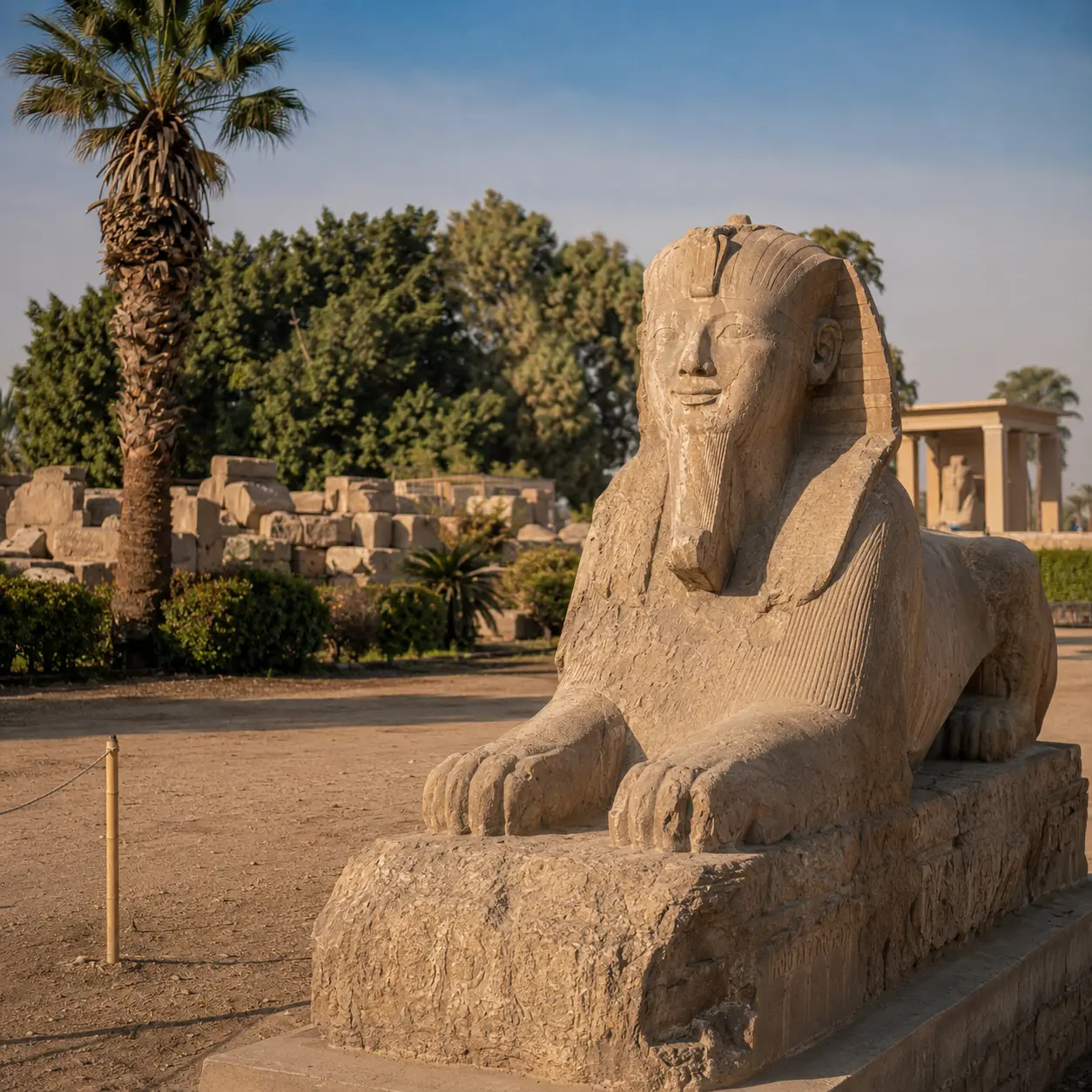
Memphis Egypt is the ancient capital site near Giza, known for the fallen colossus of Ramesses II, an alabaster sphinx and open-air ruins at Mit Rahina.


Plan your visit
- Opening hours
- Memphis Egypt is generally open during daytime sightseeing hours, but times may vary by season, holidays or local site management. Confirm current opening hours before you go, especially if combining Memphis with Saqqara and Dahshur in one day.
- Best time
- The best time to visit Memphis Egypt is early in the day or later in the afternoon, especially in warm months. The site has limited shade outside the covered statue area, so midday can feel harsh. Winter and the cooler shoulder months are generally more comfortable for walking and photography.
- Visit duration
- Plan around 30 to 60 minutes for Memphis Egypt. It is a compact site, but a guided explanation can make the visit more meaningful and may extend the stop slightly.
- Category
- History & Ancient Wonders
- Location
About
Memphis Egypt is the site of one of the ancient world’s great capitals. Today it is not a city of towering walls or intact temples, but an open-air archaeological museum at Mit Rahina, south of modern Cairo, where fragments of royal statues, temple blocks and sphinxes hint at the scale of what once stood here.
Ancient Memphis rose to importance after the unification of Upper and Lower Egypt. Its position near the Nile Valley and the entrance to the Delta made it a political, religious and administrative centre for many dynasties. Pharaohs built, rebuilt and repurposed monuments here for centuries, so the site reads like a layered archive rather than a single-period monument.
The main draw is the colossal limestone statue of Ramesses II, displayed lying down under a protective roof. Even without its lower legs, the figure is massive: the carved belt, smooth chest, royal names and idealised face show the confidence of New Kingdom royal art. Nearby, the large alabaster sphinx gives visitors a useful comparison with the more famous sphinx at Giza, though the setting here feels quieter and more compact.
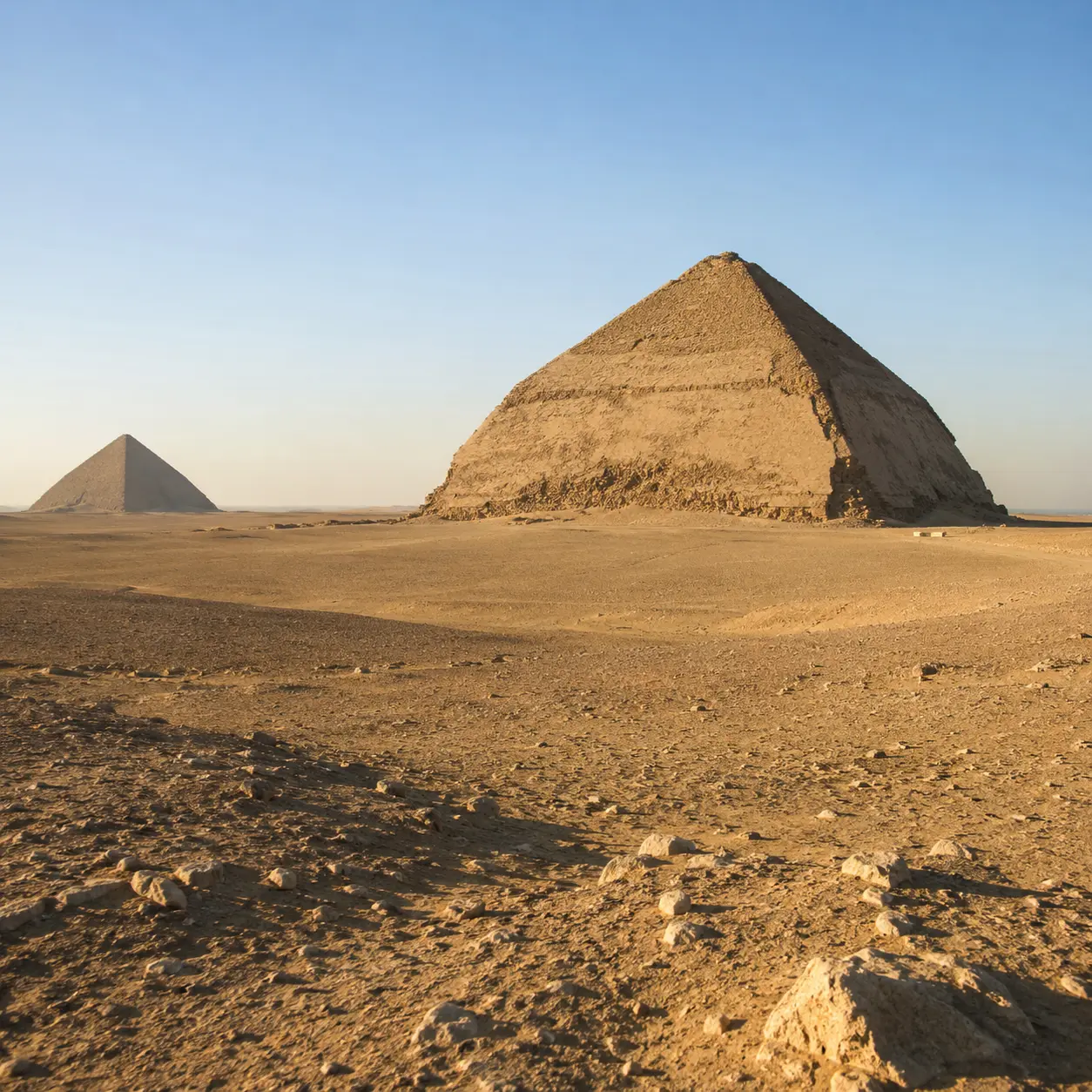
Memphis is best understood as part of a wider ancient landscape. Many travellers visit it after the Step Pyramid complex at Saqqara, then continue towards the Red and Bent Pyramids at Dahshur. This route helps the story make sense: Memphis was the living capital, while the desert edge nearby became a vast royal and elite burial zone.
Do not expect the drama of the Giza pyramid plateau. Memphis rewards a different kind of attention. Look closely at the statue fragments, reused stone blocks, inscriptions and the placement of monuments in the garden. A good guide can turn what may look like scattered pieces into a clear explanation of royal power, craftsmanship and the geography of ancient Egypt.
For most visitors, Memphis works best as a short but important stop on a south Giza archaeology day. Ozes includes it on routes such as the ancient capital and pyramids day trip, which combines the site with larger monuments nearby and gives the ruins the context they need.
Memphis Egypt is one of Giza's most-visited history & ancient wonders spots. Plan around The best time to visit Memphis Egypt is early in the day or later in the afternoon, especially in warm months. The site has limited shade outside the covered statue area, so midday can feel harsh. Winter and the cooler shoulder months are generally more comfortable for walking and photography. for the best conditions, and budget roughly Plan around 30 to 60 minutes for Memphis Egypt. It is a compact site, but a guided explanation can make the visit more meaningful and may extend the stop slightly. on-site. Visit early to avoid crowds and heat.

Why travelers visit
Visit Memphis Egypt to understand the ancient capital behind the pyramid age. The site gives context to Giza, Saqqara and Dahshur, with close-up access to major royal sculpture and fragments from a city that shaped Egyptian history.
Highlights
 Colossal fallen statue of Ramesses II displayed under cover
- Large alabaster sphinx, one of the most photogenic pieces on site
- Open-air museum layout with statue fragments, carved blocks and ancient remains
- Strong historical link to Saqqara, Dahshur and the wider Memphite necropolis
- Useful, quieter contrast to the scale and crowds of the Giza pyramids
Photos
1 photos
Know before you go
Practical tips to make the most of your visit.

What to wear
Wear light, breathable clothing, a hat, sunglasses and comfortable walking shoes. The ground can be dusty and uneven, and shade is limited outside the covered statue area. Modest casual clothing is suitable for general sightseeing in Egypt.

Is a guide recommended?
Ask your guide to explain Memphis as the ancient city behind the nearby pyramid cemeteries. Once you connect the capital at Mit Rahina with Saqqara and Dahshur, the route becomes a story of power, burial, religion and royal building over many centuries.

Common mistakes to avoid
- Visiting Memphis without Saqqara; the ancient capital makes far more sense when paired with its nearby necropolis.
- Expecting intact temples or a large museum-style complex; Memphis is mainly an open-air collection of excavated remains and major statue fragments.
- Rushing past the Ramesses II colossus without reading the cartouches, belt details and carving style.
- Arriving without sun protection, water and comfortable shoes, even though the visit is usually short.
- Treating Memphis as a standalone headline attraction rather than a context stop in the Giza-Saqqara-Dahshur archaeological landscape.
Frequently asked questions
What is Memphis Egypt famous for?
Memphis Egypt was the ancient capital of Egypt for long periods, especially during the early dynasties and Old Kingdom. Its location near the Nile and the Delta made it a powerful administrative and religious centre.
Is Memphis Egypt worth visiting?
Memphis Egypt is worth visiting if you are already exploring Saqqara, Dahshur or the Giza area. It is a short, context-rich stop rather than a full-day attraction.
How long do you need at Memphis Egypt?
Most visitors spend about 30 to 60 minutes at Memphis Egypt. Allow more time if you are with a guide who can explain the statues, inscriptions and ancient city layout.
Can you visit Memphis and Saqqara together?
Yes, Memphis and Saqqara are close enough to visit on the same half-day or full-day route. Many travellers also add Dahshur for a fuller view of ancient pyramid development.
What can you see at Memphis Egypt today?
The main things to see at Memphis Egypt are the colossal statue of Ramesses II, the alabaster sphinx, royal statue fragments and inscribed blocks from ancient temples. The site is compact but historically important.
Do I need a guide for Memphis Egypt?
A guide is strongly recommended at Memphis Egypt because many remains are fragmentary and need explanation. Without context, the site can feel like a collection of stones rather than the remains of a major ancient capital.
Visitor info
- Opening hours
- Memphis Egypt is generally open during daytime sightseeing hours, but times may vary by season, holidays or local site management. Confirm current opening hours before you go, especially if combining Memphis with Saqqara and Dahshur in one day.
- Recommended visit
- Plan around 30 to 60 minutes for Memphis Egypt. It is a compact site, but a guided explanation can make the visit more meaningful and may extend the stop slightly.
- Best time to visit
- The best time to visit Memphis Egypt is early in the day or later in the afternoon, especially in warm months. The site has limited shade outside the covered statue area, so midday can feel harsh. Winter and the cooler shoulder months are generally more comfortable for walking and photography.
- Category
- History & Ancient Wonders
How to get there
Open in Google Maps
Reviews

Find guided Egypt tours that include this attraction.