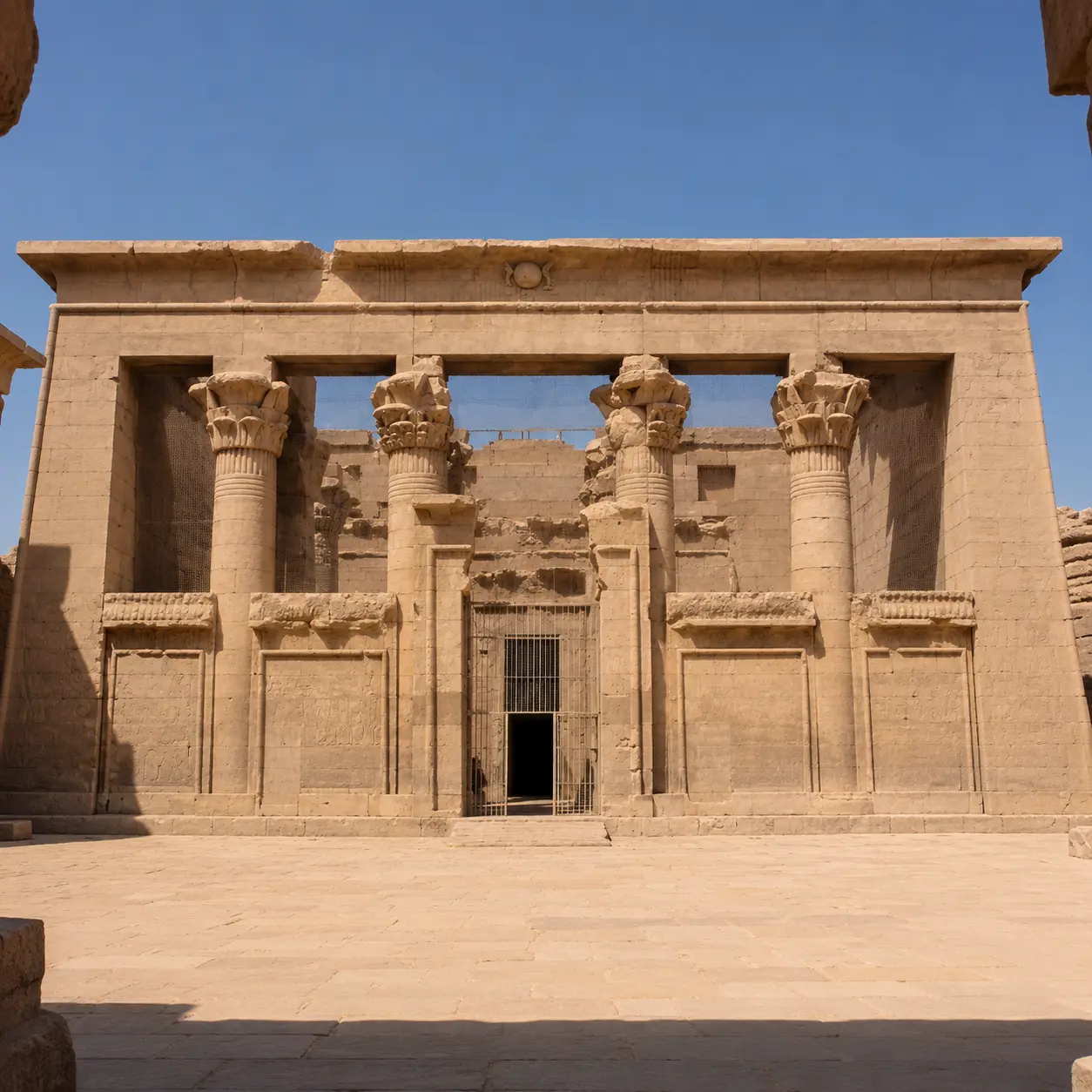
Kalabsha Temple
Kalabsha Temple is a relocated Nubian-Roman temple on Lake Nasser near Aswan, known for its quiet setting, sunlit sandstone, and links to the god Mandulis.


Plan your visit
- Opening hours
- Kalabsha Temple is generally visited during daylight hours, with access dependent on site operations and boat availability. Opening arrangements can vary, so confirm the current schedule locally, especially during holidays, summer heat, or unusual weather.
- Best time
- The best time to visit Kalabsha Temple is early morning or late afternoon, especially from autumn to spring when Aswan is milder. Summer visits are possible but can be very hot, so start early, carry water, and avoid lingering in exposed areas at midday.
- Visit duration
- Plan around one to two hours for Kalabsha Temple, including time to explore the main temple and take in the lake views. Add extra time for boat transfers and any nearby stops included in your Aswan itinerary.
- Category
- History & Ancient Wonders
- Location
About
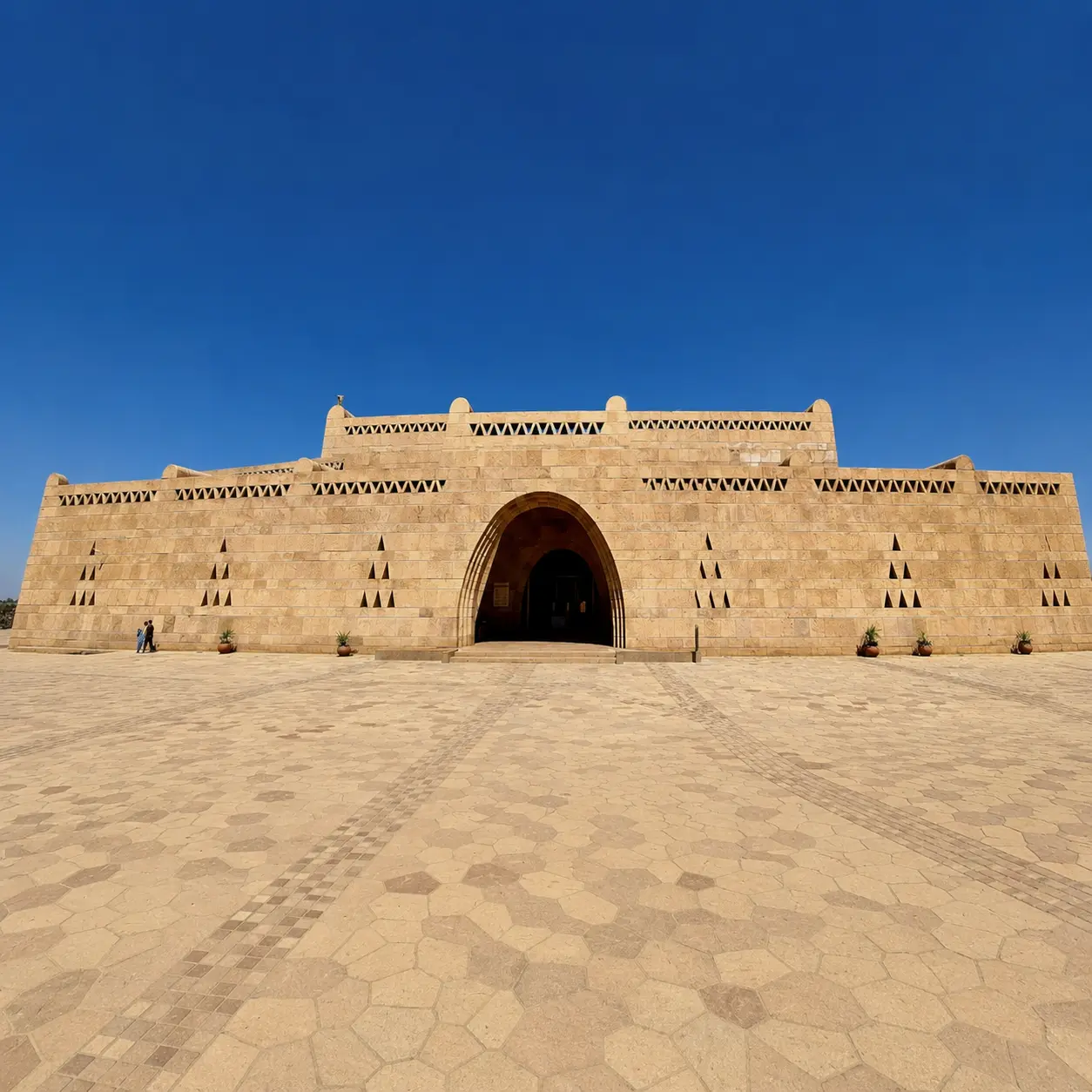
Kalabsha Temple is one of Aswan’s most rewarding ancient sites for travellers who want space, Lake Nasser views, and a strong Nubian story without the heavy crowds. The temple was originally built in Lower Nubia and later moved to higher ground when the Nile valley changed with the creation of Lake Nasser. Today it sits on New Kalabsha, a quiet island reached by boat near the High Dam area.
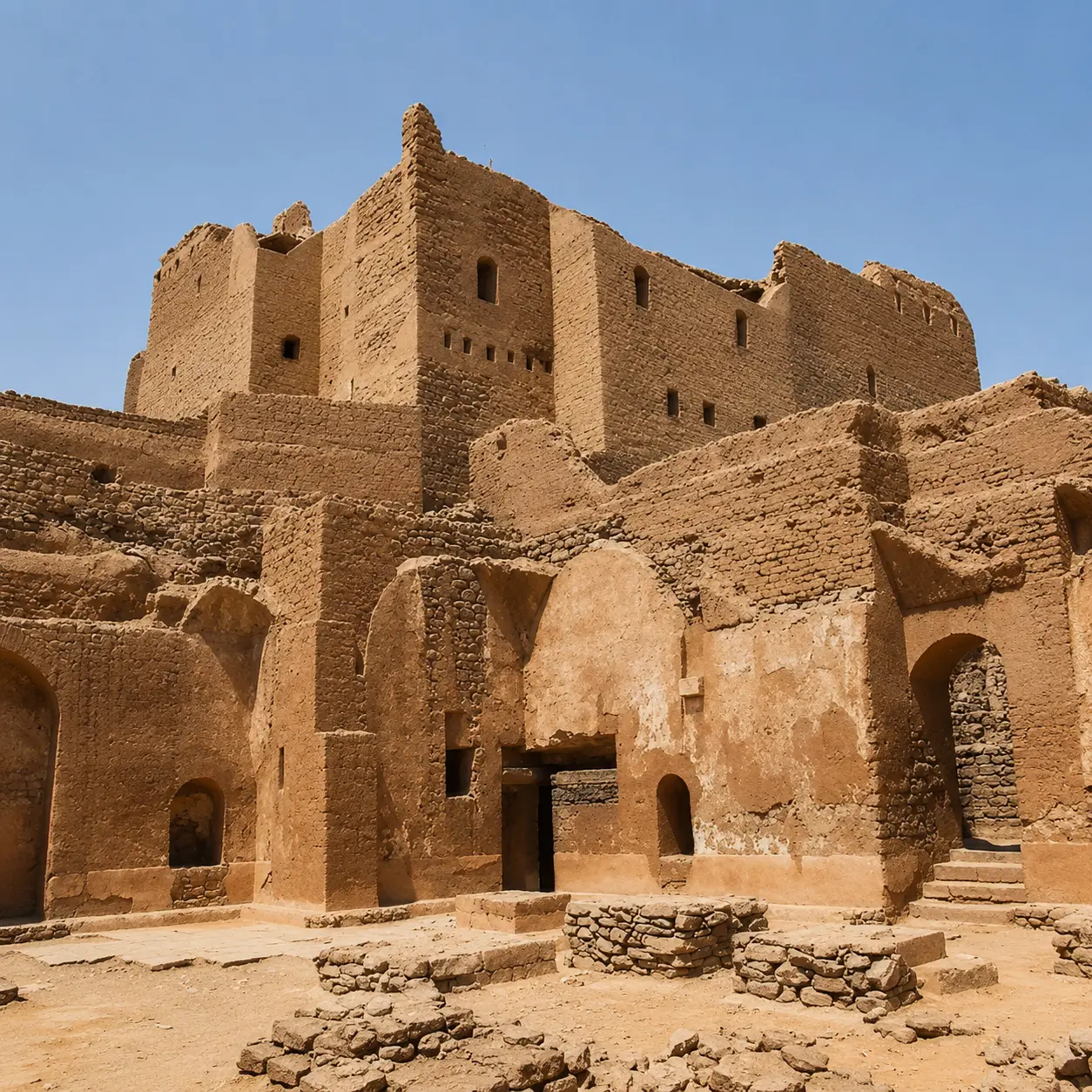
The temple is usually associated with Mandulis, a Nubian solar deity, and its present form belongs mainly to the Roman period in Egypt. That mix is part of its appeal: Egyptian temple planning, Nubian religious identity, and Roman-era carving all meet in one place. You will see a pylon, open courts, columned halls, relief scenes, and long walls that glow warm gold in the Aswan sun.
Kalabsha feels different from Philae’s island temples. Philae is more famous and more decorated; Kalabsha is quieter, broader, and often more atmospheric because the surrounding lake and desert hills are so exposed. The silence is part of the visit. You hear boat engines fade, wind across stone, and sometimes nothing at all.
The relocation story also matters. Like several monuments in Nubia, Kalabsha was dismantled and reconstructed to protect it from rising water after the High Dam project. Seeing the temple today is not only a look at ancient worship; it is also a lesson in modern conservation and the choices Egypt faced when balancing development with heritage.
A good visit focuses on three things: the scale of the architecture, the Nubian identity of the cult, and the lake setting. Walk slowly through the entrance pylon, then turn back to look at the doorway framed against the blue water. Inside, use side light to read the reliefs; harsh midday sun can flatten the carving, while early or late light brings out texture.
Kalabsha works well for travellers already planning Aswan trips or a deeper Nubian itinerary that may include a Nubian village, Philae, and Lake Nasser viewpoints. It can also be paired thematically with Abu Simbel’s rock-cut temples, since both sites show how Nubian monuments were saved and reintroduced to the modern landscape.
This is not a place to rush. Bring water, sun protection, and a guide who can explain the relocation, the god Mandulis, and the differences between Nubian and Egyptian temple traditions. Without context, Kalabsha may look like a quiet ruin; with context, it becomes one of Aswan’s clearest stories of survival.
Kalabsha Temple is one of Aswan's most-visited history & ancient wonders spots. Plan around The best time to visit Kalabsha Temple is early morning or late afternoon, especially from autumn to spring when Aswan is milder. Summer visits are possible but can be very hot, so start early, carry water, and avoid lingering in exposed areas at midday. for the best conditions, and budget roughly Plan around one to two hours for Kalabsha Temple, including time to explore the main temple and take in the lake views. Add extra time for boat transfers and any nearby stops included in your Aswan itinerary. on-site. Visit early to avoid crowds and heat.

Why travelers visit
Visit Kalabsha Temple for a quieter side of ancient Aswan: a Nubian-Roman temple saved from Lake Nasser, set against water, desert, and clean southern light. It is especially rewarding for travellers who have already seen Egypt’s headline temples and want a site with space, conservation history, and a distinct Nubian character.
Highlights
 Quiet island setting on Lake Nasser with wide desert and water views
- A major Nubian temple rebuilt after the creation of Lake Nasser
- Reliefs connected to Mandulis, a Nubian solar deity
- Roman-era Egyptian temple architecture with pylons, courts, halls, and sanctuary spaces
- Excellent pairing with Philae, the High Dam, or a wider Aswan heritage day
Photos
1 photos
Know before you go
Practical tips to make the most of your visit.

What to wear
Wear light, breathable clothing, a hat, sunglasses, and comfortable shoes with grip. The stone can be uneven and the island is exposed, so sun protection matters more than style. Modest clothing is practical and respectful across Egypt’s historic sites.

Is a guide recommended?
Ask your guide to explain the temple’s original Nubian location, the relocation process, and the cult of Mandulis before you walk inside. Once you understand those three points, the site becomes much easier to read.

Common mistakes to avoid
- Treating Kalabsha as a quick photo stop instead of allowing time to understand its Nubian and Roman-era context.
- Arriving without sun protection; the temple and boat area are exposed, with very little shade.
- Assuming the boat, guide, and entrance arrangements are all included; confirm what your visit covers before departure.
- Skipping a guide or explanation, which makes the relocation story and Mandulis reliefs easy to miss.
- Visiting at harsh midday light if photography matters; low-angle light is better for stone texture and lake views.
Frequently asked questions
Where is Kalabsha Temple located?
Kalabsha Temple is near Aswan on New Kalabsha island, close to the Lake Nasser and High Dam area. It is usually reached by a short boat ride arranged through a guide, hotel, or local operator.
Is Kalabsha Temple worth visiting?
Yes, Kalabsha Temple is worth visiting if you enjoy quiet ancient sites, Nubian history, and Lake Nasser scenery. It is less crowded than Aswan’s better-known temples and gives a strong sense of place.
Who was Kalabsha Temple dedicated to?
Kalabsha Temple is dedicated mainly to Mandulis, a Nubian solar deity. Its architecture and decoration also reflect the wider Egyptian temple tradition during the Roman period.
Why was Kalabsha Temple relocated?
Kalabsha Temple was moved to protect it from the rising waters of Lake Nasser after the construction of the Aswan High Dam. The relocation preserved an important Nubian monument that would otherwise have been submerged.
How long do you need at Kalabsha Temple?
Most visits to Kalabsha Temple take about one to two hours, depending on boat logistics and how much time you spend with a guide. Allow extra time if you want photography or a slower walk through the site.
How do you get to Kalabsha Temple from Aswan?
Kalabsha Temple is usually reached by boat, not by walking directly from central Aswan. Your driver can take you to the appropriate departure area, then a boat completes the journey to the island.
Is Kalabsha Temple the same as Philae Temple?
Kalabsha Temple is not the same as Philae Temple; they are separate island temple sites near Aswan. Philae is dedicated mainly to Isis, while Kalabsha is strongly linked to the Nubian god Mandulis.
Visitor info
- Opening hours
- Kalabsha Temple is generally visited during daylight hours, with access dependent on site operations and boat availability. Opening arrangements can vary, so confirm the current schedule locally, especially during holidays, summer heat, or unusual weather.
- Recommended visit
- Plan around one to two hours for Kalabsha Temple, including time to explore the main temple and take in the lake views. Add extra time for boat transfers and any nearby stops included in your Aswan itinerary.
- Best time to visit
- The best time to visit Kalabsha Temple is early morning or late afternoon, especially from autumn to spring when Aswan is milder. Summer visits are possible but can be very hot, so start early, carry water, and avoid lingering in exposed areas at midday.
- Category
- History & Ancient Wonders
How to get there
Open in Google Maps
Reviews

Find guided Egypt tours that include this attraction.