Aswan High Dam
A practical, family-friendly viewpoint in Aswan where travellers can see Lake Nasser, understand Nile flood control, and place modern Egypt beside its ancient river history.


Plan your visit
- Opening hours
- The Aswan Dam is generally visited during daytime sightseeing hours, often as part of a guided route. Access rules and stopping points can change for security or operational reasons, so confirm the day’s plan locally before setting out.
- Best time
- Morning or late afternoon is usually the most comfortable time, especially in warmer months. The light is softer, the exposed concrete and desert surroundings feel less harsh, and families can fit the stop between temple visits without spending too long in direct sun.
- Visit duration
- Allow about 20 to 40 minutes for the usual viewpoint stop and guide explanation. Add more time only if your route includes nearby Aswan attractions or extra photo stops.
- Category
- Family-Friendly
- Location
About
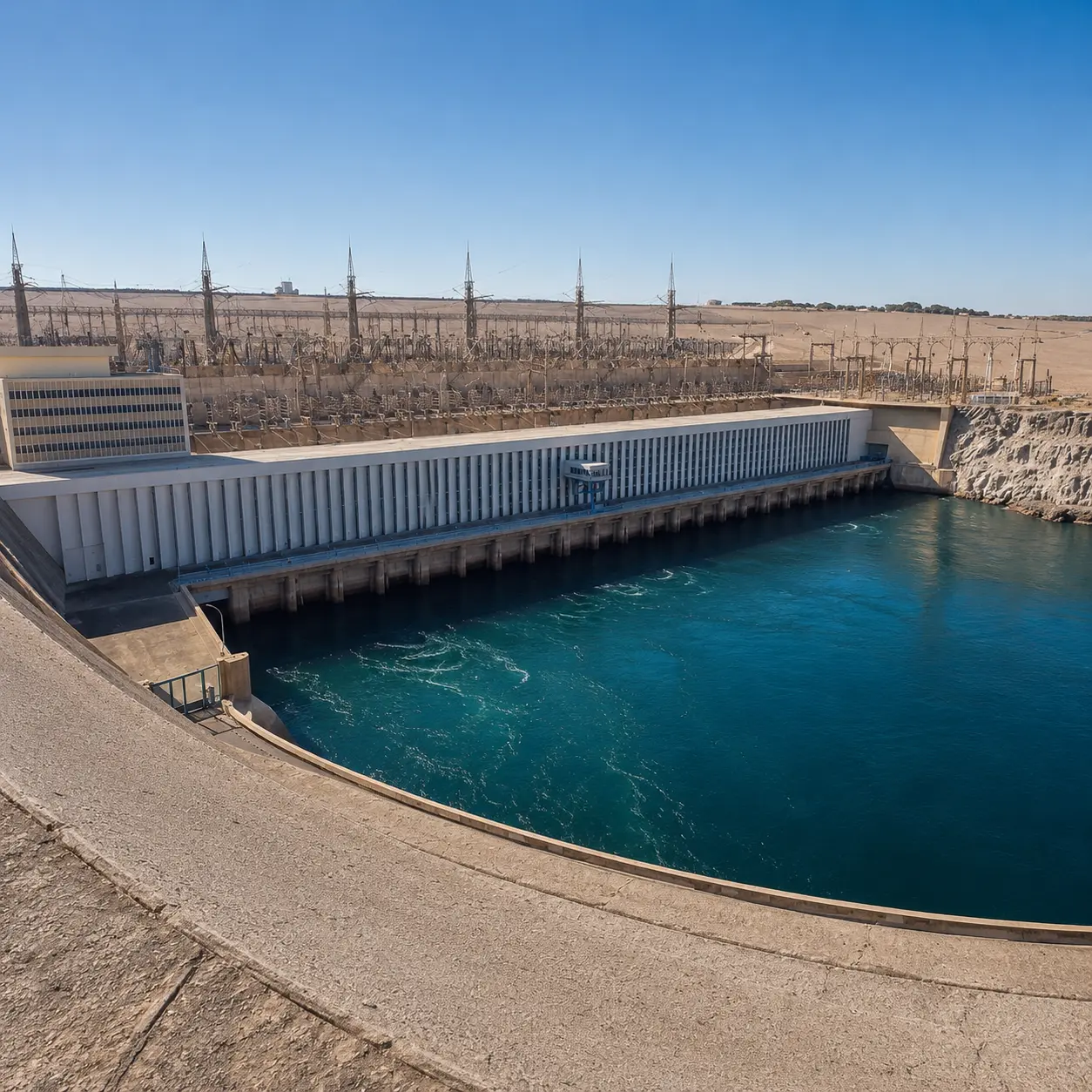
The Aswan Dam is one of the easiest places in Aswan to understand how the modern Nile works. Most visitors mean the Aswan High Dam: the vast 20th-century barrier south of the city that helped regulate annual flooding, store water in Lake Nasser, and generate electricity. It is not a temple visit, and it is not designed for long wandering. Its value is perspective: standing above the water, you see the Nile as a living system shaped by engineering, agriculture, politics, and migration.
A typical stop is short and open-air. You look across broad blue water on one side and the controlled river landscape on the other, with desert light flattening the horizon. For families, it is a useful change of pace between carved temples and boat rides. Children who have just seen ancient scenes of Nile floods can connect those stories to the dam’s practical role today.
The visit also opens a more thoughtful conversation. The dam brought major benefits, including flood control and power generation, but it also changed the river environment and displaced Nubian communities around the reservoir. If you want the human side of that story, pair the dam with a respectful visit to the colorful Nubian villages, where culture, language, and hospitality are still very present.
The dam is often combined with nearby Aswan sights rather than visited as a standalone half-day. A classic route pairs it with Philae’s island sanctuary, reached by small motorboat, and the unfinished obelisk area if your guide includes it. Travellers continuing south can connect the dam’s reservoir story with the relocated rock-cut temples at Abu Simbel, one of Egypt’s most important preservation efforts.
Because this is infrastructure, not an ancient ruin, expect security, limited stopping areas, and practical rules about where vehicles can pause. Photography is usually possible from visitor viewpoints, but always follow your guide’s advice and avoid filming checkpoints, police, or restricted facilities. For a smooth day, treat the Aswan Dam as a focused viewpoint and context stop within a wider Aswan itinerary.
Aswan High Dam is one of Aswan's most-visited family-friendly spots. Plan around Morning or late afternoon is usually the most comfortable time, especially in warmer months. The light is softer, the exposed concrete and desert surroundings feel less harsh, and families can fit the stop between temple visits without spending too long in direct sun. for the best conditions, and budget roughly Allow about 20 to 40 minutes for the usual viewpoint stop and guide explanation. Add more time only if your route includes nearby Aswan attractions or extra photo stops. on-site. Visit early to avoid crowds and heat.

Why travelers visit
Visit the Aswan Dam to see the modern engineering that reshaped the Nile’s rhythm and created Lake Nasser. It gives families and first-time visitors a simple, visual way to connect ancient Nile life, present-day Egypt, and Aswan’s Nubian heritage.
Highlights
 Wide views over Lake Nasser and the controlled Nile landscape
- A clear introduction to modern water management in Egypt
- Family-friendly stop with minimal walking
- Useful context for Nubian history and temple relocation projects
- Easy to combine with Philae Temple and other Aswan sights
Photos
1 photos
Know before you go
Practical tips to make the most of your visit.

What to wear
Wear light, breathable clothing, comfortable shoes, sunglasses, and a hat. The visit is exposed, so sunscreen is useful even for a short stop. Modest casual clothing is appropriate, especially if your day also includes temples or local villages.

Is a guide recommended?
Ask your guide to explain the dam in three parts: what it changed for farmers, what it changed for Nubian communities, and how it connects to the rescue of temples around Lake Nasser. That turns a quick photo stop into a useful piece of Egypt’s modern story.

Common mistakes to avoid
- Expecting a long museum-style visit; the Aswan Dam is best treated as a short viewpoint with strong historical context.
- Ignoring the wider Nubian story; the dam’s impact on local communities is part of understanding modern Aswan.
- Photographing restricted areas without asking; always follow guide and security instructions around infrastructure.
- Visiting at midday in hot weather without water, hats, or sunglasses.
- Skipping a guide’s explanation; without context, the site can feel like just a road stop.
Frequently asked questions
Is the Aswan Dam worth visiting?
Yes, the Aswan Dam is worth visiting if you want to understand modern Egypt and the Nile beyond temples and tombs. It is a short, informative stop rather than a major sightseeing complex.
How long do you need at the Aswan Dam?
Most visits to the Aswan Dam are brief, often around a focused stop for views and explanation. Plan it as part of a wider Aswan day rather than a standalone outing.
Is the Aswan Dam good for children?
The Aswan Dam is family-friendly because access is simple, walking is limited, and the story is easy to connect to the Nile. Bring sun protection, water, and a simple explanation for younger children before you arrive.
What is the difference between the Aswan Dam and the Aswan High Dam?
The Aswan High Dam is the large modern dam that created Lake Nasser, while the older Aswan Dam is an earlier structure closer to the city. Most tourist visits advertised as the Aswan Dam focus on the High Dam viewpoint.
Can you take photos at the Aswan Dam?
Photography is usually allowed from visitor viewpoints, but restricted areas should not be filmed. Ask your guide before taking photos near security posts, gates, or operational facilities.
What can I combine with the Aswan Dam?
The Aswan Dam is commonly combined with Philae Temple, the Unfinished Obelisk area, a Nubian village visit, or a Nile-side drive. It works best as a context stop within an Aswan sightseeing route.
Visitor info
- Opening hours
- The Aswan Dam is generally visited during daytime sightseeing hours, often as part of a guided route. Access rules and stopping points can change for security or operational reasons, so confirm the day’s plan locally before setting out.
- Recommended visit
- Allow about 20 to 40 minutes for the usual viewpoint stop and guide explanation. Add more time only if your route includes nearby Aswan attractions or extra photo stops.
- Best time to visit
- Morning or late afternoon is usually the most comfortable time, especially in warmer months. The light is softer, the exposed concrete and desert surroundings feel less harsh, and families can fit the stop between temple visits without spending too long in direct sun.
- Category
- Family-Friendly
How to get there
Open in Google Maps
Reviews

Find guided Egypt tours that include this attraction.