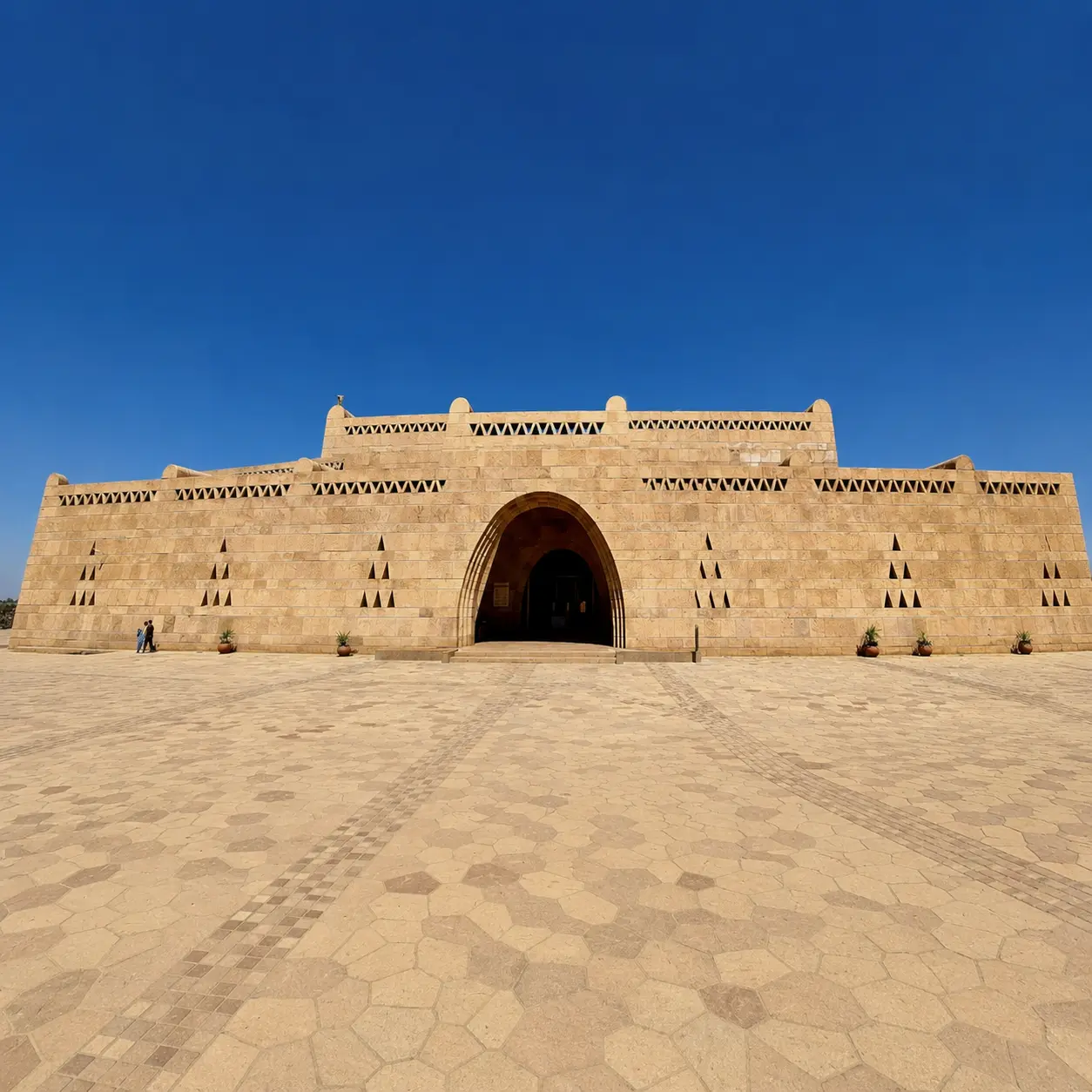
Nubian Museum
The Nubian Museum in Aswan is a thoughtful, well-presented museum dedicated to Nubian history, culture, and the Nile landscapes transformed by modern dam projects.


Plan your visit
- Opening hours
- The Nubian Museum commonly operates with set visiting hours, and schedules may shift by season, Ramadan, maintenance needs, or public holidays. Check the latest opening information before setting out, especially if you plan to visit in the evening or around a flight, cruise departure, or train time.
- Best time
- The Nubian Museum is a good choice during the hotter part of the day because much of the visit is indoors. For the gardens and exterior displays, early morning or late afternoon is more comfortable. During Ramadan, public holidays, or peak travel periods, confirm the current schedule before you go.
- Visit duration
- Plan for 1.5 to 2 hours. A quick visit can be done in about an hour, but the museum is more rewarding if you leave time for the labels, models, and outdoor areas.
- Category
- History & Ancient Wonders
- Location
About
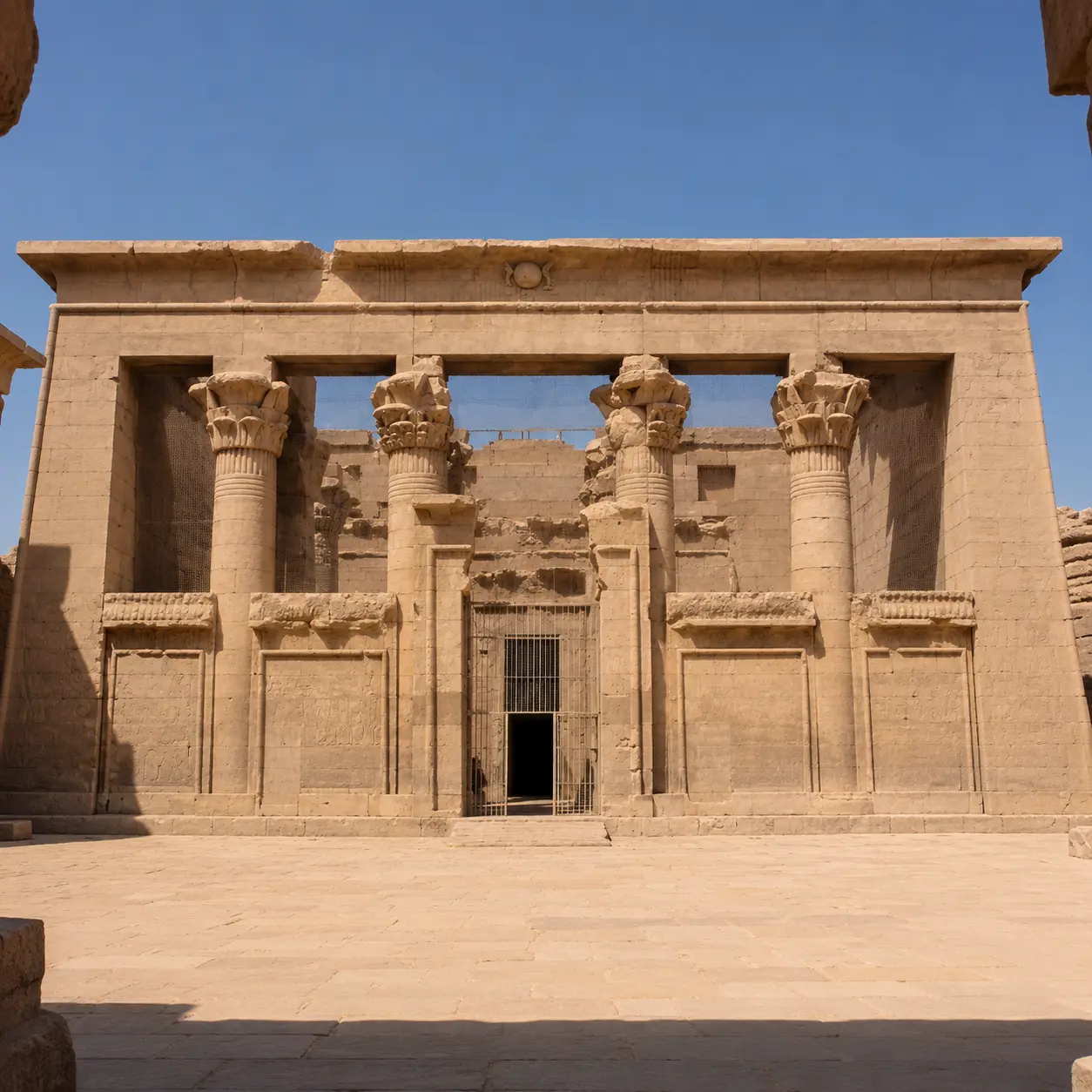
The Nubian Museum is Aswan’s clearest introduction to Nubia: a region, culture, and river landscape that long predates modern borders. It is not a quick room of statues. It is a carefully arranged museum about life along the Nile in southern Egypt and northern Sudan, with objects, models, photographs, and open-air displays that help make sense of what was changed by the creation of Lake Nasser and the modern dam projects.
Inside, the galleries move through a broad sweep of history, from early settlements and ancient Egyptian contact to Christian, Islamic, and modern Nubian culture. Expect carved stone, pottery, jewellery, tools, textiles, architectural fragments, and displays that explain daily life as much as royal power. The lighting is softer than in many temple sites, the labels are useful, and the pace feels calmer than Aswan’s busier river stops.
The museum is especially valuable before or after visiting Philae’s island temple. Philae shows sacred architecture in a dramatic setting; the Nubian Museum adds the human and historical context around the river, land, and communities affected by relocation. If you are also going to the Aswan High Dam, the museum helps connect the engineering story with the cultural one.
Give yourself time for the garden and exterior areas, not just the indoor galleries. The landscaping uses stone, water, and desert plants to echo the Nubian environment, and the outdoor pieces are best appreciated slowly. Late afternoon can be particularly pleasant if the heat has eased and the stone takes on a warmer colour.
For many travellers, the Nubian Museum pairs well with a Nubian Village visit. They are different experiences: the museum is structured and historical, while the village visit is social, colourful, and contemporary. Together, they give a more rounded picture than either one alone.
If your Aswan schedule includes Abu Simbel or Kom Ombo’s riverside temple, place the museum on a lighter day. It rewards attention rather than rushing. Travellers planning wider Aswan travel days often use it as a slower, cooler counterpoint to early starts and long drives.
Nubian Museum is one of Aswan's most-visited history & ancient wonders spots. Plan around The Nubian Museum is a good choice during the hotter part of the day because much of the visit is indoors. For the gardens and exterior displays, early morning or late afternoon is more comfortable. During Ramadan, public holidays, or peak travel periods, confirm the current schedule before you go. for the best conditions, and budget roughly Plan for 1.5 to 2 hours. A quick visit can be done in about an hour, but the museum is more rewarding if you leave time for the labels, models, and outdoor areas. on-site. Visit early to avoid crowds and heat.

Why travelers visit
Visit the Nubian Museum to understand Aswan beyond its temples and river views. It gives cultural depth to the region, explaining Nubian identity, ancient connections, relocation history, and the lived relationship between people and the Nile.
Highlights
 Broad introduction to Nubian history, identity, and Nile culture
- Calm indoor galleries that work well during Aswan’s hotter hours
- Objects and displays covering daily life as well as ancient history
- Context for Philae Temple, Abu Simbel, the High Dam, and Lake Nasser
- Landscaped outdoor areas with stonework, water features, and open-air exhibits
Photos
1 photos
Know before you go
Practical tips to make the most of your visit.

What to wear
Wear comfortable walking shoes and light, modest clothing suitable for Aswan’s heat. The indoor galleries are more comfortable than outdoor sites, but you may still spend time in sunny garden areas, so bring sunglasses, sun protection, and water.

Is a guide recommended?
A guide is not essential, but a good guide can make the museum much more meaningful by linking the displays to Philae, Abu Simbel, Lake Nasser, and living Nubian culture. If visiting independently, slow down in the early galleries; they set up the rest of the story.

Common mistakes to avoid
- Treating it as a quick photo stop instead of giving the galleries enough time.
- Visiting after a very long Abu Simbel day, when museum fatigue is almost guaranteed.
- Skipping the outdoor garden and open-air displays.
- Expecting only pharaonic objects; the museum covers Nubian culture across many periods.
- Arriving without checking current ticket rules, photography policies, or holiday hours.
Frequently asked questions
Is the Nubian Museum worth visiting?
Yes, the Nubian Museum is worth visiting if you want cultural context for Aswan, Philae, the High Dam, and Nubian heritage. It is one of the best indoor stops in the city and suits travellers who like history beyond temple walls.
How long do you need at the Nubian Museum?
Most visitors should allow about 1.5 to 2 hours for the Nubian Museum. Add more time if you read labels closely, visit the gardens slowly, or are travelling with a guide.
Should I visit the Nubian Museum before or after Philae Temple?
The Nubian Museum is especially useful before or after Philae Temple. Visit before Philae for context, or after Philae to understand the wider Nubian story behind the river and relocation history.
Can you take photos inside the Nubian Museum?
Photography rules can vary by area and over time, so ask at the ticket desk before taking pictures. Some museums allow phone photography without flash, while certain rooms or objects may have restrictions.
Is the Nubian Museum good for children?
The Nubian Museum is usually a good option for families because it is calmer and cooler than many outdoor sites. Children who enjoy models, objects, and short stories about daily life tend to get the most from it.
What can I combine with the Nubian Museum in Aswan?
You can combine the Nubian Museum with Philae Temple, the Unfinished Obelisk area, a felucca ride, or a Nubian Village visit, depending on your pace. Avoid pairing it with too many major stops if you want to enjoy it properly.
Visitor info
- Opening hours
- The Nubian Museum commonly operates with set visiting hours, and schedules may shift by season, Ramadan, maintenance needs, or public holidays. Check the latest opening information before setting out, especially if you plan to visit in the evening or around a flight, cruise departure, or train time.
- Recommended visit
- Plan for 1.5 to 2 hours. A quick visit can be done in about an hour, but the museum is more rewarding if you leave time for the labels, models, and outdoor areas.
- Best time to visit
- The Nubian Museum is a good choice during the hotter part of the day because much of the visit is indoors. For the gardens and exterior displays, early morning or late afternoon is more comfortable. During Ramadan, public holidays, or peak travel periods, confirm the current schedule before you go.
- Category
- History & Ancient Wonders
How to get there
Open in Google Maps
Reviews

Find guided Egypt tours that include this attraction.