Kom Ombo Temple
Kom Ombo Temple is a Ptolemaic-era double temple on the Nile near Aswan, dedicated to Sobek and Horus the Elder. Its paired layout, crocodile symbolism, and carved reliefs make it one of Upper Egypt’s most distinctive ancient sites.


Plan your visit
- Opening hours
- Kom Ombo Temple is generally visited during daytime and may have extended or adjusted access around cruise schedules, but hours can change by season, security guidance, or local management. Confirm current opening times before travelling, especially if you are planning an early morning, sunset, or independent visit.
- Best time
- The best time to visit Kom Ombo Temple is early morning or late afternoon, when the sun is lower and the carved reliefs are easier to see. Sunset visits are especially atmospheric from the Nile side, though they can be busy if several cruise boats arrive together. In warmer months, avoid the strongest midday heat where possible and carry water.
- Visit duration
- Plan around 45 minutes to 1.5 hours for Kom Ombo Temple. Allow extra time if you want a slower guided explanation, photos in softer light, or a stop at the nearby crocodile museum if it is open during your visit.
- Category
- History & Ancient Wonders
- Location
About
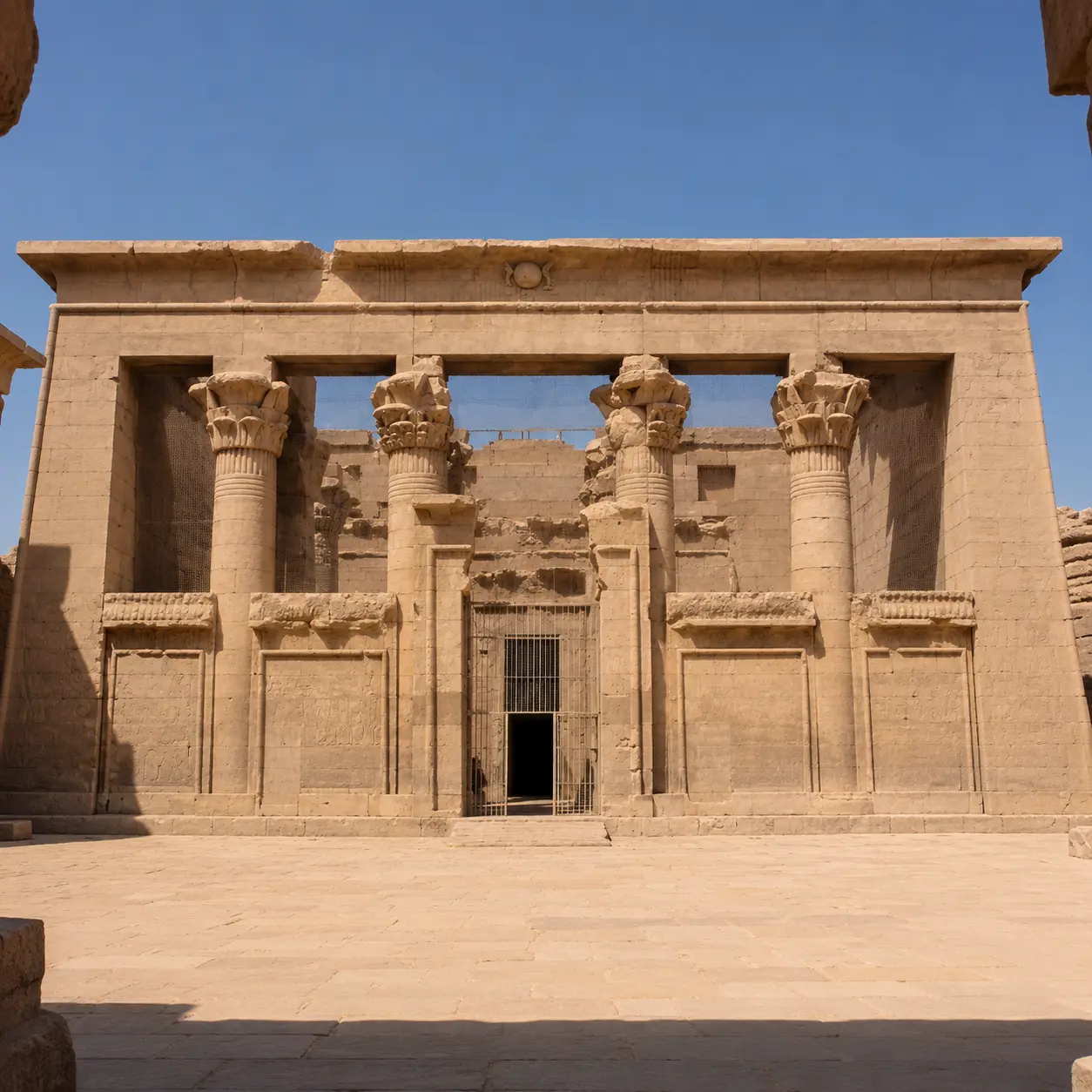
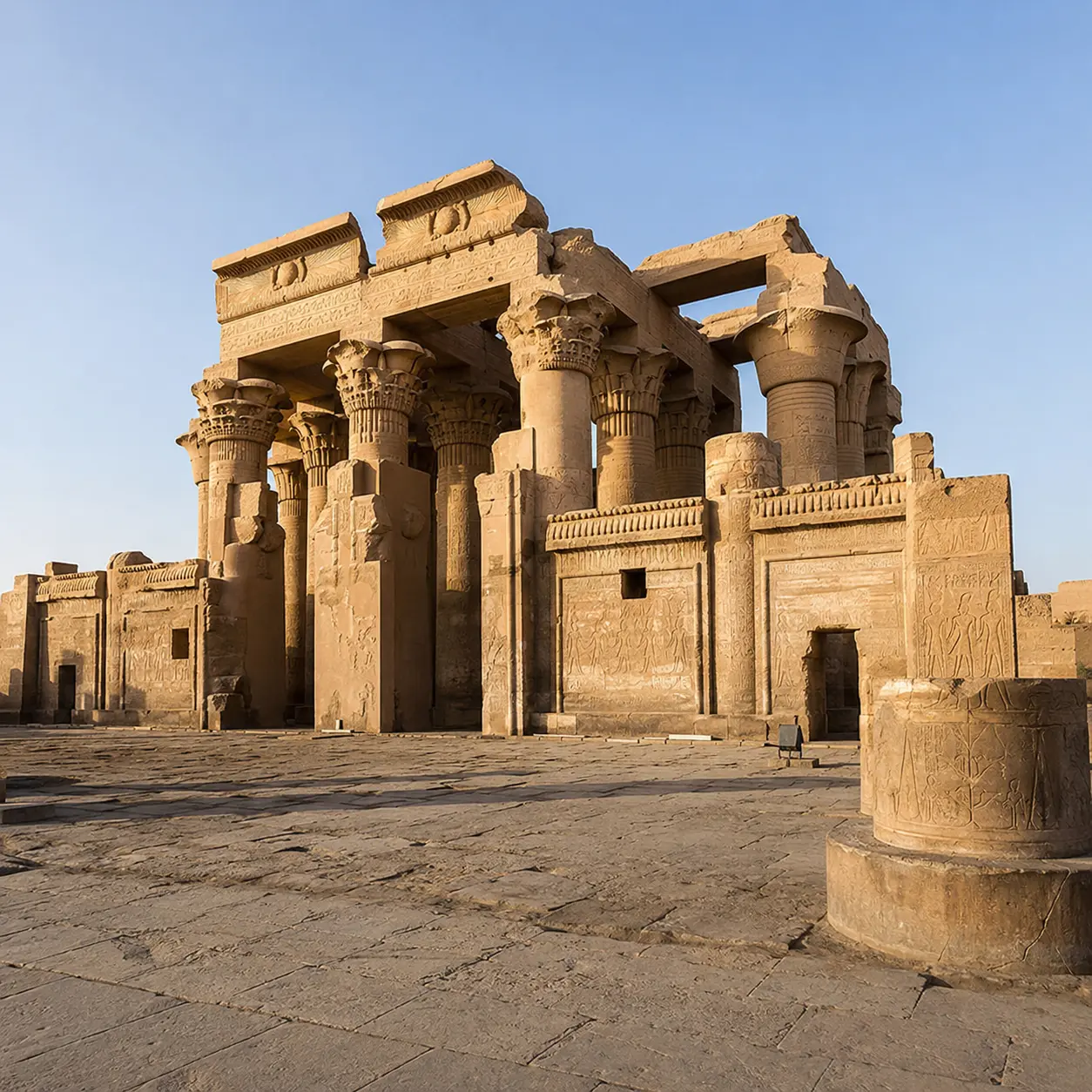
Kom Ombo Temple is one of Egypt’s most unusual riverside temples: a symmetrical “double temple” built for two gods, Sobek the crocodile god and Horus the Elder. Instead of one main sanctuary, the plan splits into paired entrances, halls, courts, and sacred spaces. Stand on the central axis and the design starts to make sense — two cults sharing one monument without one swallowing the other.
The temple sits on a bend of the Nile at Kom Ombo, north of Aswan, so many travellers visit it while moving between Edfu and Aswan on a cruise. The setting is part of the appeal. You step off near the river, pass pale sandstone walls, and see carved columns catching the low desert light. In the hotter hours, the stone can feel bright and exposed; near sunset, the reliefs become easier to read as shadows settle into the carvings.
Most of what you see today dates to the Ptolemaic and Roman periods, when Egyptian religious traditions continued under Greek and Roman rule. The temple walls show pharaohs making offerings, gods receiving ritual objects, and detailed scenes of medical tools, calendars, and ceremonial life. Look closely at the crocodile imagery: Sobek was feared and respected because crocodiles were a real presence in the Nile world, not just a symbol in a textbook.
A visit works well as part of a wider Aswan temple route, especially if you are comparing different Nile-side sanctuaries. Philae feels island-like and graceful, while the temple of Isis near Aswan has a very different story of relocation and rescue. Farther south, Abu Simbel’s colossal façade offers scale and royal drama; Kom Ombo is more intimate, architectural, and easy to absorb in a single focused stop.
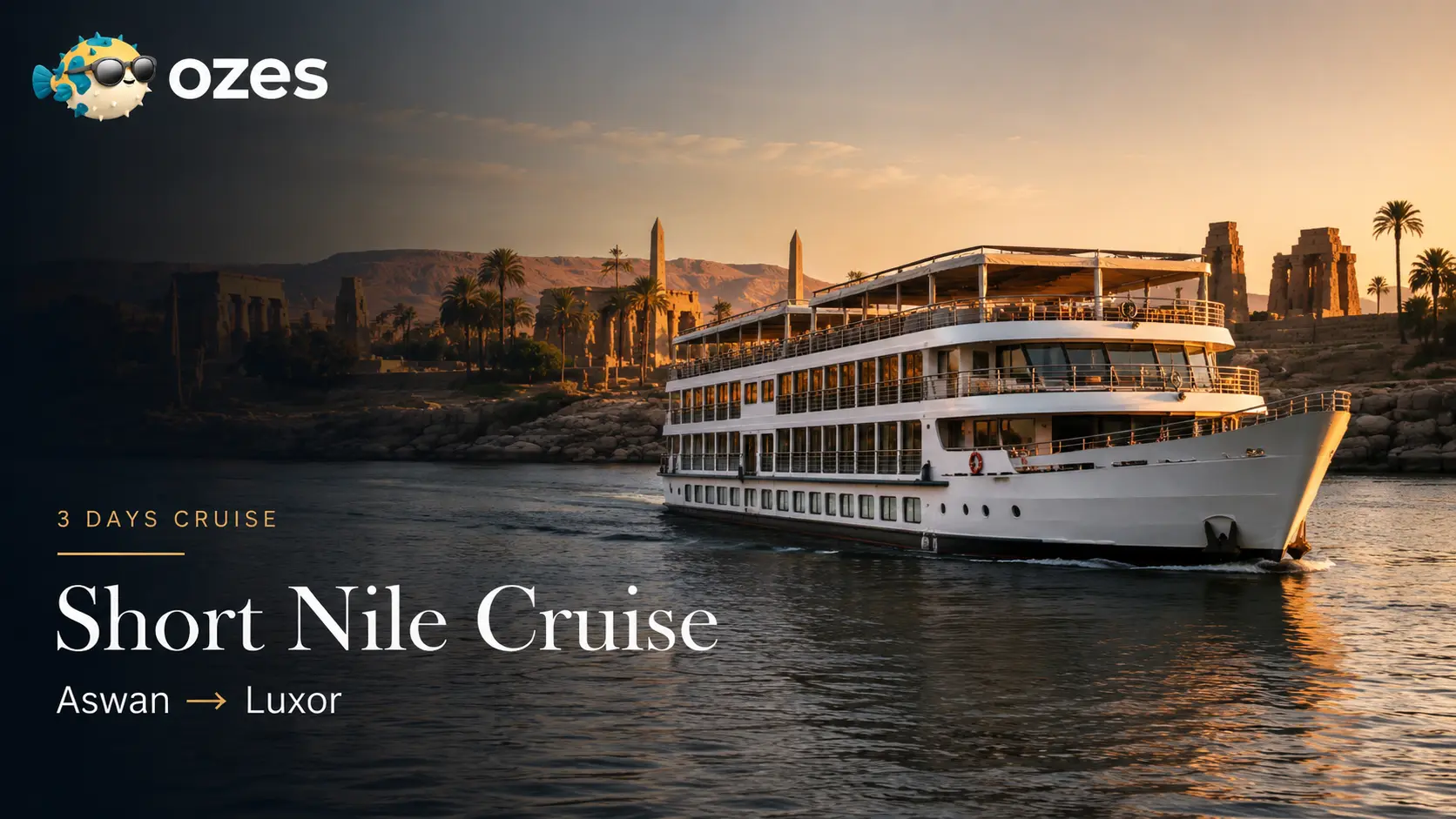
If you are travelling by river, Kom Ombo is often one of the clearest examples of why a Nile sailing itinerary suits Upper Egypt. The temple is close to the water, the visit does not require a long transfer, and a good guide can make the paired layout, crocodile cult, and relief scenes click within an hour or two.
Kom Ombo Temple is one of Aswan's most-visited history & ancient wonders spots. Plan around The best time to visit Kom Ombo Temple is early morning or late afternoon, when the sun is lower and the carved reliefs are easier to see. Sunset visits are especially atmospheric from the Nile side, though they can be busy if several cruise boats arrive together. In warmer months, avoid the strongest midday heat where possible and carry water. for the best conditions, and budget roughly Plan around 45 minutes to 1.5 hours for Kom Ombo Temple. Allow extra time if you want a slower guided explanation, photos in softer light, or a stop at the nearby crocodile museum if it is open during your visit. on-site. Visit early to avoid crowds and heat.

Why travelers visit
Visit Kom Ombo Temple to see an ancient Egyptian sanctuary with a layout unlike most others in the country. Its twin dedication to Sobek and Horus, close Nile setting, and readable reliefs make it a smart, rewarding stop on an Aswan or Nile cruise itinerary.
Highlights
 The rare double-temple layout dedicated to Sobek and Horus the Elder
- Riverside views that connect the monument to the Nile landscape it once served
- Well-preserved carved reliefs from the Ptolemaic and Roman periods
- Crocodile symbolism linked to ancient beliefs about danger, protection, and the river
- Detailed wall scenes often interpreted as medical instruments and ritual calendars
- A compact site that fits naturally into Aswan and Nile cruise itineraries
Photos
1 photos
Know before you go
Practical tips to make the most of your visit.

What to wear
Wear light, breathable clothing, comfortable walking shoes, sunglasses, and a hat. The temple is exposed to strong sun, and pale stone can reflect glare. Modest clothing is practical for Egypt’s historic sites, and a light layer is useful for breezy Nile evenings.

Is a guide recommended?
Pause before entering the main temple and point out the symmetry first. Once travellers understand that Kom Ombo served two gods side by side, the duplicated gateways, halls, and sanctuaries stop feeling confusing and start feeling deliberate.

Common mistakes to avoid
- Treating Kom Ombo as only a quick photo stop and missing the logic of its twin design.
- Skipping the wall reliefs; the medical instruments, calendar scenes, and crocodile imagery are among the most interesting details.
- Arriving without sun protection, especially on bright days when the pale stone reflects heat.
- Assuming the site will be empty because it is outside Aswan; cruise schedules can make it crowded in waves.
- Not checking ticket arrangements before leaving a boat or vehicle, as entry rules and payment methods can change.
Frequently asked questions
Is Kom Ombo Temple worth visiting?
Yes, Kom Ombo Temple is worth visiting if you are travelling between Luxor and Aswan or taking a Nile cruise. Its double-temple design, crocodile cult, and riverside setting make it different from the larger temple complexes at Luxor and Karnak.
How long do you need at Kom Ombo Temple?
Most travellers spend about 45 minutes to 1.5 hours at Kom Ombo Temple. A shorter visit covers the main halls and river views, while a guided visit gives more time for the reliefs, twin sanctuary layout, and crocodile-related history.
What is Kom Ombo Temple famous for?
Kom Ombo Temple is famous for being dedicated to two gods: Sobek and Horus the Elder. The building was designed with a paired layout, so many spaces mirror each other for the two separate cults.
How do you get to Kom Ombo Temple from Aswan?
Kom Ombo Temple is near the Nile north of Aswan, and many visitors reach it by cruise boat or private road transfer. It is commonly visited on the route between Edfu and Aswan rather than as a long standalone day trip.
Do you need a guide for Kom Ombo Temple?
A guide is not required, but a good guide makes Kom Ombo Temple much easier to understand. Without context, the twin entrances, repeated reliefs, and Sobek-Horus symbolism can look like attractive ruins rather than a carefully planned religious site.
Is Kom Ombo Temple good for families?
Kom Ombo Temple is suitable for children if you keep the visit short and avoid the hottest part of the day. Kids often respond well to the crocodile stories, river setting, and clearly visible carvings.
Visitor info
- Opening hours
- Kom Ombo Temple is generally visited during daytime and may have extended or adjusted access around cruise schedules, but hours can change by season, security guidance, or local management. Confirm current opening times before travelling, especially if you are planning an early morning, sunset, or independent visit.
- Recommended visit
- Plan around 45 minutes to 1.5 hours for Kom Ombo Temple. Allow extra time if you want a slower guided explanation, photos in softer light, or a stop at the nearby crocodile museum if it is open during your visit.
- Best time to visit
- The best time to visit Kom Ombo Temple is early morning or late afternoon, when the sun is lower and the carved reliefs are easier to see. Sunset visits are especially atmospheric from the Nile side, though they can be busy if several cruise boats arrive together. In warmer months, avoid the strongest midday heat where possible and carry water.
- Category
- History & Ancient Wonders
How to get there
Open in Google Maps
Reviews

Find guided Egypt tours that include this attraction.