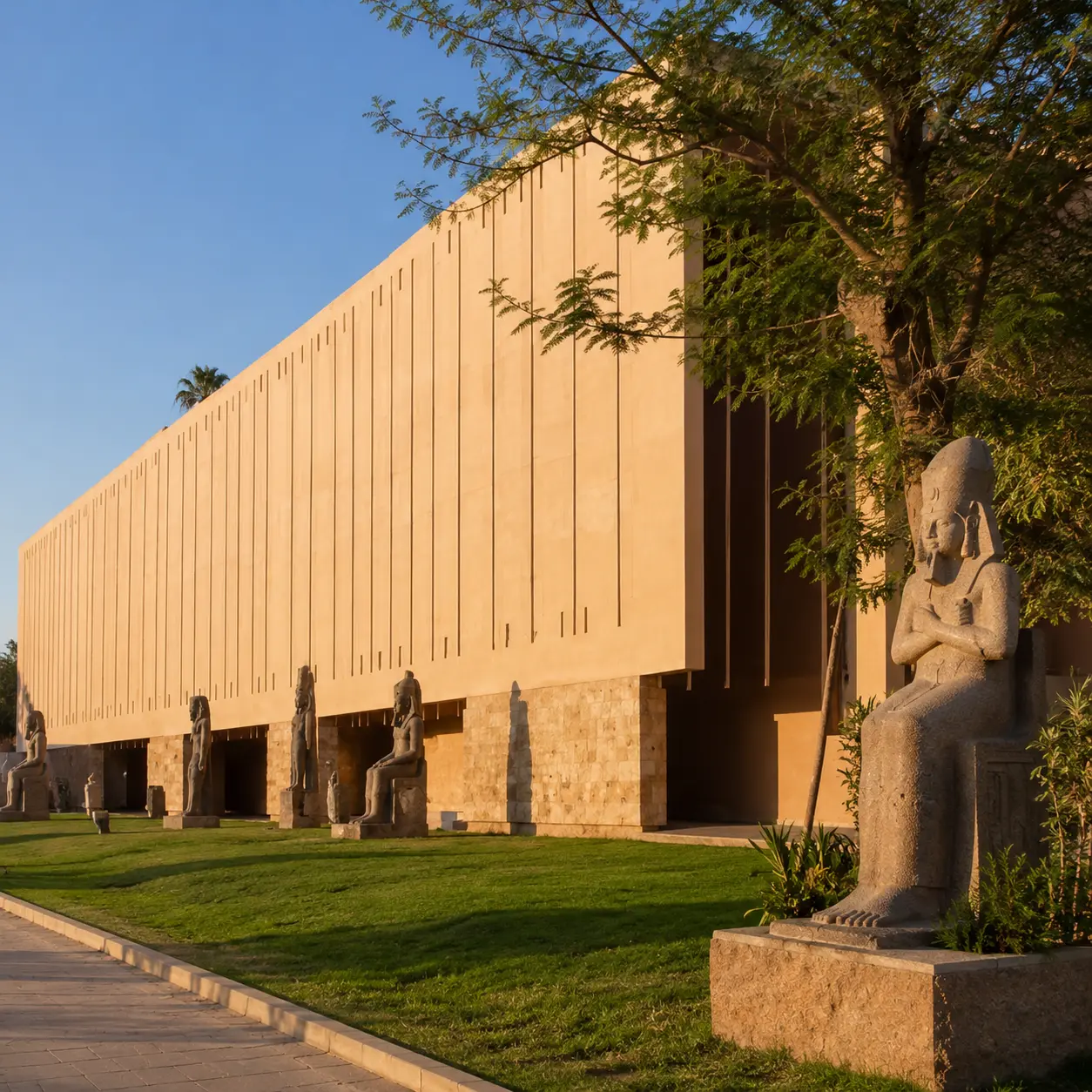
Luxor Museum
Luxor Museum is a refined Nile-side museum showcasing statues, reliefs, royal objects, and mummies from ancient Thebes. Compact, calm, and well curated, it is one of the best places in Luxor to understand the art and symbolism behind the city’s temples and tombs.


Plan your visit
- Opening hours
- Luxor Museum usually operates on a regular daily schedule, and hours may vary by season, holidays, or special arrangements. Check current opening times before setting out, especially if you plan to visit in the evening or fit it between multiple temple stops.
- Best time
- The best time to visit Luxor Museum is during the hotter part of the day, when open-air temples and tombs are less comfortable. It also works well in the late afternoon or evening if current hours allow, especially after a morning on the West Bank. Avoid treating it as a quick filler stop; the museum is small, but the best exhibits deserve unhurried viewing.
- Visit duration
- Plan around one to two hours for Luxor Museum. A quick visit is possible, but the museum is best enjoyed slowly, with time to read labels and revisit the strongest statue and relief displays.
- Category
- History & Ancient Wonders
- Location
About
Luxor Museum is one of Egypt’s most rewarding smaller museums: calm, well labelled by local standards, and focused on quality rather than quantity. It sits along the Nile Corniche in Luxor, making it easy to add between temple visits, especially if you want air-conditioning, context, and a slower look at the artistry behind the monuments.
The collection concentrates on ancient Thebes, the city that dominated Egypt during much of the New Kingdom. Instead of long rows of cases, you get a carefully edited display of statues, reliefs, jewellery, ritual objects, weapons, and funerary pieces from temples and tombs around Luxor. The lighting is low and theatrical, which helps you notice surfaces: polished black stone, carved muscles on royal statues, delicate inlays, and traces of paint on relief fragments.
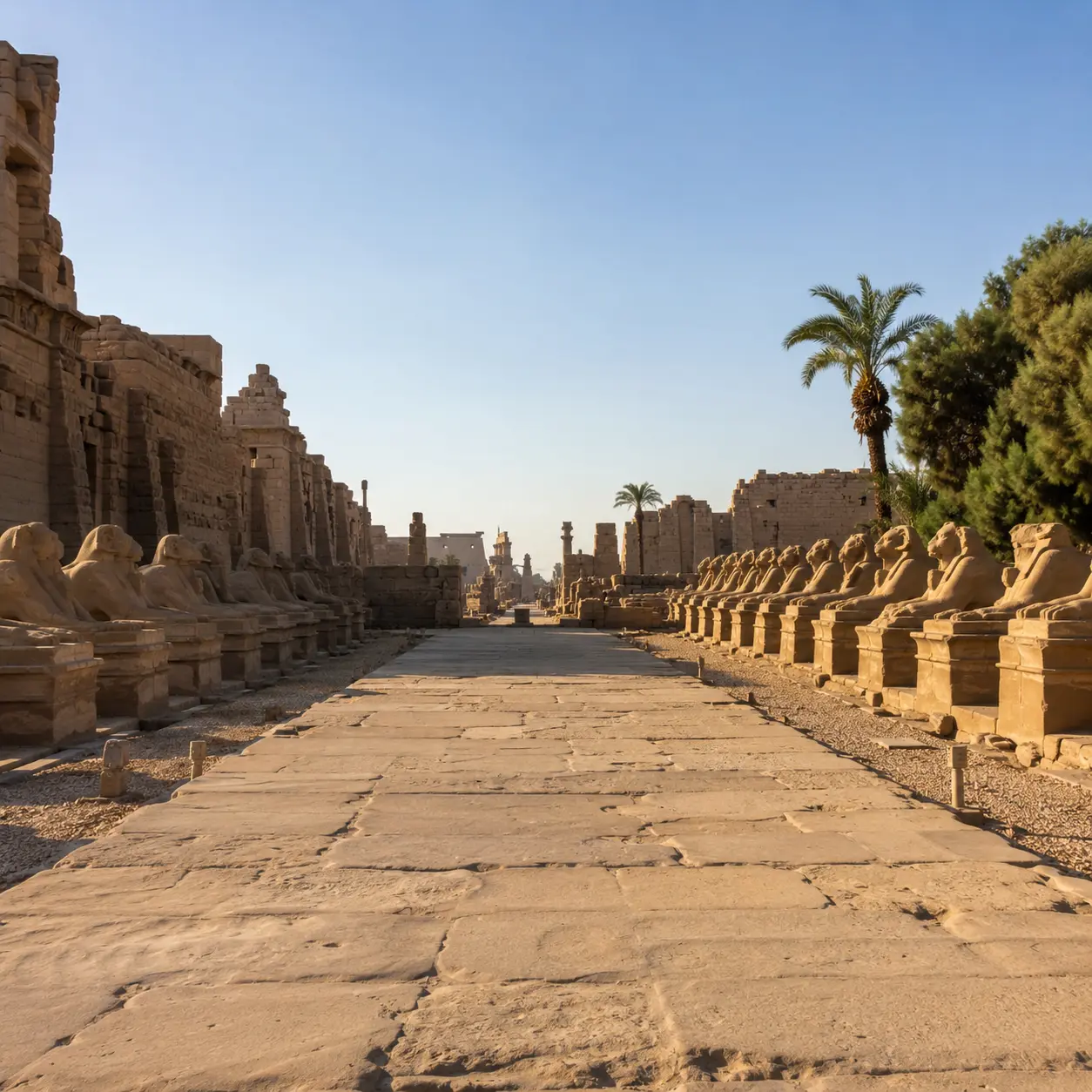
Travellers often visit after seeing Luxor’s riverside temple or before heading to Karnak’s vast temple precinct. That order works well because the museum explains the people, gods, and royal imagery you see on the walls outside. If you have already been to the royal tombs on the West Bank, the objects here can make the tomb scenes feel less abstract.
Among the most memorable displays are royal statues from the Luxor Temple cachette, pieces connected with Tutankhamun’s era, finely carved reliefs, and royal mummies presented in a sober, respectful setting. The museum is not huge, but it rewards attention. Give yourself enough time to read labels and circle back to the strongest pieces rather than rushing from case to case.
Luxor Museum is especially useful for first-time visitors who feel overwhelmed by the scale of Luxor’s ancient sites. Outdoors, the temples and tombs can be hot, bright, and crowded. Inside the museum, the story becomes quieter and easier to follow: how kings presented power, how craftsmen worked stone and wood, and how religious imagery linked the city to Amun, the Nile, and the afterlife.
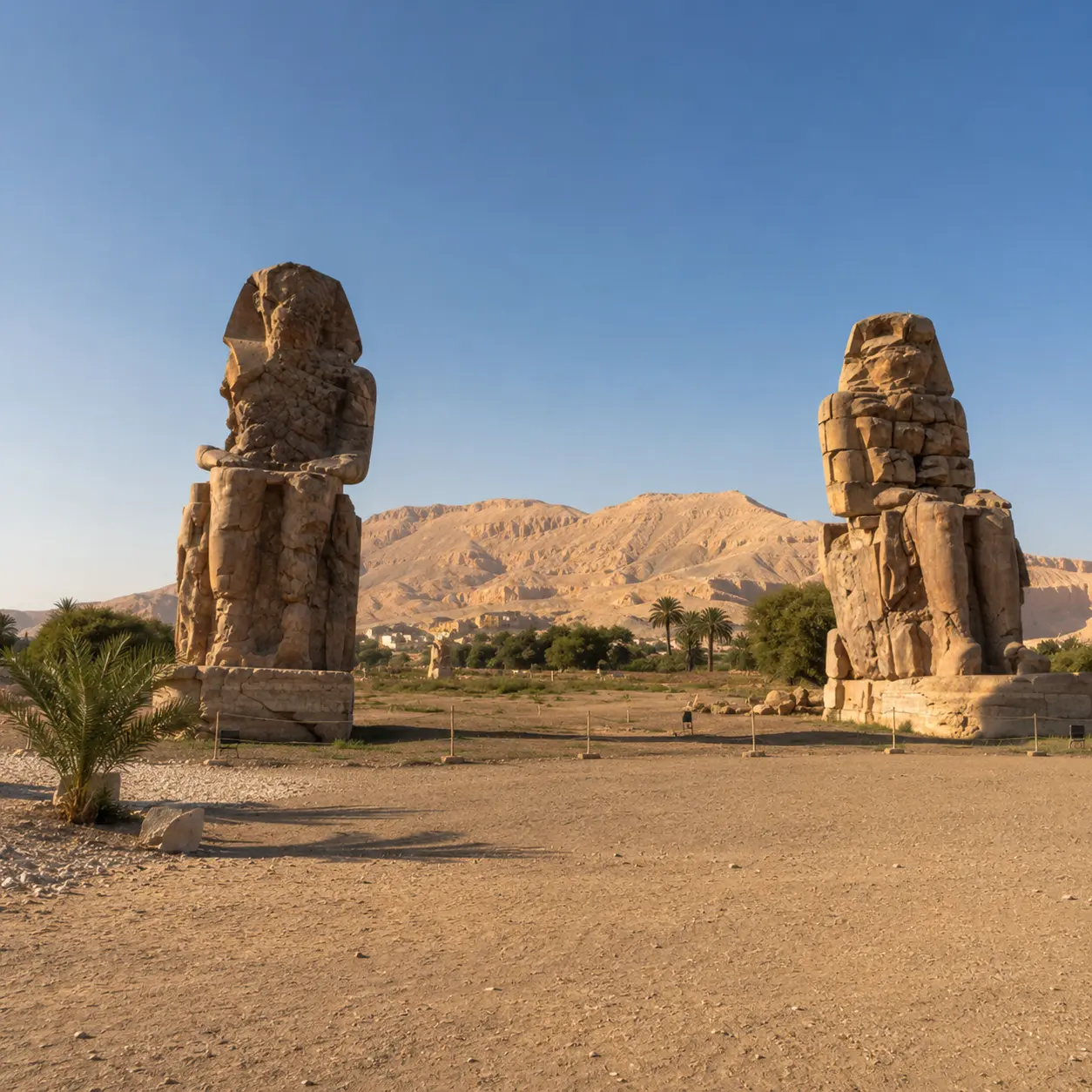
A good Luxor day can pair the museum with Colossi of Memnon or the West Bank temples if you want a balanced mix of open-air archaeology and indoor interpretation. It is also a smart choice for families, travellers who need a break from the sun, or anyone who prefers seeing fewer objects with better space around them.
Luxor Museum is one of Luxor's most-visited history & ancient wonders spots. Plan around The best time to visit Luxor Museum is during the hotter part of the day, when open-air temples and tombs are less comfortable. It also works well in the late afternoon or evening if current hours allow, especially after a morning on the West Bank. Avoid treating it as a quick filler stop; the museum is small, but the best exhibits deserve unhurried viewing. for the best conditions, and budget roughly Plan around one to two hours for Luxor Museum. A quick visit is possible, but the museum is best enjoyed slowly, with time to read labels and revisit the strongest statue and relief displays. on-site. Visit early to avoid crowds and heat.

Why travelers visit
Visit Luxor Museum to make sense of Luxor’s temples and tombs through a smaller, calmer, beautifully presented collection. It gives you close-up access to craftsmanship that can be hard to appreciate on large outdoor monuments: carved stone faces, royal symbols, ritual objects, and details from the world of ancient Thebes.
Highlights
 Carefully curated collection focused on ancient Thebes and the New Kingdom world of Luxor
- Elegant statue displays, including pieces connected with Luxor Temple discoveries
- Reliefs and objects that help explain temple art, royal imagery, and funerary beliefs
- Royal mummies presented in a quieter setting than Egypt’s larger museums
- Compact indoor visit that works well during Luxor’s hotter hours
Photos
1 photos
Know before you go
Practical tips to make the most of your visit.

What to wear
Wear comfortable clothes suitable for Luxor’s heat and modest enough for general sightseeing in Egypt. The museum is indoors and air-conditioned, so a light layer can be useful if you are sensitive to cool galleries. Comfortable walking shoes are still recommended, especially if you are combining the visit with temples or the Corniche.

Is a guide recommended?
Use Luxor Museum as a context stop, not just a cool room between temples. A good guide will point out how the museum’s statues, royal names, and religious symbols reappear on temple walls across Luxor, which makes the outdoor sites easier to read.

Common mistakes to avoid
- Visiting only as a rain-or-heat backup and not allowing enough time to read the labels.
- Expecting a huge museum like Cairo’s major collections; Luxor Museum is smaller and more selective.
- Skipping it before or after temple visits, even though it gives useful context for Luxor Temple, Karnak, and West Bank tombs.
- Assuming photography rules are always the same; check the current policy at entry before taking photos.
- Arriving with no cash or backup payment method, as ticketing arrangements can change.
Frequently asked questions
Is Luxor Museum worth visiting?
Yes, Luxor Museum is worth visiting because it explains ancient Thebes through a focused, high-quality collection rather than overwhelming visitors with thousands of objects. It is especially useful before or after seeing Luxor Temple, Karnak, or the West Bank tombs.
How long do you need at Luxor Museum?
Most travellers spend about one to two hours at Luxor Museum. Allow more time if you like reading labels closely or want a slower, air-conditioned break between outdoor sites.
What can you see inside Luxor Museum?
Luxor Museum is known for carefully displayed statues, reliefs, objects from the Theban area, royal-era pieces, and mummies. Its strength is the clarity of the display and the direct connection to Luxor’s temples and tombs.
Is Luxor Museum good for children?
Luxor Museum can be suitable for children because it is compact, calm, and easier to navigate than large museums. Families should keep the visit short and point out details like crowns, animal forms, jewellery, and carved faces to hold attention.
Do you need a guide for Luxor Museum?
You can visit Luxor Museum without a guide, as many displays have useful labels. A guide is helpful if you want the objects connected to specific kings, temples, and tomb scenes you are seeing elsewhere in Luxor.
Can you take photos in Luxor Museum?
Photography rules can change, so ask at the entrance before taking photos. Some museums allow photography in certain areas while restricting flash, video, tripods, or photography of specific displays.
What should I combine with Luxor Museum?
Luxor Museum pairs best with Luxor Temple, Karnak Temple, or a West Bank morning that includes the Valley of the Kings. It gives context without adding another long outdoor walk in the heat.
Visitor info
- Opening hours
- Luxor Museum usually operates on a regular daily schedule, and hours may vary by season, holidays, or special arrangements. Check current opening times before setting out, especially if you plan to visit in the evening or fit it between multiple temple stops.
- Recommended visit
- Plan around one to two hours for Luxor Museum. A quick visit is possible, but the museum is best enjoyed slowly, with time to read labels and revisit the strongest statue and relief displays.
- Best time to visit
- The best time to visit Luxor Museum is during the hotter part of the day, when open-air temples and tombs are less comfortable. It also works well in the late afternoon or evening if current hours allow, especially after a morning on the West Bank. Avoid treating it as a quick filler stop; the museum is small, but the best exhibits deserve unhurried viewing.
- Category
- History & Ancient Wonders
How to get there
Open in Google Maps
Reviews

Find guided Egypt tours that include this attraction.