Tombs of the Nobles
The Tombs of the Nobles in Luxor reveal the private world of ancient Egyptian officials, priests, scribes, and families through painted scenes of work, worship, banquets, farming, and daily life on the West Bank.


Plan your visit
- Opening hours
- The Tombs of the Nobles are generally visited during daytime archaeological site hours, but exact times and open tombs can change by season, conservation work, and local management. Go earlier in the day for cooler weather and confirm current access through an official ticket office, your hotel, or a licensed guide before travelling to the West Bank.
- Best time
- The best time to visit the Tombs of the Nobles is early morning or late afternoon, when the West Bank is cooler and the light on the hills is softer. The cooler months are more comfortable for walking between tomb areas. If visiting in summer, start as early as possible, carry water, and keep the visit focused rather than trying to cover too many tombs.
- Visit duration
- Plan about one to two hours for a satisfying visit to selected tombs. If you are an archaeology enthusiast, travelling with a guide, or combining several tomb groups, allow a half day on the West Bank.
- Category
- History & Ancient Wonders
- Location
About
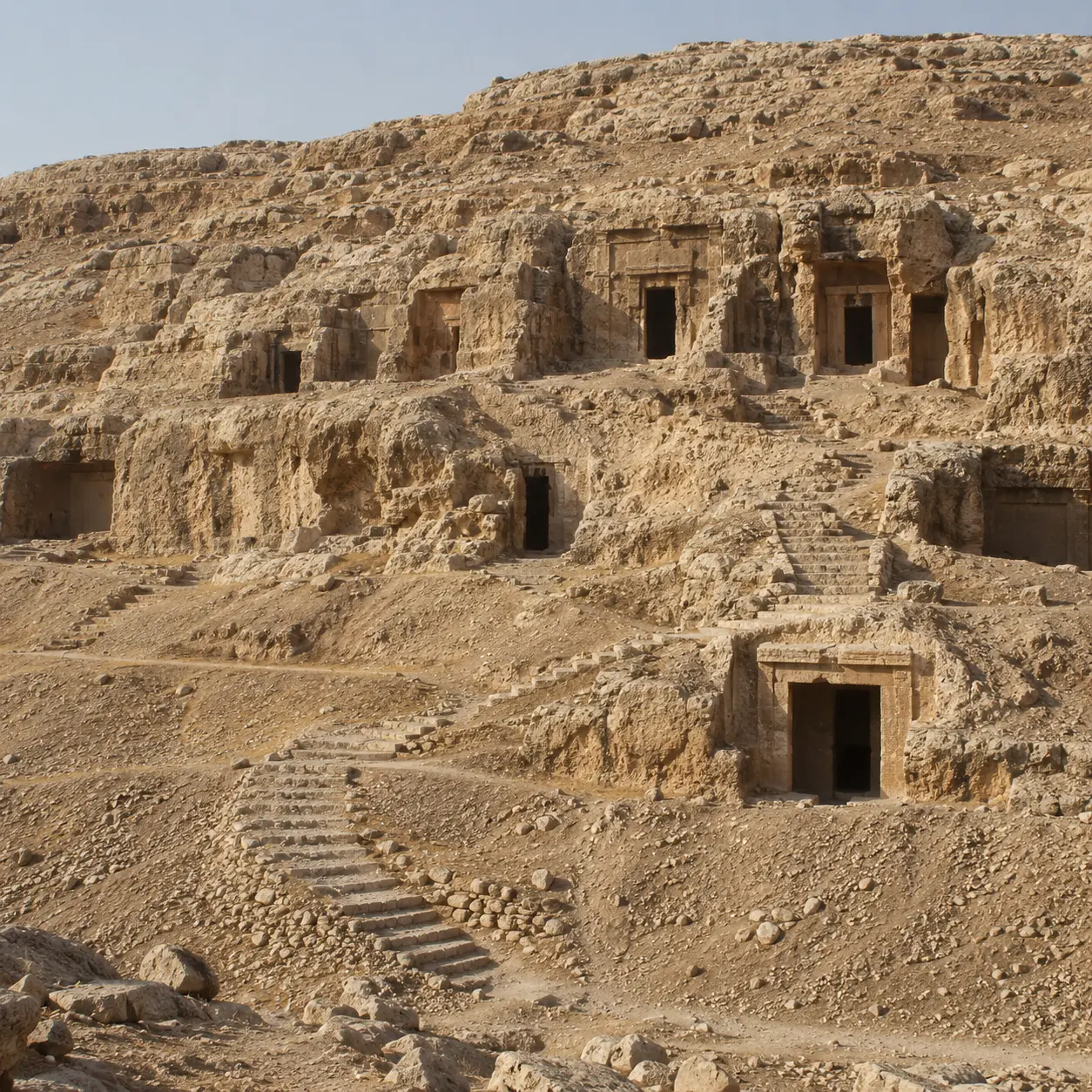
The Tombs of the Nobles in Luxor are a spread-out group of private tombs cut into the limestone hills of the West Bank. They belonged to officials, priests, scribes, governors, and craftsmen rather than kings. That difference changes the whole mood of the visit. Instead of royal power and underworld drama, you see banquets, hunting scenes, grape harvesting, musicians, servants, gardens, boats, and family moments painted with astonishing care.
Most visitors come to Luxor’s West Bank for the pharaohs at the Valley of the Kings, then leave before seeing these quieter tombs. That is a shame. The Tombs of the Nobles often feel more personal. A nobleman might be shown inspecting fields, receiving offerings, or sitting with his wife while guests arrive with flowers and jars of wine. The colours can still be vivid: rust-red skin tones, white linen, blue water, black wigs, green vines, and yellow desert ground.
The site is not one single tomb entrance. It is a collection of tomb clusters around areas such as Sheikh Abd el-Qurna, Dra Abu el-Naga, El-Khokha, and Asasif. Tickets are usually sold in groups, and not every tomb is open at the same time. Some are closed for conservation, some are opened on rotation, and some require separate arrangements. This is one place where a good local guide makes a real difference, because the best route depends on what is open that day and how much time you have.
Several tombs are especially valued for their painted scenes. Tombs associated with figures such as Nakht, Menna, Ramose, Rekhmire, and Sennefer are often mentioned by guides because they show different styles, periods, and social roles. You do not need to memorise names before you go. The pleasure is in slowing down: a woman adjusting a necklace, a servant carrying geese, rows of scribes recording produce, a painted ceiling that imitates a vineyard canopy.
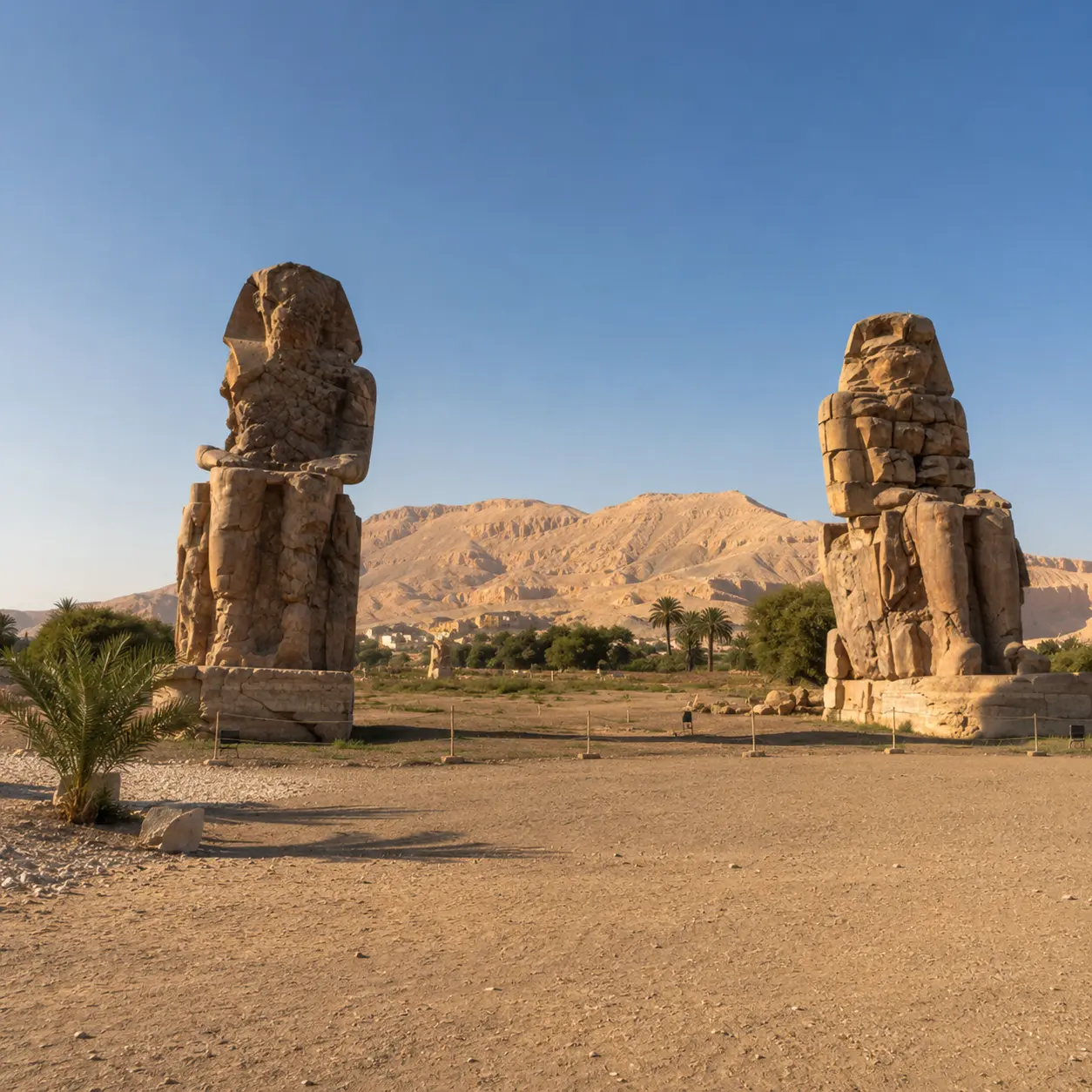
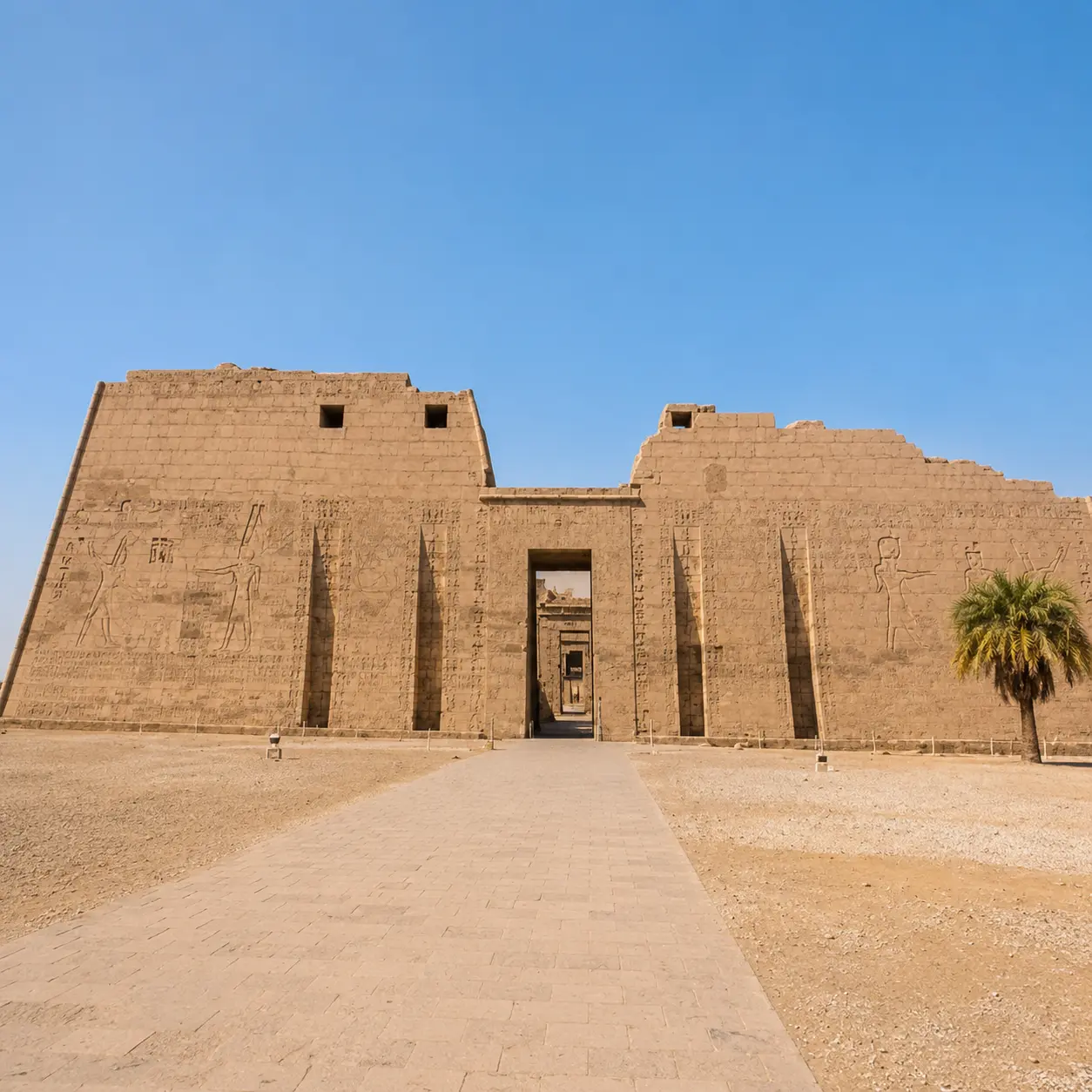
The Tombs of the Nobles pair well with nearby West Bank sites. If you want a full ancient Thebes day, combine them with the Temple of Hatshepsut, the Colossi of Memnon, or Medinet Habu, reached through our guide to Habu Temple. For travellers who love relief carving and royal mortuary temples, the Ramesseum area is another strong match. If your time in the city is short, build the visit into a wider Luxor travel plan rather than treating it as a quick add-on.
Go prepared for simple conditions. The ground is dusty and uneven, the sun can be sharp even outside peak summer, and the tomb chambers are small. Flash photography is normally restricted, and rules can change, so ask before taking photos. Inside the tombs, keep your hands away from painted walls. The surfaces are ancient, fragile, and far more delicate than they look.
Tombs of the Nobles is one of Luxor's most-visited history & ancient wonders spots. Plan around The best time to visit the Tombs of the Nobles is early morning or late afternoon, when the West Bank is cooler and the light on the hills is softer. The cooler months are more comfortable for walking between tomb areas. If visiting in summer, start as early as possible, carry water, and keep the visit focused rather than trying to cover too many tombs. for the best conditions, and budget roughly Plan about one to two hours for a satisfying visit to selected tombs. If you are an archaeology enthusiast, travelling with a guide, or combining several tomb groups, allow a half day on the West Bank. on-site. Visit early to avoid crowds and heat.

Why travelers visit
Visit the Tombs of the Nobles to see ancient Egypt at a human scale. The royal sites show power and eternity; these tombs show work, food, gardens, families, music, and memory. For many travellers, they become one of Luxor’s most rewarding stops because the paintings feel immediate and personal.
Highlights
 Painted scenes of farming, fishing, feasting, music, family life, and offerings from ancient Thebes.
- A quieter West Bank experience compared with the royal tombs, especially outside peak group-tour hours.
- Insight into the lives of officials, priests, scribes, and administrators who served the pharaohs.
- Fine examples of New Kingdom tomb painting, with lively human figures and detailed everyday objects.
- Easy to combine with the Valley of the Kings, Temple of Hatshepsut, Colossi of Memnon, Habu Temple, and the Ramesseum.
Photos
1 photos
Know before you go
Practical tips to make the most of your visit.

What to wear
Wear light, breathable clothing, a hat, sunglasses, and comfortable closed shoes with grip. The paths can be dusty and uneven, and there is limited shade between tombs. Modest clothing is practical for rural West Bank areas and helps protect your skin from the sun. Bring water and avoid heavy bags inside the small chambers.

Is a guide recommended?
Choose three or four tombs and give them time. The magic of this site is in small details: a painted goose, a harpist’s fingers, a garden pool, a scribe’s neat posture. If a guardian points out a detail, agree any tip politely and clearly; keep it modest, and never let anyone pressure you into touching walls or entering closed areas.

Common mistakes to avoid
- Arriving without checking which tomb groups are open that day; access can change because of conservation or site management.
- Trying to see too many tombs in one visit; the painted details are easier to appreciate when you choose fewer and go slowly.
- Assuming the site is like the Valley of the Kings; these are smaller private tombs with more intimate scenes, not royal burial corridors.
- Wearing smooth sandals or dress shoes; dusty slopes and uneven stone paths are common.
- Touching painted walls or leaning on reliefs while taking photos; the decoration is fragile and should be treated carefully.
- Skipping a guide if you are interested in meaning; the scenes are beautiful on their own, but context brings the tombs to life.
Frequently asked questions
Are the Tombs of the Nobles worth visiting in Luxor?
The Tombs of the Nobles are worth visiting if you want to see ancient Egyptian daily life, not just royal monuments. Their painted scenes show farming, music, family rituals, work, and offerings in a more personal style than many royal tombs.
How long do you need at the Tombs of the Nobles?
You should allow around one to two hours for a focused visit to selected tombs. Add more time if you are combining the site with other West Bank attractions or visiting several tomb groups.
Where are the Tombs of the Nobles located?
The Tombs of the Nobles are on Luxor’s West Bank, mainly around hillside areas such as Sheikh Abd el-Qurna, El-Khokha, Dra Abu el-Naga, and Asasif. They are spread across several clusters rather than one single entrance.
How are the Tombs of the Nobles different from the Valley of the Kings?
The main difference is that the Valley of the Kings contains royal tombs, while the Tombs of the Nobles belonged to high officials, priests, scribes, and administrators. The nobles’ tombs are often smaller but richer in everyday scenes.
Can you take photos inside the Tombs of the Nobles?
Photography rules vary, so ask at the entrance or follow your guide’s advice before taking photos. Flash is commonly restricted because it can harm painted surfaces and disturb other visitors.
Do you need a guide for the Tombs of the Nobles?
A guide is highly recommended at the Tombs of the Nobles because the site is spread out and the scenes are full of symbolic detail. You can visit independently, but a guide helps you choose the best open tombs and understand what you are seeing.
Are the Tombs of the Nobles suitable for children?
The Tombs of the Nobles are not ideal for small children who struggle with heat, dust, and quiet indoor spaces. Older children with an interest in art, stories, and ancient life may enjoy the colourful scenes if the visit is kept short.
Visitor info
- Opening hours
- The Tombs of the Nobles are generally visited during daytime archaeological site hours, but exact times and open tombs can change by season, conservation work, and local management. Go earlier in the day for cooler weather and confirm current access through an official ticket office, your hotel, or a licensed guide before travelling to the West Bank.
- Recommended visit
- Plan about one to two hours for a satisfying visit to selected tombs. If you are an archaeology enthusiast, travelling with a guide, or combining several tomb groups, allow a half day on the West Bank.
- Best time to visit
- The best time to visit the Tombs of the Nobles is early morning or late afternoon, when the West Bank is cooler and the light on the hills is softer. The cooler months are more comfortable for walking between tomb areas. If visiting in summer, start as early as possible, carry water, and keep the visit focused rather than trying to cover too many tombs.
- Category
- History & Ancient Wonders
How to get there
Open in Google Maps
Reviews

Find guided Egypt tours that include this attraction.