Valley of the Queens
The Valley of the Queens in Luxor is a New Kingdom burial site for royal women and children, known for painted tombs and the celebrated Tomb of Nefertari.


Plan your visit
- Opening hours
- The Valley of the Queens usually opens during daytime archaeological site hours, with schedules that may shift by season, security arrangements, or conservation work. Confirm current opening times locally before you go, especially if you want to visit a special tomb.
- Best time
- Go early in the day when the West Bank is cooler and the light on the limestone hills is soft. The most comfortable season is generally the cooler part of the year, while summer visits are best kept brief and well hydrated.
- Visit duration
- Plan around one to two hours for the Valley of the Queens. A quick visit may cover the open tombs, while a slower visit with a guide and a special tomb entry can take longer.
- Category
- History & Ancient Wonders
- Location
About
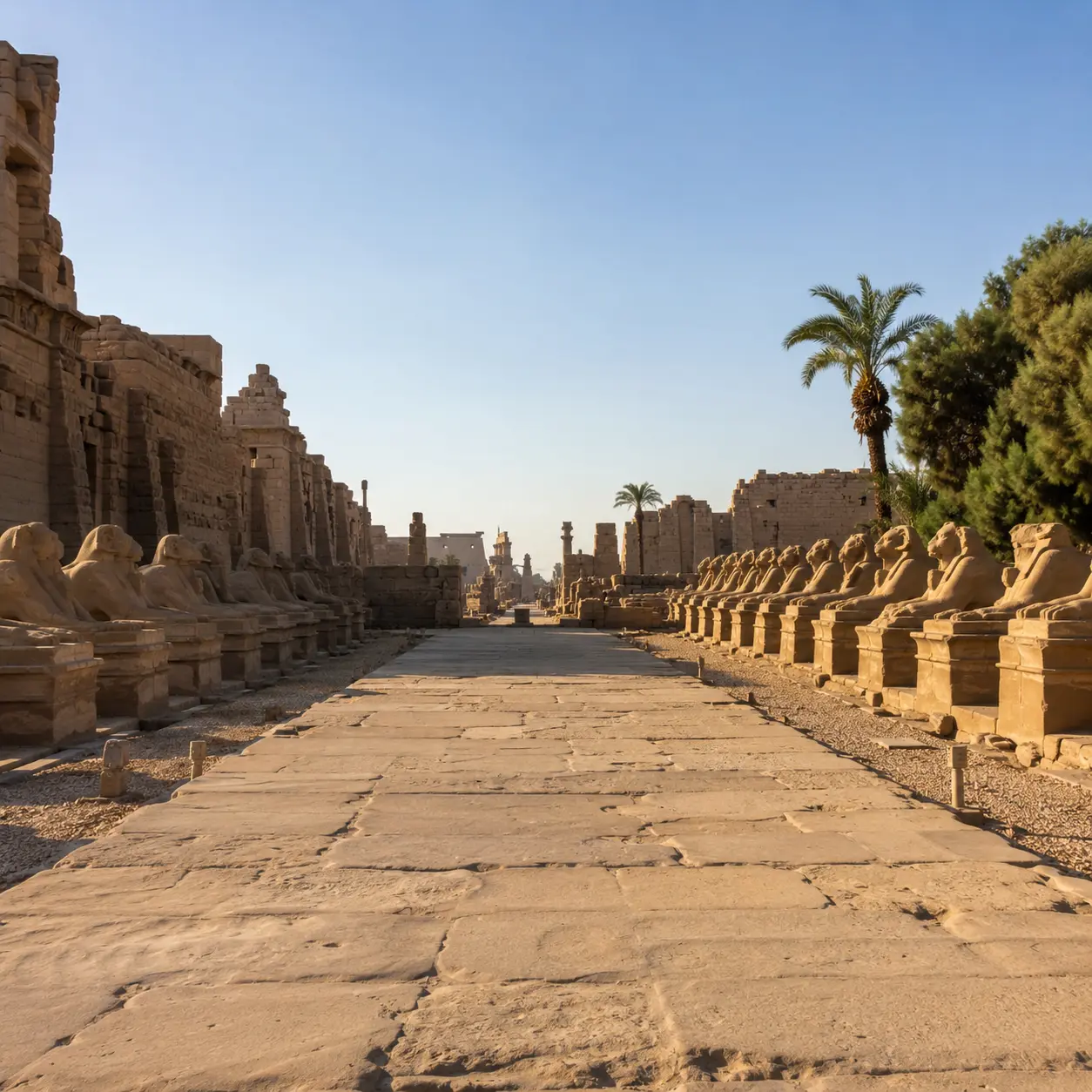
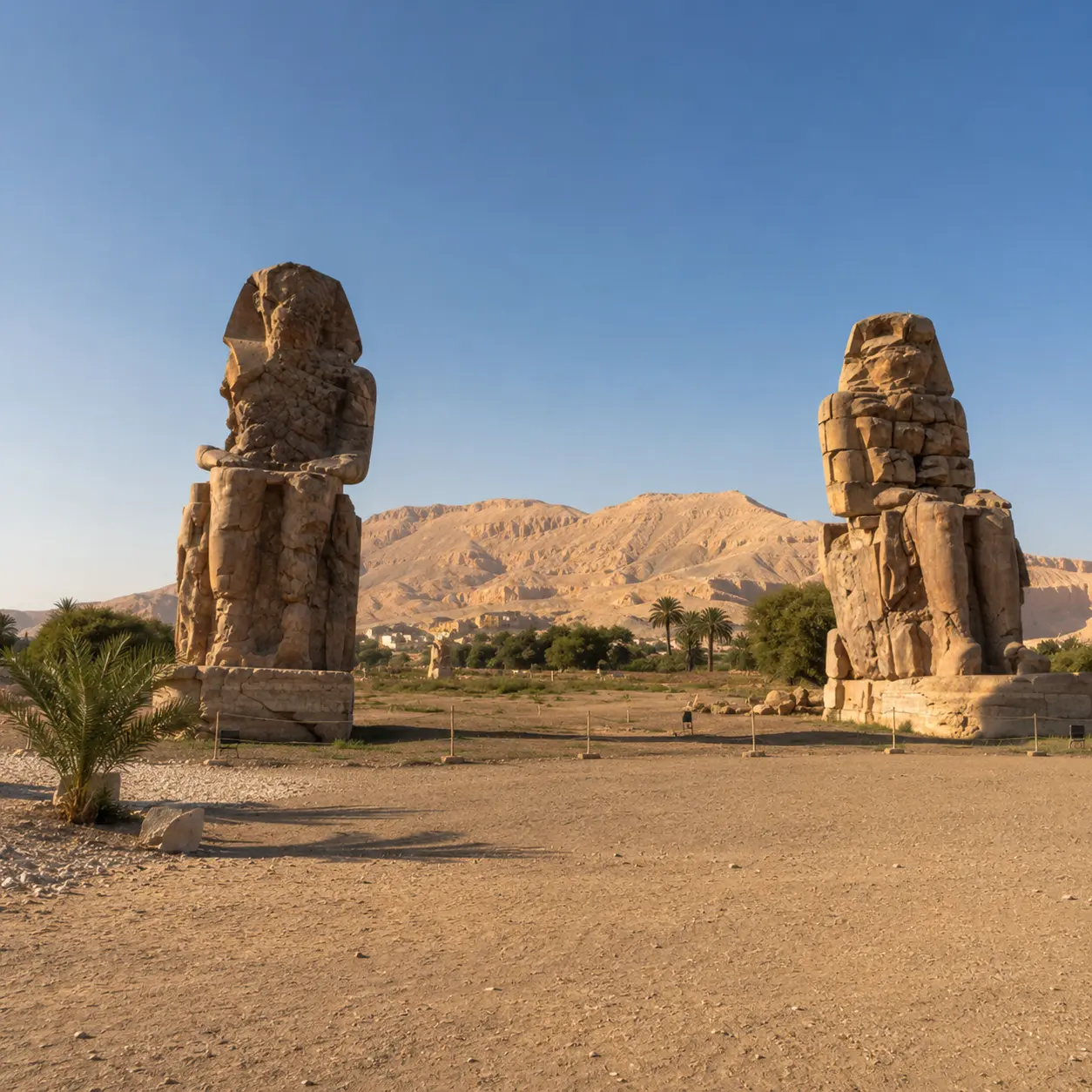
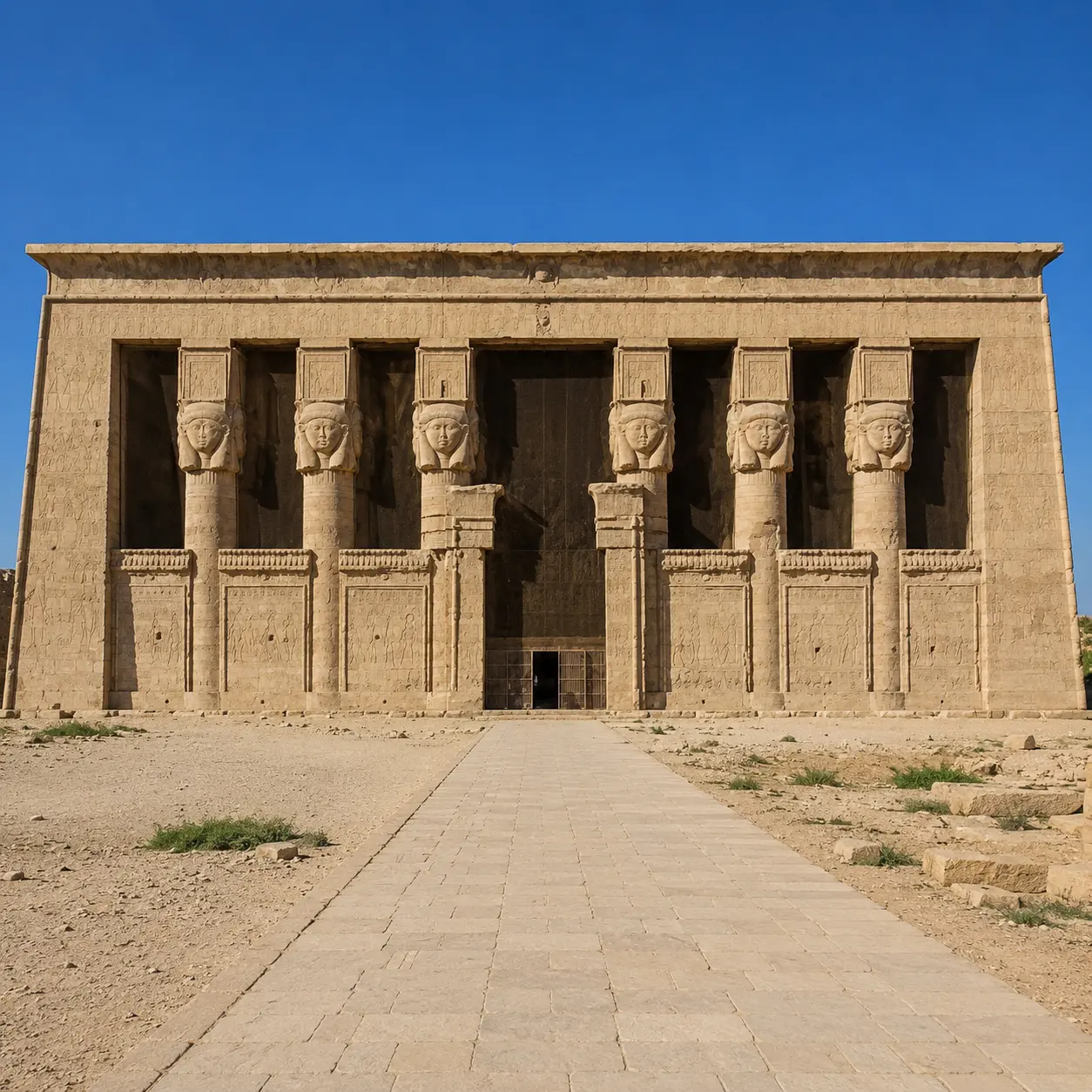
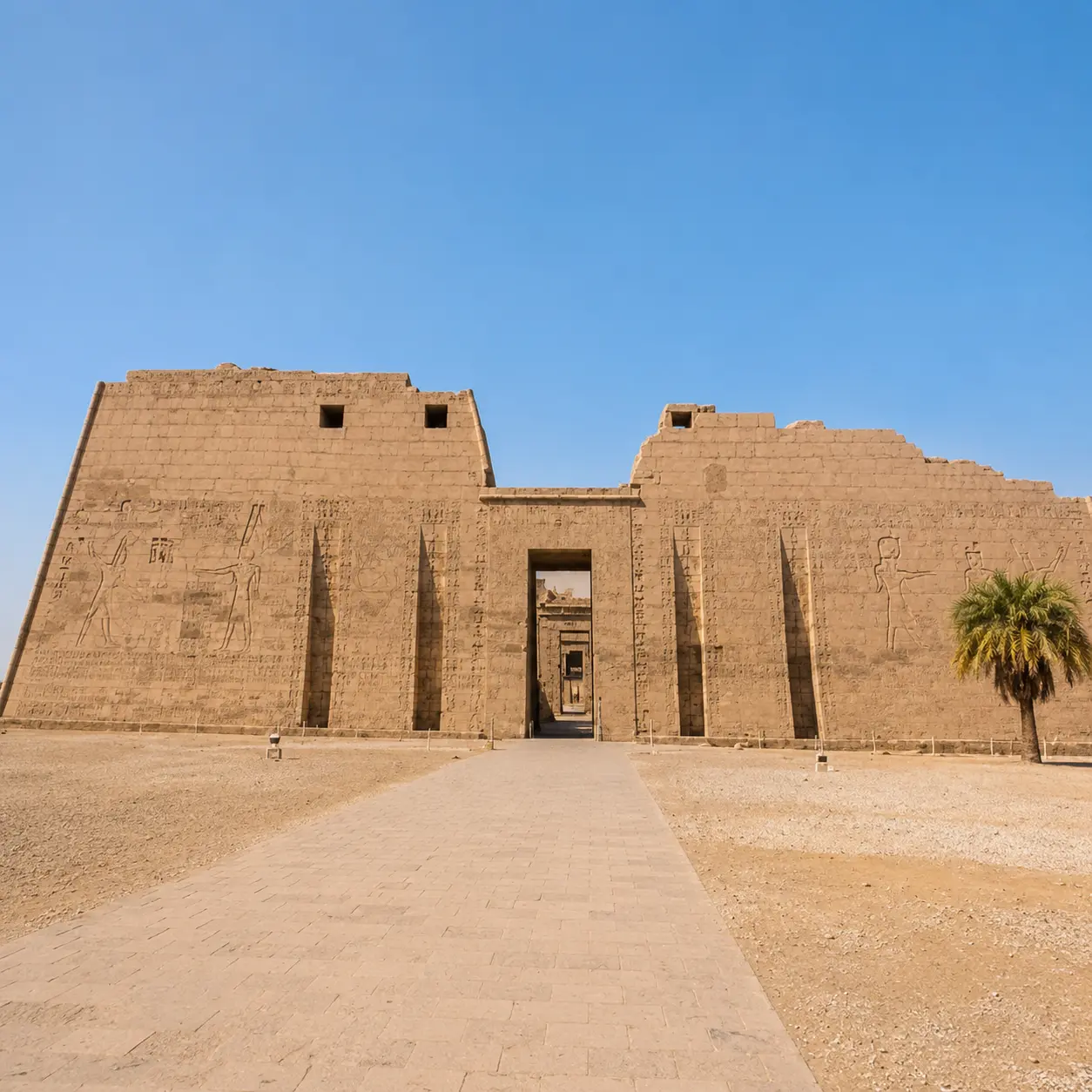
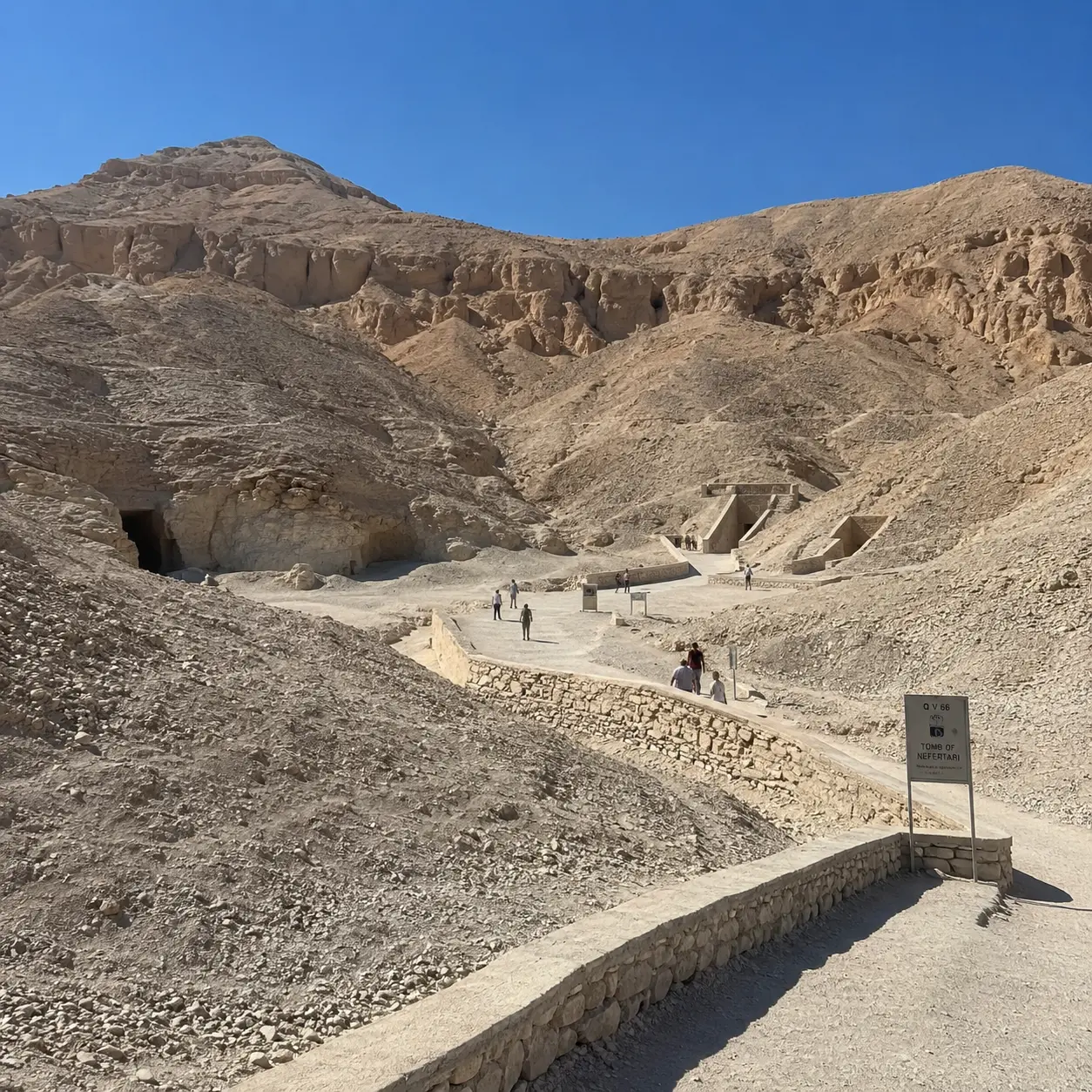
The Valley of the Queens is one of Luxor’s quieter royal burial landscapes, set in the dry limestone hills of the West Bank. It was used mainly during Egypt’s New Kingdom for queens, royal children, and members of the pharaonic household. Compared with the nearby royal tombs of the Valley of the Kings, the atmosphere here is usually calmer: pale cliffs, gravel paths, and tomb entrances that drop suddenly from the desert floor into painted chambers.
The site’s great name is the Tomb of Queen Nefertari, wife of Ramesses II. It is famous for its unusually fine wall paintings, where deep blues, soft whites, and crisp outlines still feel startlingly fresh. Access to Nefertari’s tomb is controlled for conservation and often requires a separate ticket, so it is best treated as a special addition rather than something to assume is included in a standard visit.
Even without Nefertari, the Valley of the Queens rewards slow looking. The tombs that are open can change, but visitors may see scenes of royal children, protective goddesses, offerings, and passages from ancient Egyptian funerary beliefs. The scale is more intimate than many royal tombs, which makes the details easier to read when a guide explains the symbols.
Most travellers visit the valley as part of a West Bank route with the Temple of Hatshepsut at Deir el-Bahari and other Theban sites. If you are staying longer in Luxor, pair the West Bank with the East Bank monuments on a separate day, such as Luxor Temple after sunset or the vast courts and pylons of Karnak’s temple complex. This keeps the tomb visit from turning into a rushed checklist.
The best way to experience the Valley of the Queens is with context and patience. The desert is stark, the tombs are small, and photography rules can be strict, but the reward is a closer view of how Egypt imagined protection, rebirth, and royal memory beyond the pharaoh himself.
Valley of the Queens is one of Luxor's most-visited history & ancient wonders spots. Plan around Go early in the day when the West Bank is cooler and the light on the limestone hills is soft. The most comfortable season is generally the cooler part of the year, while summer visits are best kept brief and well hydrated. for the best conditions, and budget roughly Plan around one to two hours for the Valley of the Queens. A quick visit may cover the open tombs, while a slower visit with a guide and a special tomb entry can take longer. on-site. Visit early to avoid crowds and heat.

Why travelers visit
Visit the Valley of the Queens for a more intimate side of royal Luxor. The site shows how queens and royal children were prepared for the afterlife, with painted tombs that reveal the artistry, symbolism, and personal dimension of New Kingdom burial traditions.
Highlights
 The celebrated Tomb of Queen Nefertari, when open and available with the required ticket
- A quieter West Bank setting with limestone cliffs and desert paths
- Painted tomb chambers linked to queens, princes, and royal household members
- Close-up funerary scenes showing protection, offerings, and rebirth beliefs
- Easy pairing with other Luxor West Bank sites in a half-day route
Photos
1 photos
Know before you go
Practical tips to make the most of your visit.

What to wear
Wear light breathable clothing, comfortable walking shoes, sunglasses, a hat, and sunscreen. Modest dress is practical for Egypt’s archaeological sites, and a light scarf can help with sun and dust on the West Bank.

Is a guide recommended?
Ask your guide to explain a few repeated symbols before you enter the tombs: protective wings, offering tables, solar imagery, and the figures of Isis, Nephthys, and Hathor. Once you recognise them, the paintings become much easier to follow instead of feeling like decoration.

Common mistakes to avoid
- Assuming the Tomb of Nefertari is included in every standard ticket; it is usually handled separately and access can be limited.
- Trying to see too many West Bank sites in one morning, which makes the tombs blur together.
- Arriving without cash or a card backup for ticketing changes and site add-ons.
- Using flash or ignoring photography rules inside tombs; restrictions are there to protect fragile paintings.
- Wearing sandals with thin soles, which can be uncomfortable on gravel, steps, and hot stone.
Frequently asked questions
Is the Valley of the Queens worth visiting?
Yes, the Valley of the Queens is worth visiting if you enjoy ancient Egyptian art and want a quieter West Bank tomb experience. Its smaller tombs offer close-up views of painted scenes, and Nefertari’s tomb is one of Egypt’s most admired painted interiors when open to visitors.
Is the Tomb of Nefertari included in the ticket?
The Tomb of Nefertari is not always included in the standard Valley of the Queens ticket. It commonly requires a separate ticket, and access may be limited to protect the wall paintings.
How long do you need at the Valley of the Queens?
Most visitors spend about one to two hours at the Valley of the Queens. Allow more time if you plan to enter a special tomb, visit with a guide, or combine it slowly with nearby West Bank sites.
Where is the Valley of the Queens located?
The Valley of the Queens is on Luxor’s West Bank, not far from the Valley of the Kings and the Temple of Hatshepsut. Travellers usually reach it by private car, guided tour vehicle, taxi, or as part of a West Bank itinerary.
Can you take photos inside the tombs?
Photography rules vary by tomb and can change, so check the signs and ask staff before taking photos. Flash should be avoided because the paintings are fragile and conservation rules are taken seriously.
Is the Valley of the Queens crowded?
The Valley of the Queens is generally less crowded than the Valley of the Kings. It can still become busy when tour groups arrive, especially in the cooler morning hours.
Visitor info
- Opening hours
- The Valley of the Queens usually opens during daytime archaeological site hours, with schedules that may shift by season, security arrangements, or conservation work. Confirm current opening times locally before you go, especially if you want to visit a special tomb.
- Recommended visit
- Plan around one to two hours for the Valley of the Queens. A quick visit may cover the open tombs, while a slower visit with a guide and a special tomb entry can take longer.
- Best time to visit
- Go early in the day when the West Bank is cooler and the light on the limestone hills is soft. The most comfortable season is generally the cooler part of the year, while summer visits are best kept brief and well hydrated.
- Category
- History & Ancient Wonders
How to get there
Open in Google Maps
Reviews

Find guided Egypt tours that include this attraction.