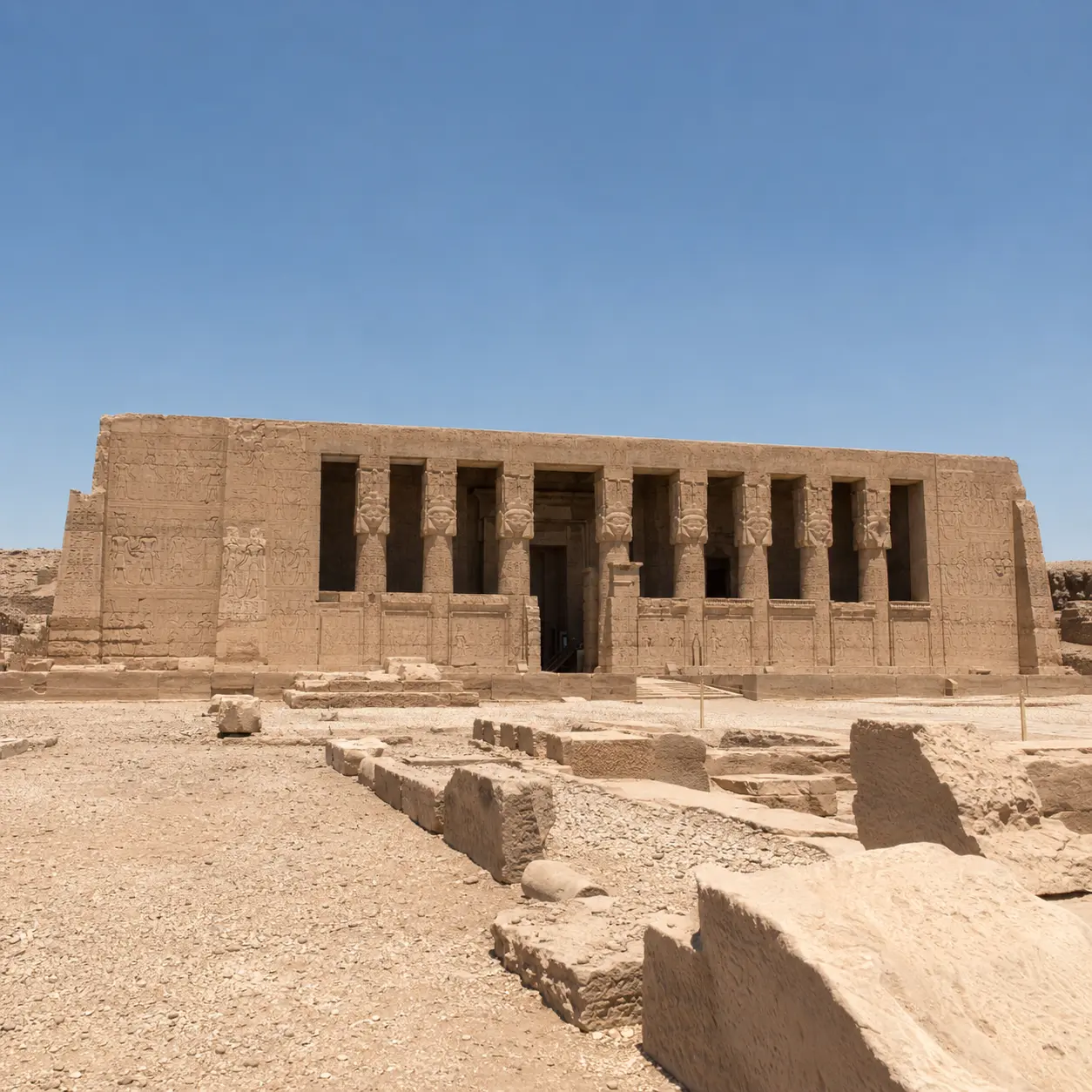
Temple of Seti I
The Temple of Seti I in Luxor is a quiet New Kingdom mortuary temple on the West Bank, valued for its royal history, open atmosphere, and links to ancient Thebes.


Plan your visit
- Opening hours
- The Temple of Seti I generally follows daytime antiquities-site visiting patterns on Luxor’s West Bank. Hours can vary by season, security arrangements, and local authority decisions, so confirm the current schedule before travelling, especially if you plan to visit late in the day.
- Best time
- Early morning is the most comfortable time to visit the Temple of Seti I, especially in warmer months. Late afternoon can also be pleasant for softer light, but always confirm current closing arrangements locally before planning a late visit. Avoid the strongest midday sun if you are combining several West Bank sites.
- Visit duration
- Plan around 30 to 45 minutes for a standard visit, or up to an hour if you are touring with a guide and want to understand the historical details. It is easy to combine with other Luxor West Bank sites in the same half-day.
- Category
- History & Ancient Wonders
- Location
About
What is the Temple of Seti I in Luxor?
The Temple of Seti I in Luxor is a quiet West Bank mortuary temple at Qurna, built for Pharaoh Seti I of the 19th Dynasty and associated with the royal cult, Amun-Re, and the sacred landscape of Thebes. It is not the famous Abydos temple of Seti I; this is the Luxor monument, set among the West Bank fields and desert edge, with a more stripped-back atmosphere than the major tour-bus stops.
What makes it rewarding is the pace. You can often hear the gravel under your shoes, the call of birds from the cultivation nearby, and the wind moving across the open courts. The temple is partly ruined, so do not expect a complete sanctuary like Luxor’s great riverside temple or the huge scale of Karnak’s temple precinct. Instead, come for context: this is where the story of New Kingdom kingship becomes quieter, more local, and easier to read without crowds pressing behind you.
Why this temple matters
Seti I ruled before Ramesses II and helped restore Egypt’s power after the upheavals of the late 18th Dynasty. His Luxor mortuary temple belongs to the same West Bank world as royal tombs, funerary temples, workmen’s villages, and noble burial grounds. It was part of a sacred geography where kings were honoured after death and linked symbolically to the gods of Thebes.
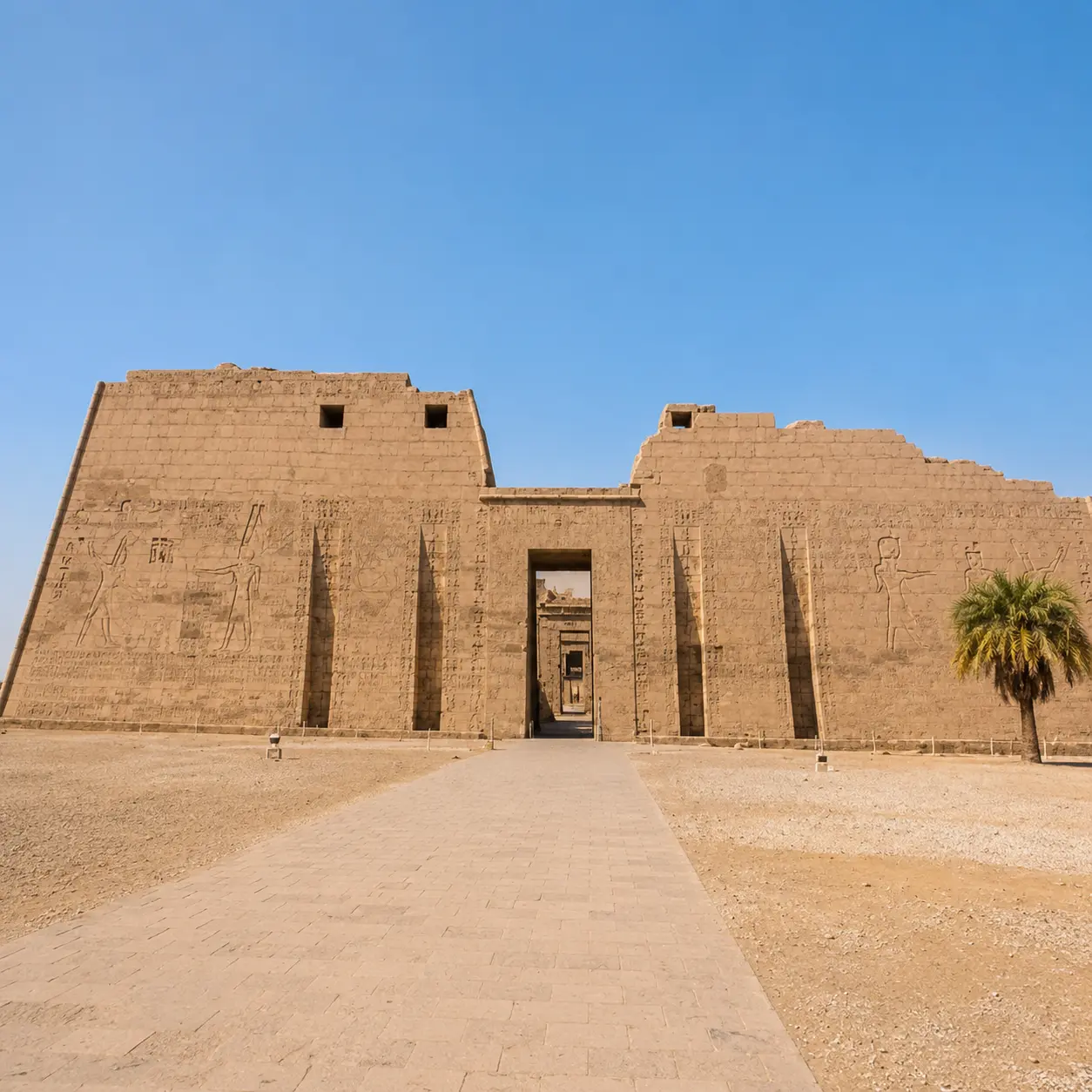
The surviving architecture shows the bones of a royal memorial temple: courts, columned areas, relief fragments, and sanctuaries that once formed a ceremonial route. Some decoration was completed or added under Ramesses II, which is common in monuments connected to Seti I. If you are visiting with a guide, ask them to point out where the original Seti program ends and later royal work begins; it is one of the more interesting details here.
What you will see on-site
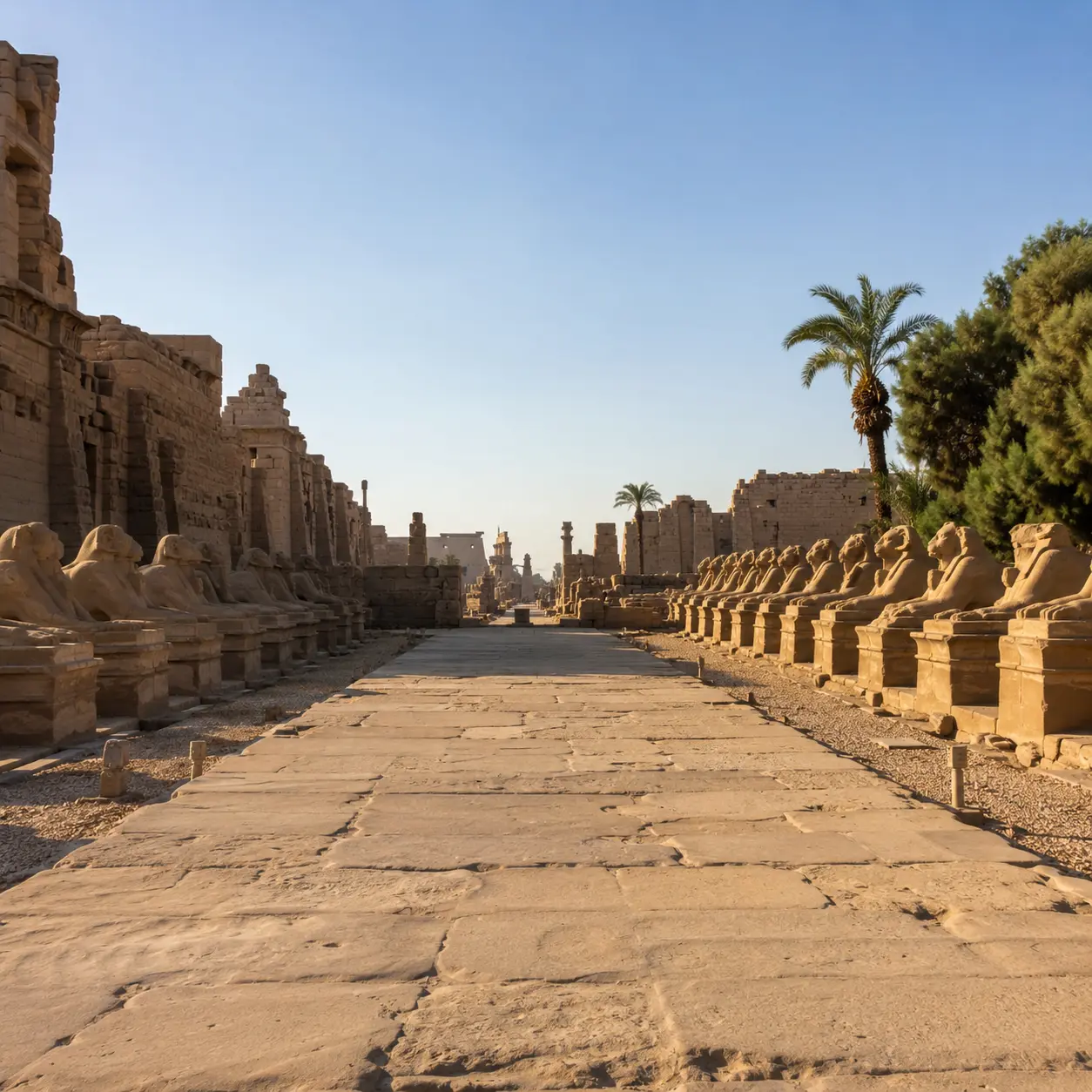
The first impression is openness. The temple does not overwhelm you with height; it spreads low across the ground, its walls and columns framing views toward the Theban cliffs. In the right light, carved lines on stone surfaces become easier to see: figures of the king before deities, offering scenes, and traces of formal temple decoration.
Because the monument is fragmentary, a guide or a little preparation helps. The layout makes far more sense when you understand that this was not a daily worship temple for the general public, but a royal memorial complex tied to ritual, legitimacy, and the afterlife. Think of it as one piece in a West Bank chain that includes the Valley of the Kings, the Temple of Hatshepsut, the Ramesseum, and Habu Temple.
How to fit it into a Luxor West Bank day
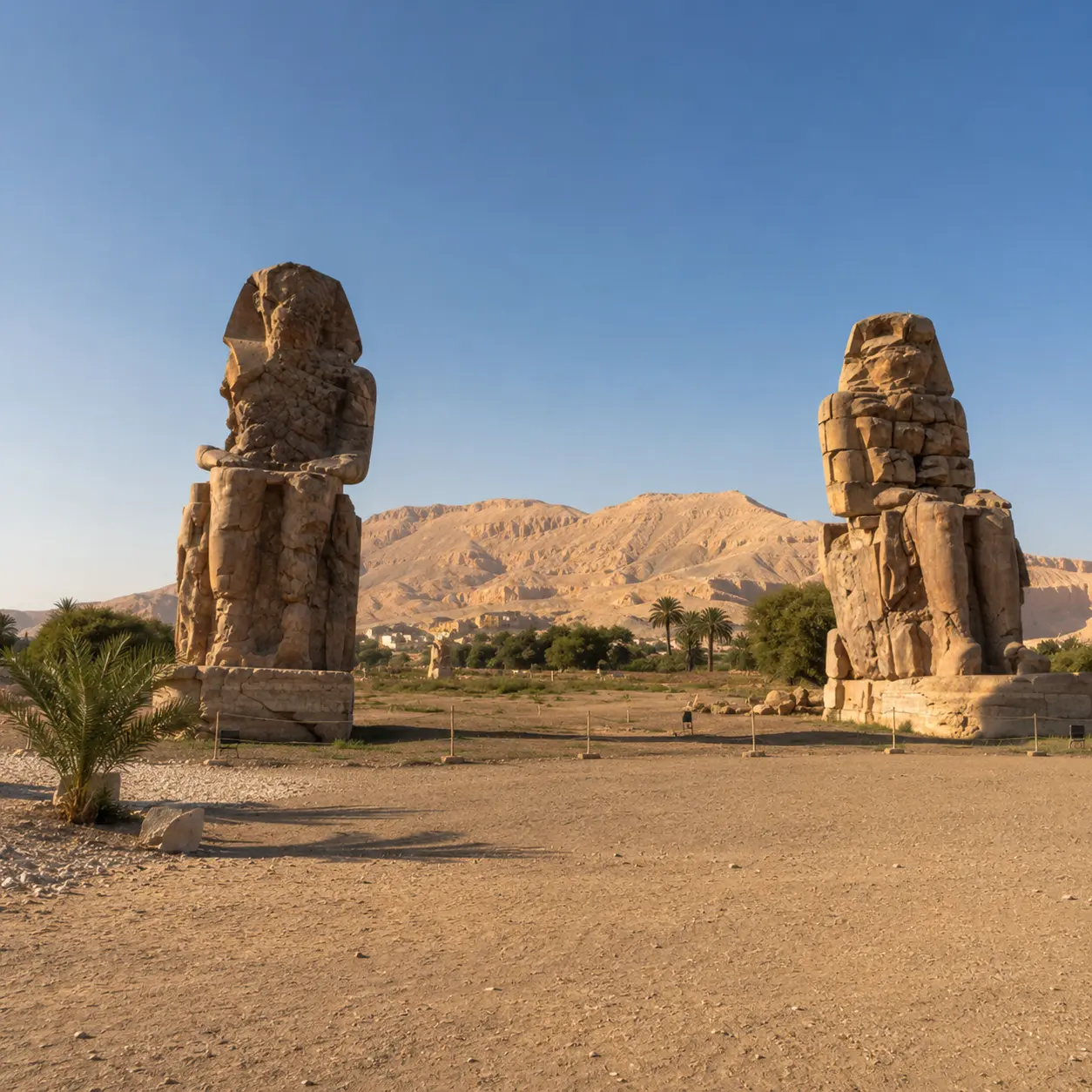
The Temple of Seti I works best as a short, thoughtful stop rather than the centerpiece of a day. Pair it with nearby West Bank sites if you enjoy ancient history beyond the headline monuments. A strong route might include the Colossi area, a royal tomb visit, one large mortuary temple, and then Seti I for contrast.
If you have limited time, visit after one of the major temples, not before. Seeing the larger monuments first gives you the visual vocabulary to appreciate what survives here. If you have already explored the noble tombs of Thebes, the Temple of Seti I adds another layer to the same landscape: royal ritual on one side, elite private devotion on the other.
Practical visiting advice
Go with realistic expectations. This is a specialist stop: atmospheric, historically important, and rewarding for travelers who like ancient sites with space to breathe. It is less suited to anyone hoping for bright colors, a perfectly preserved roofed temple, or a long list of photo-famous scenes.
Bring water, sun protection, and small cash for local practicalities where appropriate. The West Bank can feel deceptively mild in the morning, then become harsh by late morning, especially around exposed stone. Footing is generally simple, but surfaces can be uneven, dusty, and hot.
For Ozes travellers, the best way to see the Temple of Seti I is with a guide who can connect it to the wider Theban necropolis instead of treating it as an isolated ruin. The value here is not just the stonework; it is understanding how this modest-looking site fits into the political and religious landscape of New Kingdom Luxor.
Temple of Seti I is one of Luxor's most-visited history & ancient wonders spots. Plan around Early morning is the most comfortable time to visit the Temple of Seti I, especially in warmer months. Late afternoon can also be pleasant for softer light, but always confirm current closing arrangements locally before planning a late visit. Avoid the strongest midday sun if you are combining several West Bank sites. for the best conditions, and budget roughly Plan around 30 to 45 minutes for a standard visit, or up to an hour if you are touring with a guide and want to understand the historical details. It is easy to combine with other Luxor West Bank sites in the same half-day. on-site. Visit early to avoid crowds and heat.

Why travelers visit
Visit the Temple of Seti I to see a quieter side of ancient Luxor: a New Kingdom royal memorial temple with space, atmosphere, and strong links to the wider Theban necropolis. It is especially rewarding for travellers who want more than the standard West Bank photo stops.
Highlights
 A quieter West Bank temple linked to Pharaoh Seti I and the 19th Dynasty
- Atmospheric views between ancient stonework, fields, and the Theban cliffs
- Useful context for understanding New Kingdom mortuary temples in Luxor
- A good add-on for travellers who have already seen the major West Bank monuments
- Surviving reliefs and architectural remains that reward slow looking with a knowledgeable guide
Photos
1 photos
Know before you go
Practical tips to make the most of your visit.

What to wear
Wear light, breathable clothing, a hat, sunglasses, and comfortable closed or sturdy walking shoes. The ground can be dusty and uneven, and shade is limited. In cooler months, bring a light layer for early starts.

Is a guide recommended?
Ask your guide to explain the difference between a mortuary temple and a tomb before you enter. That single distinction helps the whole West Bank make more sense: the king’s burial was hidden in the cliffs, while temples like Seti I’s served ritual and remembrance in the living landscape below.

Common mistakes to avoid
- Confusing the Luxor Temple of Seti I with the much larger Seti I temple at Abydos.
- Expecting a fully preserved monument; this is a partially ruined mortuary temple best appreciated with historical context.
- Visiting without a guide or background reading, then leaving before understanding how it fits into the West Bank landscape.
- Trying to pack too many West Bank sites into one hot day without breaks, water, or shade.
- Skipping sun protection because the visit seems short; the site is exposed and the stone reflects heat.
Frequently asked questions
Where is the Temple of Seti I in Luxor?
The Temple of Seti I in Luxor is on the West Bank at Qurna, within the ancient Theban necropolis area. It is separate from the better-known Temple of Seti I at Abydos, which is in a different part of Egypt.
Is the Temple of Seti I worth visiting?
Yes, the Temple of Seti I is worth visiting if you enjoy quieter ancient sites and want deeper context for Luxor’s West Bank. It is not as complete or dramatic as the major temples, but it adds an important New Kingdom layer to the area.
How long do you need at the Temple of Seti I?
Most travellers spend about 30 to 45 minutes at the Temple of Seti I. Allow longer if you are with an Egyptologist guide or want to study the surviving reliefs and layout carefully.
Is this the same Temple of Seti I as Abydos?
No, the Temple of Seti I in Luxor is not the same as the Temple of Seti I at Abydos. The Luxor site is a West Bank mortuary temple, while Abydos has a larger and more famous temple complex connected to Osiris worship.
Do I need a guide for the Temple of Seti I?
You do not strictly need a guide, but a guide makes the visit much more meaningful. The temple is fragmentary, so explanation helps you understand the layout, royal cult, and connection to nearby Theban monuments.
What should I visit with the Temple of Seti I?
The Temple of Seti I pairs well with the Valley of the Kings, the Ramesseum, Habu Temple, the Colossi of Memnon, and the Tombs of the Nobles. It works best as part of a focused West Bank history route rather than a standalone trip.
Visitor info
- Opening hours
- The Temple of Seti I generally follows daytime antiquities-site visiting patterns on Luxor’s West Bank. Hours can vary by season, security arrangements, and local authority decisions, so confirm the current schedule before travelling, especially if you plan to visit late in the day.
- Recommended visit
- Plan around 30 to 45 minutes for a standard visit, or up to an hour if you are touring with a guide and want to understand the historical details. It is easy to combine with other Luxor West Bank sites in the same half-day.
- Best time to visit
- Early morning is the most comfortable time to visit the Temple of Seti I, especially in warmer months. Late afternoon can also be pleasant for softer light, but always confirm current closing arrangements locally before planning a late visit. Avoid the strongest midday sun if you are combining several West Bank sites.
- Category
- History & Ancient Wonders
How to get there
Open in Google Maps
Reviews

Find guided Egypt tours that include this attraction.